The key facts
- Maria Zakharova stated that Russia awaits clarifications from Kazakhstan on the QazETA system
- From November 1, 2026, the system will be introduced in stages, becoming mandatory from July 1, 2027
- The Kazakh side has established free issuance of the electronic permit
Moscow awaits explanations on QazETA
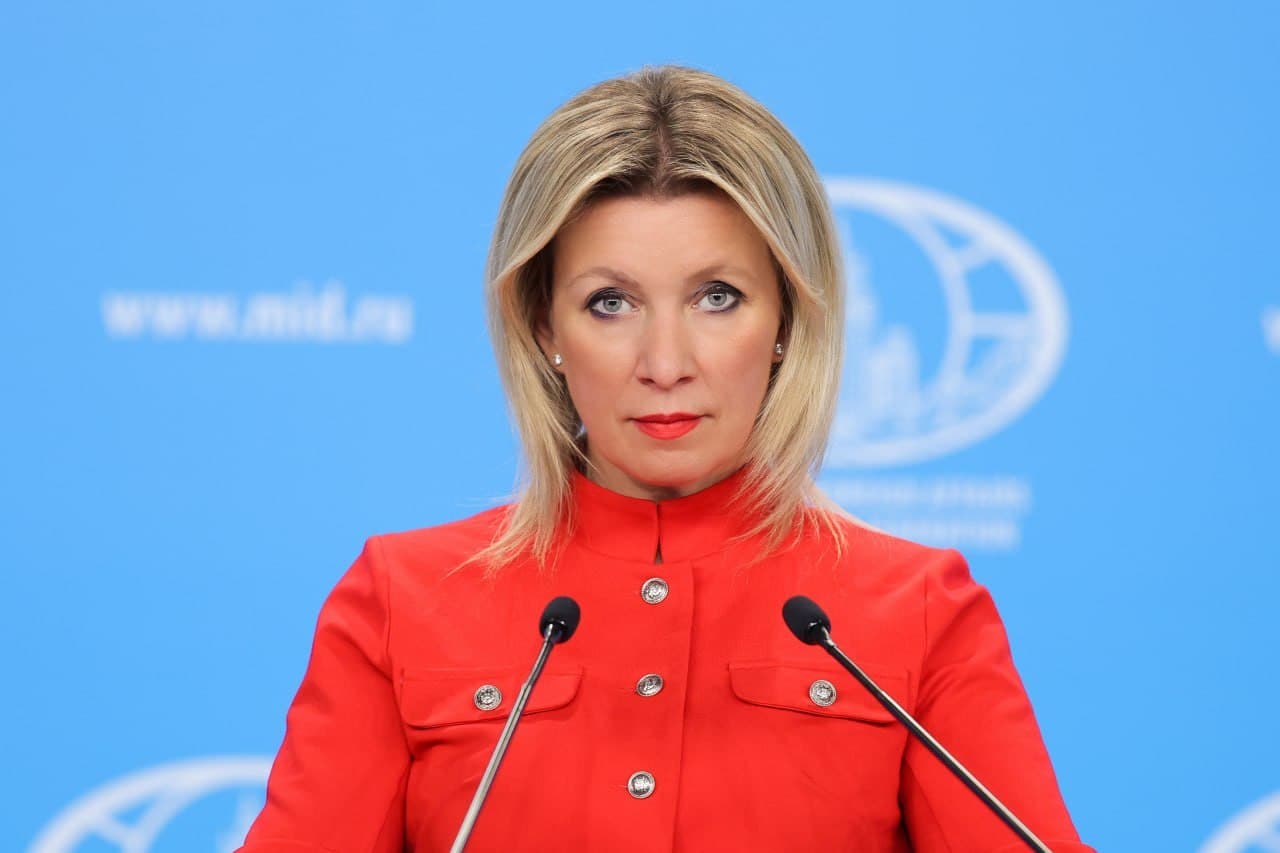
Russia expects to receive additional clarifications from Kazakhstan on the new rules for issuing electronic entry permits. This was announced at a briefing by the official spokesperson of the Russian Foreign Ministry, Maria Zakharova. According to her, the changes also affect citizens of the Eurasian Economic Union states, so it is important for Moscow to understand how the new procedure will be applied in light of existing international agreements. At the same time, the diplomat stressed that Russia does not contest Astana's right to independently regulate migration issues: «We, of course, treat with respect the sovereign right of the republic to improve its national migration legislation».
The essence of the new rules
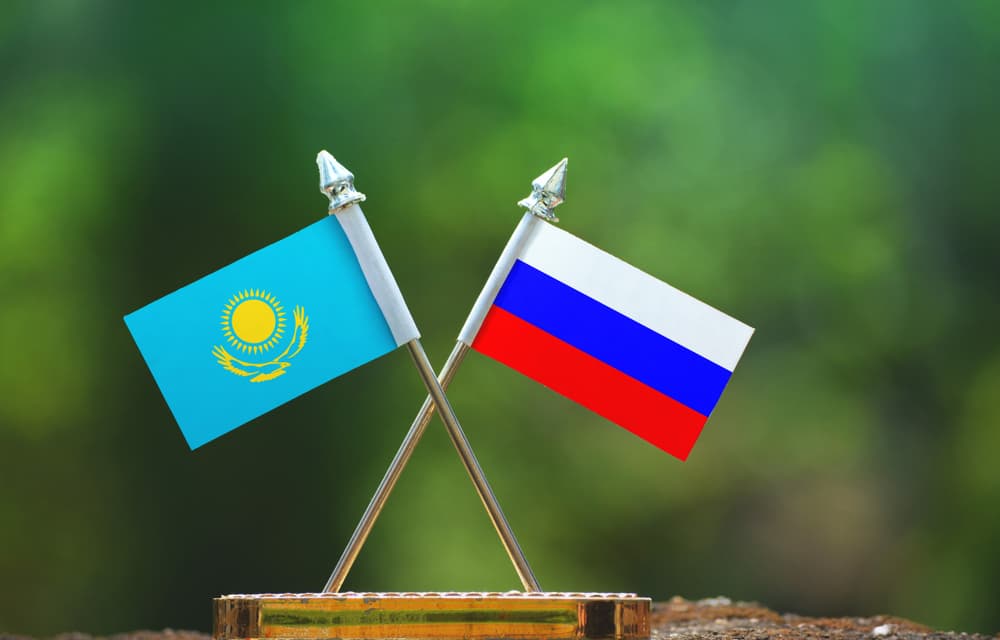
The reason for the comment was a resolution of the government of Kazakhstan on the introduction of the QazETA electronic permit system. The document applies to foreigners entitled to visa-free entry, including Russians and citizens of other EAEU countries. According to Life.ru, from November 1, 2026, the system will begin to be introduced in stages at individual border checkpoints, but the permit will become mandatory only from July 1, 2027. Before that date, its absence in itself will not be grounds for denial of entry.
Background of the issue
Questions about the new procedure had arisen earlier. In early October, the director of the third department of the CIS countries of the Russian Foreign Ministry, Alexander Sternik, reported the absence of official notifications about a possible introduction of a fee for the electronic permit. Subsequently, the Kazakh side established free issuance of the document in the approved rules. Against the backdrop of discussions on migration changes, Moscow also emphasized the importance of bilateral relations: at the end of September, the press secretary of the Russian president, Dmitry Peskov, called the cooperation between Russia and Kazakhstan a strategic partnership designed for the long term.