The key facts
- UK inflation accelerated to 3.5% in September 2026 from 3.1% in August — the highest since October 2025, above the forecast of 3.4% (ONS).
- Government borrowing in September amounted to £24.5 billion — above expectations; public debt exceeded £3 trillion for the first time, but fell to 94% of GDP.
- Markets almost fully price in a Bank of England rate hike on 5 November, which would be the first increase since 2023.
Inflation accelerated faster than forecast
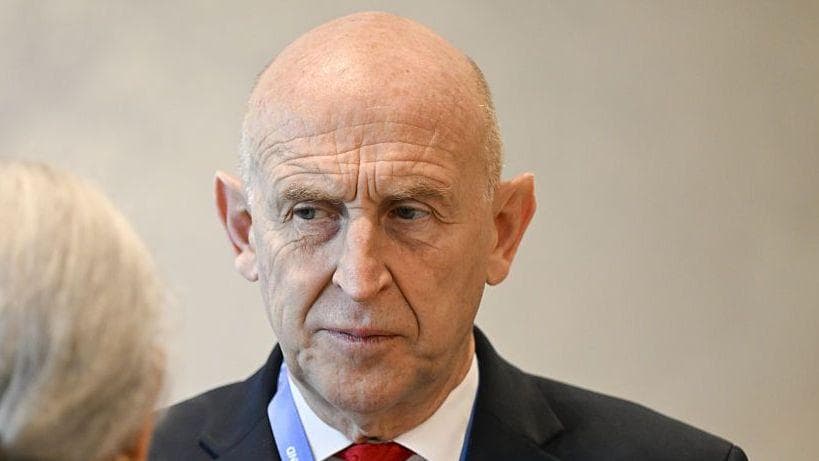
Annual consumer price inflation in the UK rose to 3.5% in September 2026 from 3.1% in August, the Office for National Statistics (ONS) reported. This is the highest level in almost a year — since October 2025 — and above the analysts' consensus forecast of 3.4%. The data was published a week before the budget, which Chancellor John Healey will present on 28 October; it is the first budget of Prime Minister Andy Burnham's administration.
Fuel — the main driver of growth
The largest contribution to the acceleration of inflation came from transport, primarily motor fuel: transport prices rose 6.6% year-on-year, up from 4.6% a month earlier. Petrol in September rose by 8.2 pence per litre to 169.5 pence, the highest since August 2022; diesel reached 192.5 pence per litre, a high since July 2022. Motor fuel prices overall rose 29.8% over the reporting period. ONS chief economist Grant Fitzner also noted rising prices for air tickets, video games and live events, as well as continued growth in the cost of raw materials and factory output due to more expensive oil. According to the ONS, inflation in the services sector accelerated to 3.7%, housing and utility costs rose 5.3%, communications rose 5.8%, while food inflation remained at 1.3%. Core CPI inflation rose to 2.8% from 2.6%; monthly price growth was 0.4%.
Causes: conflicts and oil disruptions
According to the BBC, rising fuel prices are linked to the wars in the Middle East and Ukraine: Iran's effective closure of the Strait of Hormuz after attacks by the US and Israel disrupted a key oil supply route, while Russian and Ukrainian strikes on each other's infrastructure limited global oil refining capacity. Euronews links the jump in petrol and diesel prices to the war between the US and Iran. Healey said: 'We know that rising prices due to conflicts in the Middle East and Europe are hitting Britain and countries around the world.' He added that the IMF last week praised the government for 'fiscal discipline' and announced approval for additional gas extraction at the Jackdaw field in the North Sea. According to him, the budget on 28 October will 'maintain this momentum', following fiscal rules and delivering 'growth in every postcode, giving businesses and families breathing room'.
Borrowing and debt are growing
According to separate ONS data, public sector net borrowing in September amounted to £24.5 billion — £1.8 billion more than a year earlier and above market expectations (around £24 billion, per AFP). The ONS explained that spending, including debt interest payments, grew faster than revenue, partly due to inflation. For April–September 2026, borrowing reached £97.8 billion (3.1% of GDP) — slightly below last year's level, but £6 billion more than the Office for Budget Responsibility's forecast. Net public debt at the end of September exceeded £3 trillion for the first time, according to a preliminary estimate, although its share of GDP fell to 94% from 94.7% a year earlier. The yield on ten-year government bonds at the end of September was just below 5.4% after a 19-year high at the start of the month; the bond sell-off raised borrowing costs for the US, France, Germany and the UK.
Reaction and rate expectations
Markets almost fully price in a Bank of England rate hike at the 5 November meeting — this could be the first increase since 2023; the current rate is 3.75% with an inflation target of 2%. Danny Hewson of AJ Bell put the probability of a November hike at almost 100% and more than 50% for a second one before the end of the year, noting that the October energy price cap rose slightly and households are bracing for an even bigger increase early next year. Richard Flax of Moneyfarm questioned whether higher rates could curb inflation without additional pressure on the economy. The Conservatives said rising inflation and borrowing show that Labour has 'lost control of the economy'; shadow chancellor Andrew Griffith called on Healey to reduce the deficit and cut 'regulatory burden and net-zero spending'. Ruth Gregory of Capital Economics called the borrowing data 'a grim picture' and expects a cautious budget with minimal net effect on the economy, deferring the toughest fiscal decisions to next year. Richard Carter of Quilter Cheviot noted that the debt figures illustrate the 'difficult circle' the government is trying to 'square', pursuing ambitious spending amid high borrowing costs.