The key facts
- The tunnel in Fanar turned out to be 5 m deep and 8 m long, with no weapons or gold; it is believed it may have been a stash used by drug dealers
- A series of real incidents — the seizure of half a ton of explosives in Dahr el-Baidar and clashes in Beirut's southern suburbs — heightened the alarm
- According to sources, the US is pressuring the authorities: Secretary of State Marco Rubio urged President Aoun not to return the explosives to Hezbollah
False Alarm Around the Tunnel
The discovery of a tunnel in the Fanar district northeast of Beirut immediately raised fears that it was linked to Hezbollah. Theories circulated online: some claimed the group was building military infrastructure in the Christian area of northern Metn, others said the tunnel had been dug by treasure hunters. The Lebanese army established that the tunnel goes 5 meters deep and 8 meters horizontally, with no weapons or gold inside — only digging tools. According to the current version, it may have been a stash used by drug dealers, although no drugs were found. A source in the security services described the tunnel as 'very primitive' and narrow: 'It is not for weapons. Maybe for drugs, but definitely not related to ammunition or weapons.'
A Series of Incidents Amid the Standoff
The incident became part of a string of events raising tension in a divided Lebanon, where Hezbollah is resisting government pressure to disarm under a stalled plan to end Israeli strikes and the occupation of the southern border area. Earlier, MTV, a TV channel sharply opposed to Hezbollah, reported that Shiite businessman Rida Jaffal had purchased dozens of plots in northern Metn between 2008 and 2014 allegedly to create a 'Shiite crescent.' Jaffal turned out to have no ties to the group and denied any 'political or military project' and connections with sanctioned individuals.
Real Grounds for Concern
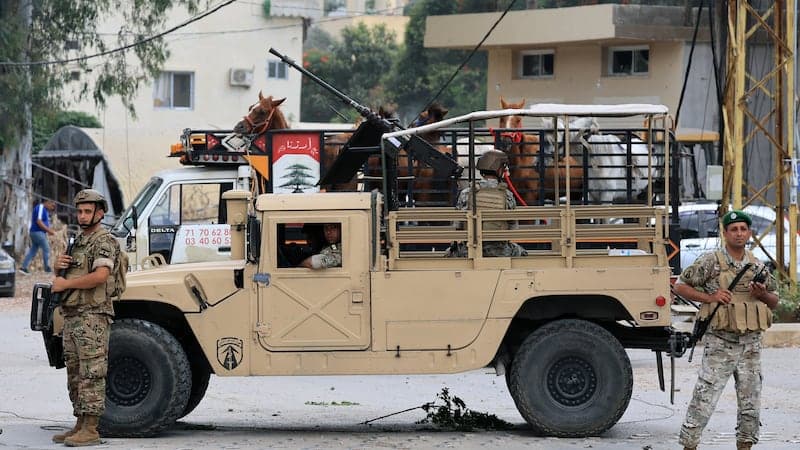
Other events were quite real. Half a ton of explosives, which Hezbollah claims was intended against Israel, was seized in Dahr el-Baidar from a vehicle heading to Beirut. Two men have been detained in the case, and Prime Minister Nawaf Salam ordered the investigation to be expanded. In the Gallery Semaan area on the edge of Beirut's southern suburbs, police who arrived on the orders of the prosecutor's office to search a warehouse of expired medicines were surrounded by 'a group of young men' — commonly understood to be members or supporters of Hezbollah — and the army had to be brought in to defuse the situation. MP Sami Gemayel called the tunnel, the explosives and the clashes 'dangerous indicators' requiring 'the final termination of the existence of the military organization'