The key facts
- Montenegro is ending the visa-free regime with Russia from November 1, 2026; until October 31 inclusive, visa-free travel for up to 30 days remains in place.
- State Duma deputy Andrei Klimov linked the risk of socio-economic problems for Montenegro to this decision.
- In 2025, Russians accounted for 16.4% of all overnight stays by foreign tourists in the country.
Statement by a State Duma deputy
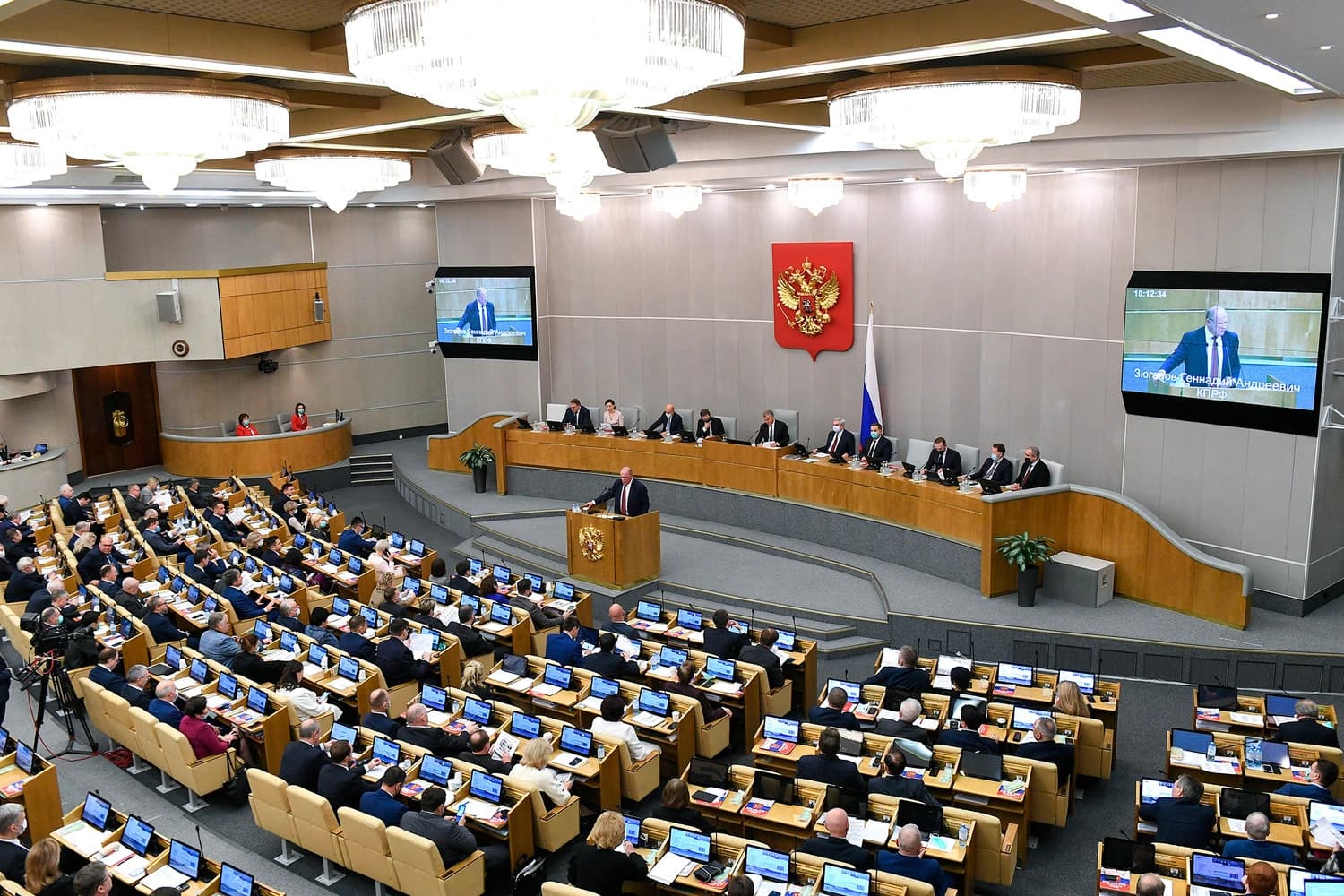
First Deputy Chairman of the State Duma Committee on International Affairs Andrei Klimov said that Montenegro risks facing large-scale socio-economic problems after introducing visas for Russians. According to the newspaper “Abzats,” he accused the leadership of the Balkan country of making decisions contrary to the interests of its own population. “This is fraught with new problems for Montenegro, and it will not be us creating these difficulties for them — they are creating them for themselves. People are destroying their own socio-economic base with their own hands,” Klimov said. In his assessment, continuing the current policy could lead the country to an internal crisis, for which its own leadership would bear responsibility. The deputy also called on the residents of Montenegro to think about the consequences of the government’s decisions.
The essence of the new visa regime
The reason for the statement was Podgorica’s decision to end the visa-free regime with Russia from November 1, 2026. Until October 31 inclusive, Russian citizens will still be able to come to Montenegro without a visa for up to 30 days, Life.ru reports. Moreover, according to the same outlet, for entry after that date Russians will also be able to use a Schengen visa — the ambassador explained the new entry rules.
Podgorica’s motives and the economic context
The change in entry rules is linked to Montenegro’s intention to bring its visa policy into line with European Union requirements: the republic is negotiating accession to the union and expects to complete the process in the coming years. Russian tourism, meanwhile, remains a notable part of the country’s economy — according to Montenegrin statistics for 2025, Russian tourists accounted for 16.4% of all overnight stays by foreign guests. The scale of the future economic consequences of the visa restrictions is still difficult to assess: it will depend, among other things, on the new entry conditions and changes in the tourist flow. The editorial team notes that Klimov’s position is the assessment of a Russian parliamentarian, not a confirmed forecast: the sources themselves point out that the real consequences depend on parameters of the new regime that have not yet been determined.
Why this matters
The decision directly affects Russian tourists and everyone planning trips to Montenegro after October 31, 2026: visa-free travel for up to 30 days is ending, and travelers will need a visa, including a Schengen one. For Montenegro itself, the issue has a measurable economic dimension — according to 2025 statistics, Russians accounted for 16.4% of foreign visitors’ overnight stays, so changes in the tourist flow will be a key factor determining the real consequences of abolishing the visa-free regime.