The key facts
- Serbia ranks 104th out of 180 in the RSF press freedom index — last among the 40 countries of the EU-Balkans region
- Kesic's show was pulled from Nova for 'commercial reasons'; he moved to YouTube (over 700,000 subscribers)
- An SNS rally was broadcast live by 46 TV channels, according to CRTA
Elections and the media context
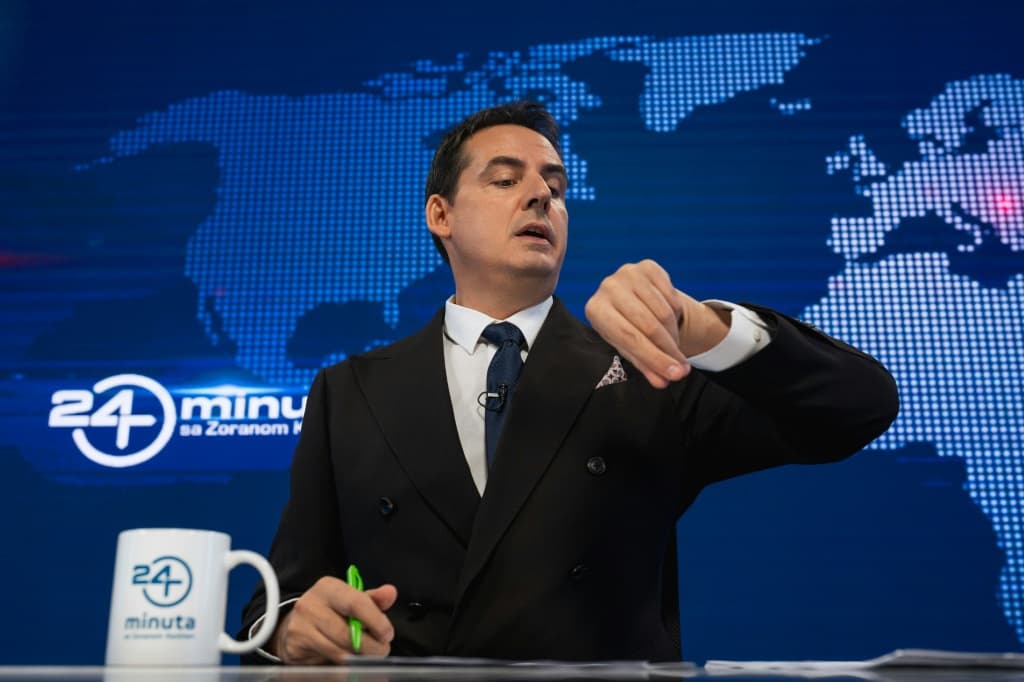
A few weeks before Serbia's snap elections scheduled for October 25, the host of a popular evening show, Zoran Kesic, told viewers: 'These elections will decide whether our children stay here.' In the elections, the dominant Serbian Progressive Party (SNS) is competing with a student movement that, over nearly two years of anti-government protests, has grown into a political force. The key figure of power remains former president Aleksandar Vucic — the SNS candidate for prime minister.
Kesic's departure from television
Kesic's channel took his show off the air, citing 'commercial reasons.' 'It seems absurd that one of Serbia's most popular and most-watched shows has no place on television,' he told AFP, having moved to YouTube, where his channel has more than 700,000 subscribers. After the channel's decision, hundreds of people protested in Belgrade. 'The authorities want to silence every critical voice,' the journalist believes. Pavol Salai, a representative of Reporters Without Borders (RSF), commented: 'Dictators hate humor.'
Imbalance in coverage
According to the monitoring group CRTA, a recent SNS rally was broadcast live by 46 TV channels in a country with a population of just 6.6 million. In-depth coverage of student gatherings — among the largest since the fall of Slobodan Milosevic in 2000 — is limited to three broadcasters. Loyalists of the authorities attack opponents through outlets such as Informer, published in print, online and on television.
RSF assessments and Nova's change of ownership
'I think we are entering the final phase of media capture in Serbia,' Salai said. In its May press freedom index, RSF ranked Serbia 104th out of 180 countries — last among the 40 countries of the EU-Balkans zone, citing political pressure, threats and lawsuits. Nova's parent company, Adria News Network, which manages major independent media in the region, was bought by the Portuguese investment group Alpac Capital. Newsrooms raised concerns about editorial independence, including at N1, one of the most-watched critical broadcasters. Management says the outlets will maintain professional standards, but journalists from Nova, N1 and other Adria outlets protested 'for the survival of the media.' 'A change of newsroom leadership weeks before elections does not meet European standards,' Salai warned. In response to boycott threats, the Nova portal offered the newsroom a choice: work under new editors or accept a severance package.
A journalist in exile
Salai noted that Serbia is the only country in RSF's region from which journalists have been forced to flee because of their work. Military journalist Aleksandar Radic left Serbia in June after a report on the alleged use of a sonic weapon against protesters at a rally in Belgrade in March 2025. The demonstration — one of the largest in the country in decades — turned into panic after a mysterious noise; the authorities deny accusations of using a 'sound cannon.' Radic analyzed a device photographed on a police vehicle which, he said, resembled the American acoustic device LRAD; his analysis spread widely in Serbian and international media. 'From that moment I felt the system's growing hostility,' he told AFP from an undisclosed location abroad. Police questioned him, searched his home and office, and then accused him of plotting against the constitutional order. Radic said he fled fearing imprisonment for journalism and would be able to return safely only if a 'change of power' occurs.
Concerns for colleagues
For Kesic, the switch to direct audience support was easier thanks to years of fame, but he worries about other journalists who may face pressure: 'Where are they to go?'