The key facts
- Yair Golan: Netanyahu is 'completely devoid of legitimacy' to start a war before the October 27 elections
- Financial Times: Trump rejected a plan to strike Iran, fearing consequences ahead of the November 3 midterm elections
- Channel 12 poll: Eisenkot — 45% versus 33% for Netanyahu; no bloc, according to polls, is guaranteed a majority
Golan's statement
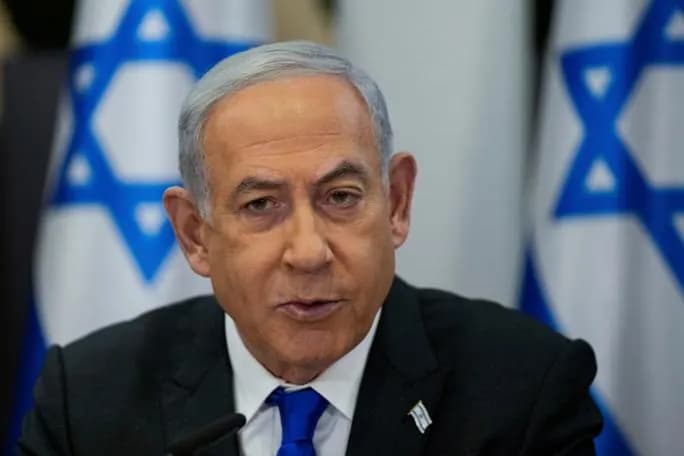
Yair Golan, leader of the opposition Democrats party and former deputy chief of staff of the Israel Defense Forces, said on Wednesday on X that Prime Minister Benjamin Netanyahu is 'completely devoid of legitimacy' to drag Israel into a new military campaign on the eve of the October 27 elections, 'driven by personal and political calculations.' He called Netanyahu 'a sick and weak leader clinging to power by force, willing to risk Israel's security for his own salvation' and urged Chief of Staff Eyal Zamir and the leadership of the security services to resist military action 'under the pretext of security needs for personal interests,' and called on voters to come to the elections to 'save Israel from this dangerous government.'
Context: plan to strike Iran
Golan's statement followed the publication by Financial Times, according to which US President Donald Trump rejected Netanyahu's plan to strike Iran's infrastructure and nuclear facilities; the campaign, according to the outlet, was to begin on October 10. As FT reports, Trump opposes any escalation ahead of the November 3 midterm congressional elections, fearing consequences for the Republicans.
Eisenkot's criticism
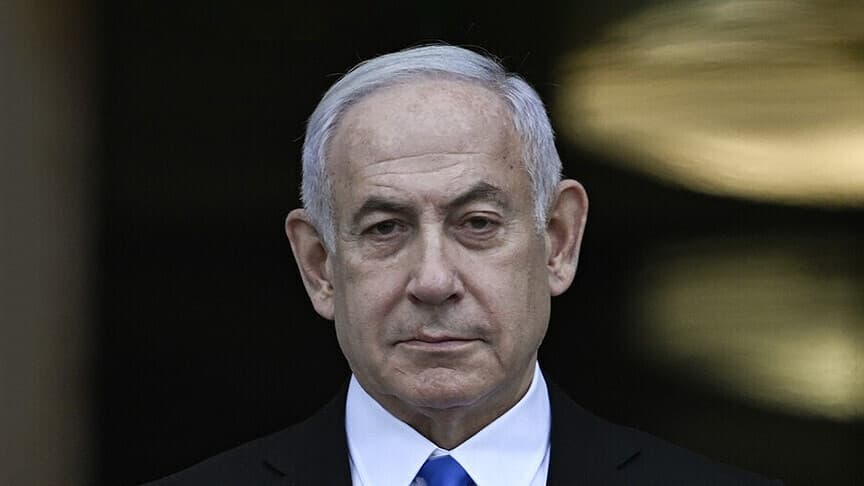
Gadi Eisenkot, head of the opposition Yashar party, according to the state broadcaster KAN, called Netanyahu's claim about destroying Iranian nuclear bombs 'an outright lie': 'Iran never had nuclear bombs.' According to him, he 'does not see a direct and immediate threat requiring action.' Eisenkot is considered the opposition figure with the best chances of challenging Netanyahu.
Polls and elections
A Channel 12 poll published on Monday showed that 45% of respondents consider Eisenkot more suitable for the post of prime minister versus 33% for Netanyahu — the gap has grown from 10 to 12 points. At the same time, according to polls, neither Netanyahu's bloc nor the opposition is likely to win a parliamentary majority, which raises the likelihood of repeat elections if one of the sides does not agree to a coalition with Israel's Palestinian parties. The elections are considered decisive for Netanyahu's political future; he has led the government since late 2022 and is on trial on charges of bribery, fraud and breach of trust; in the event of a guilty verdict, imprisonment is possible. He is also wanted by the International Criminal Court on suspicion of war crimes in the Gaza Strip since 2023.
Military context and voting
Anadolu recalls that since October 2023 Israel has been waging a war in Gaza, which the outlet calls genocidal, and also fought against Lebanon and Iran, carried out airstrikes on Yemen and Qatar, and conducted near-daily ground raids in Syria. Separately, the Israel Defense Forces said on Wednesday on X that servicemen, including those in the occupied territories of Gaza, Lebanon and Syria, have begun early voting in the elections.