The key facts
- Ginger coat color is determined by the X chromosome: one variant of the gene is enough for a tomcat, while a female cat needs two
- A mutation in the regulatory region of the ARHGAP36 gene makes the gene work many times more actively in pigment cells
- Tortoiseshell tomcats are born rarely, have an extra X chromosome and are, as a rule, infertile
Why there are more ginger tomcats
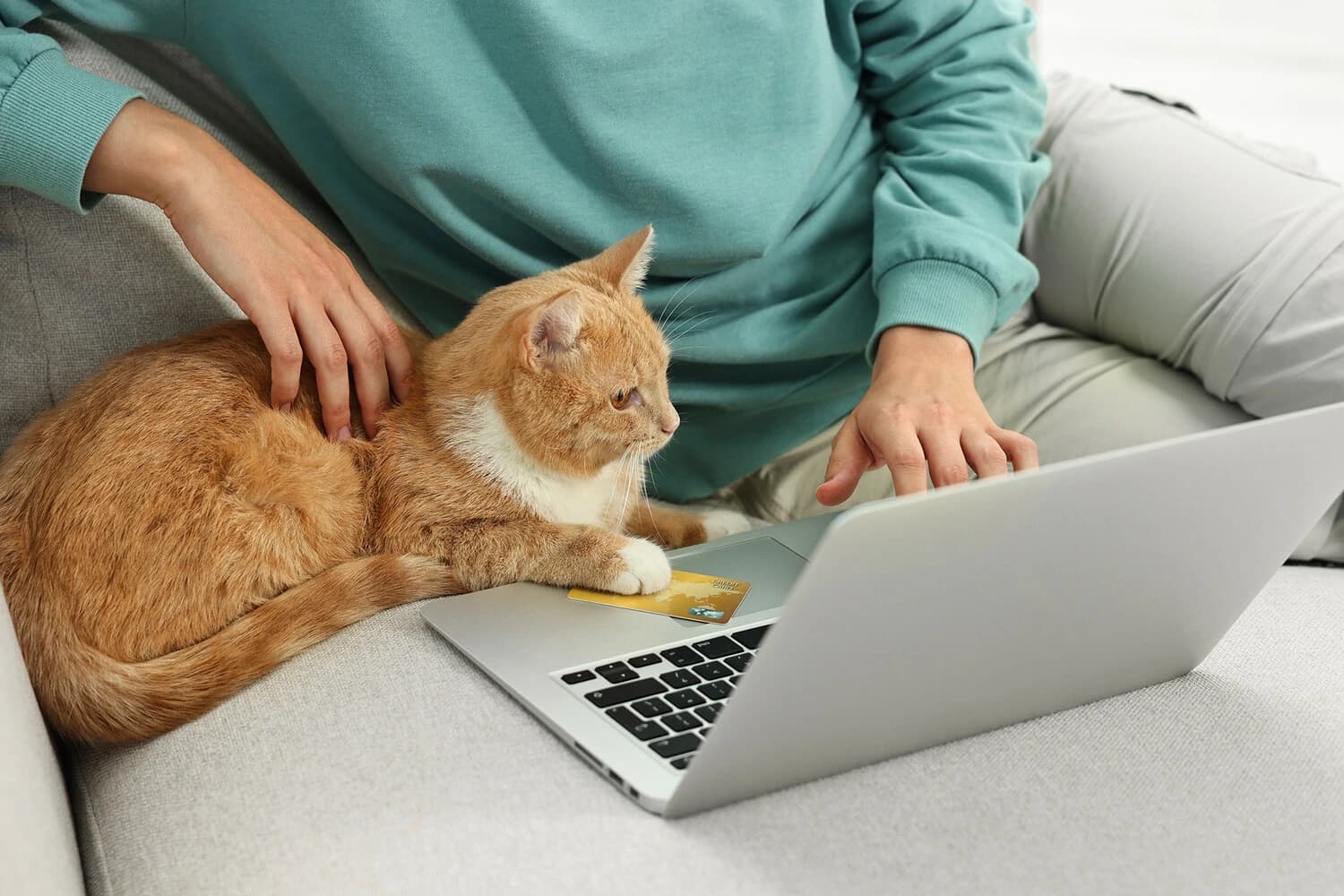
Ginger fur color in cats depends on the X chromosome. A tomcat receives his single X chromosome from his mother, and if it carries the needed gene variant, the kitten will be ginger. For a female cat to be fully ginger, this variant must come to her from both her mother and her father. Yuri Muretov, head of the small companion animal clinic at SPbGUVM, told Gazeta.Ru about this.
Tortoiseshell coloring and the extra chromosome
If the 'ginger' variant in a female cat is present on only one of her two X chromosomes, the coloring turns out tortoiseshell. At an early stage of embryonic development, one of the X chromosomes is randomly switched off in each cell: in some areas of the skin the ginger pigment is produced, in others — the dark one, and this is how the spotted pattern forms. White patches in calico cats are produced by a different gene. According to Muretov, owners regularly bring in 'tortoiseshell tomcats', but almost always this is a mistake in determining the kitten's sex. Tortoiseshell tomcats are nevertheless born — they have an extra X chromosome, and such animals are, as a rule, infertile. Cream coloring — a diluted version of ginger — is inherited by the same principle, and cream tomcats are also more common than cream female cats.
The ARHGAP36 gene and stripes
Ginger coloring is linked to the ARHGAP36 gene. The mutation affects not the region where the protein is assembled, but the region that regulates the gene's operation: a small DNA fragment is dropped from it, and in pigment cells the gene begins to work many times more actively. As a result, instead of dark pigment, the ginger-yellow one predominates. Ginger cats almost always have stripes — at least on the paws, tail or face — because the ginger coat gene overrides the action of the gene that makes the coat solid-colored in other cats.
'Freckles' in cats
With age, ginger, tortoiseshell and calico cats often develop dark spots resembling freckles on the nose, lips and eyelids. The expert noted that owners are often frightened, but in most cases this is a harmless feature of pigmentation. The cat should be shown to a veterinarian if the spot grows quickly, becomes raised, bleeds or ulcerates. Earlier, as the publication recalls, a veterinarian debunked the myth that shedding in cats and dogs starts because of the cold.