The key facts
- Russian shareholders of NIS signed an agreement to sell 56.15% of the company to Hungary's MOL
- Approvals are required from the antitrust authorities of Serbia and Bosnia and Herzegovina, as well as US OFAC clearance
- Serbia will increase its stake in NIS from about 30% to 35%
Signing of the agreement on the sale of the NIS stake
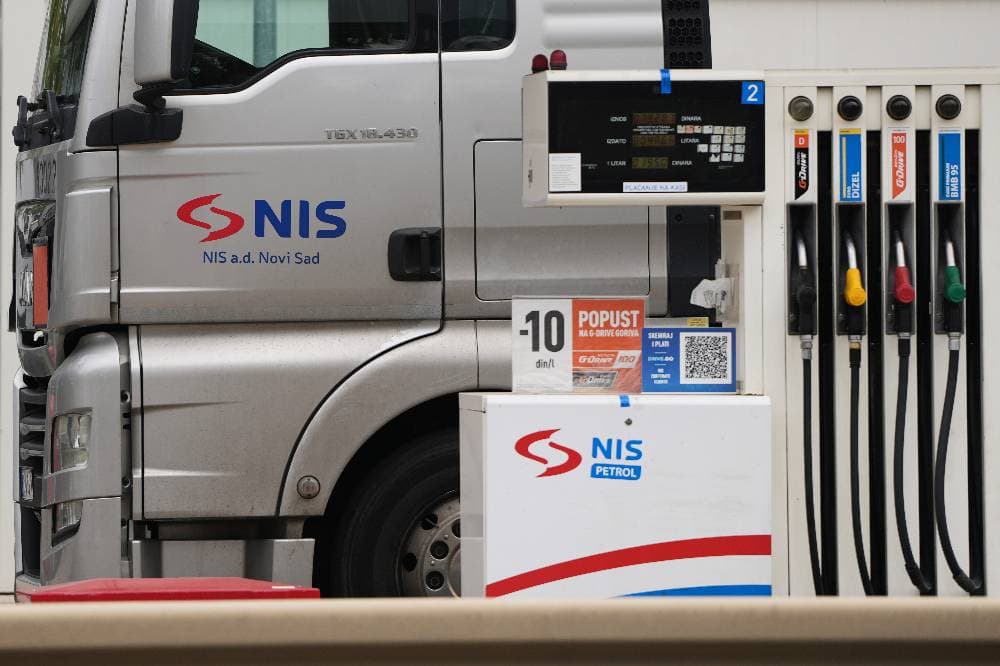
Russian shareholders of the Serbian oil company NIS have signed an agreement to sell a controlling stake to Hungary's MOL. This was announced by First Deputy Prime Minister of Serbia, Finance Minister Sinisa Mali in an interview with Bloomberg Adria. 'The agreement has been signed. As the state, we have concluded a shareholders' agreement with the Hungarian side. What remains is to obtain the consent of the antitrust commissions,' he said. The deal concerns the sale of 56.15% of NIS owned by Russian entities.
Required approvals
According to Mali, applications for approval of the deal should be submitted shortly to the antitrust authorities of Serbia and Bosnia and Herzegovina. After receiving the necessary approvals, the parties will be able to formally complete the transfer of shares. The final decision also depends on the United States, since NIS is under American sanctions: the US Treasury's Office of Foreign Assets Control (OFAC) must approve the transfer of the Russian stake to the new owner.
Serbia's stake increase and the sanctions context
Belgrade has agreed with the Hungarian side to increase its stake in the company from about 30% to 35%, which will allow Serbia to gain more influence over the management of the country's largest oil enterprise. At the end of September, Washington extended NIS's special license until October 30 inclusive — it allows the company to continue oil refining, purchase crude and carry out necessary financial operations. NIS owns Serbia's only oil refinery, located in Pancevo.
The previously discussed option of a buyout by Belgrade
Earlier, according to Life.ru, former Deputy Prime Minister of Serbia Alexander Vulin suggested that Belgrade itself could buy out the Russian stake in NIS. In his view, such an option would allow Serbia to retain control over the strategic enterprise without handing it over to Hungary or another foreign investor.