The key facts
- On October 20, 2026, the Sejm passed two abortion-relaxation bills: 217 votes in favor against 213, and 233 in favor against 203
- President Karol Nawrocki previously said he would not support the relaxation; overriding a veto requires three-fifths of the votes, which Tusk's coalition lacks
- Even if the laws take effect, abortion on demand up to 12 weeks will remain illegal — as in Malta, these are the strictest rules in the EU
What the Sejm passed
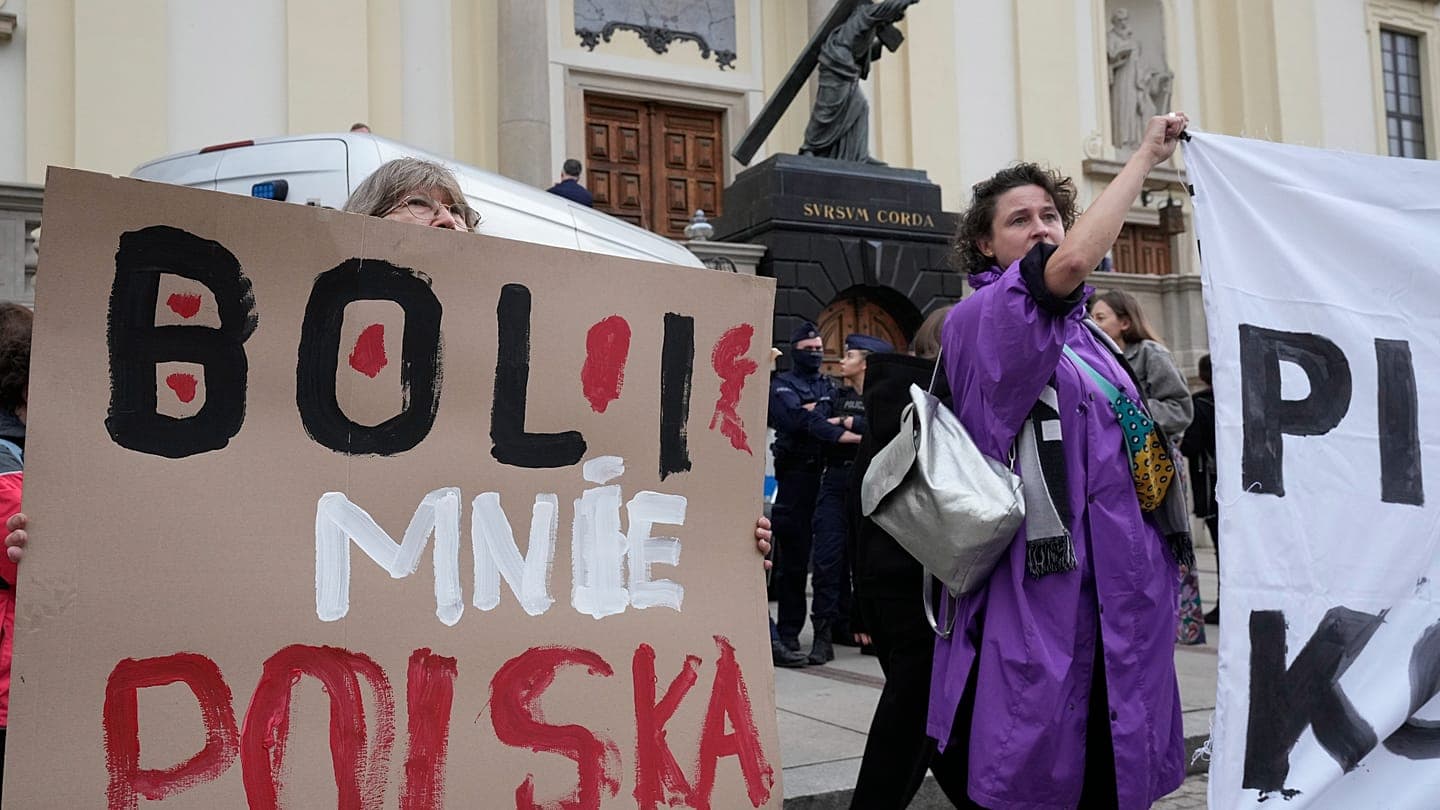
On Tuesday, October 20, the lower house of the Polish parliament — the Sejm — passed amendments to the Criminal Code softening some of the penalties for those who help women access pregnancy termination, as well as a separate bill restoring the possibility of abortion in cases of severe fetal developmental anomalies. The first bill was supported by 217 deputies, 213 voted against, and three abstained. It exempts doctors, nurses and midwives from criminal liability if the abortion resulted from a necessary medical intervention to protect the health or life of the pregnant woman. The second bill was approved with 233 votes in favor, 203 against and one abstention: it once again allows abortion in cases of severe and irreversible fetal defects or an incurable condition threatening its life, thereby overturning the consequences of the 2020 Constitutional Tribunal ruling that declared such abortions unconstitutional.
Context of the current legislation
Under the current law, anyone who terminates a pregnancy with the woman's consent risks up to three years' imprisonment; the same penalty threatens those who help perform an abortion or persuade someone to have one. Currently, abortion in Poland is permitted only if the pregnancy threatens the health or life of the woman or is the result of a crime, including rape or incest. The government's plenipotentiary for equality and deputy from the Left party, Katarzyna Kotula, wrote on X: 'It is time to stop punishing everyone who loves, experiences and respects our choice.'
The fate of the bills is unclear
The vote was a cautious step toward fulfilling the coalition promise made by Prime Minister Donald Tusk nearly three years ago to restore reproductive rights. However, the amendments do not introduce abortion on demand up to the 12th week of pregnancy — a promise of Tusk's Civic Coalition in the election campaign. The laws' entry into force is not guaranteed: President Karol Nawrocki, who has held the post since 2025, previously said he would not support the relaxation of restrictions. He follows the line of the opposition Law and Justice (PiS) party, which tightened the rules five years ago. Even if the Senate approves the bills, Nawrocki's signature will be required; overriding a veto requires a three-fifths majority in the Sejm, which the coalition does not have. A similar attempt in July 2024 failed due to a lack of votes.
Assessments and international criticism
Leah Hoctor, senior regional director for Europe at the Center for Reproductive Rights, called the changes 'an incremental step forward' and noted that this is the first movement in the Polish parliament in many years. According to her, the changes are so narrow that for most women needing a pregnancy termination, such help will remain illegal, and they will still have to travel abroad for it. Even if the laws take effect, Poland will remain one of the two EU countries — along with Malta — where abortion on demand in early pregnancy is not legal, which runs counter to most of Europe. 'Poland is an outlier in the European context,' Hoctor said, adding that globally Poland and the United States are two of only four countries that in the last 30 years have removed one of the grounds for legal abortion from legislation. The near-total ban is criticized by international human rights bodies: the European Court of Human Rights has issued several rulings against Poland in cases concerning obstacles to abortion access, and in 2024, following a three-year investigation, the UN Committee on the Elimination of Discrimination against Women concluded that Polish laws had led to serious and systematic violations of women's rights and called for comprehensive legal reform.