The key facts
- Poland cannot transfer Patriot missiles to Ukraine due to a lack of resources — Radosław Sikorski said
- According to him, the shortage of interceptors worsened after the US and Israeli attack on Iran in February
- Sikorski does not expect an agreement on frozen Russian assets before winter
Poland cannot share Patriot missiles
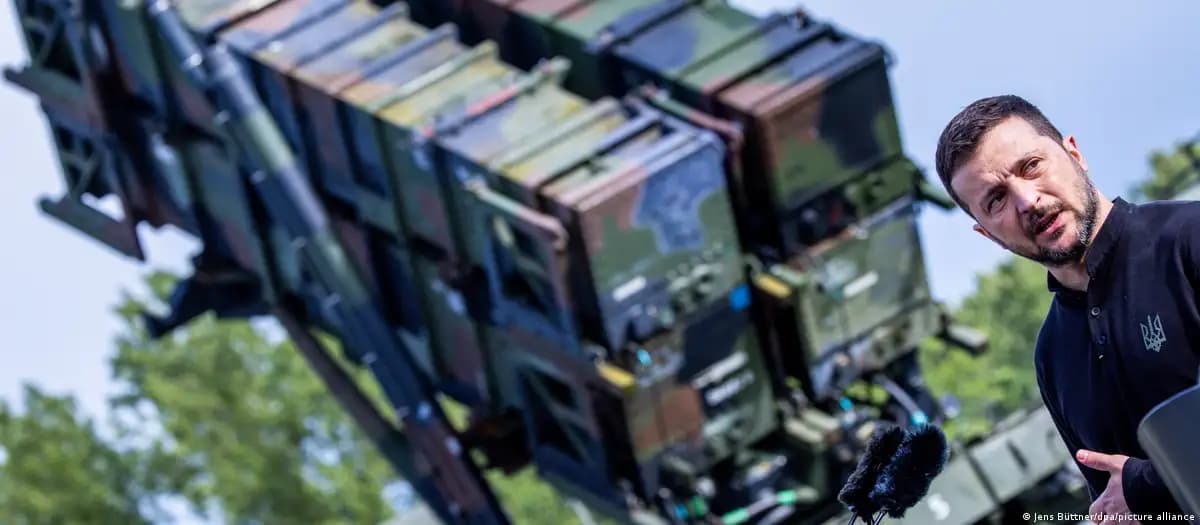
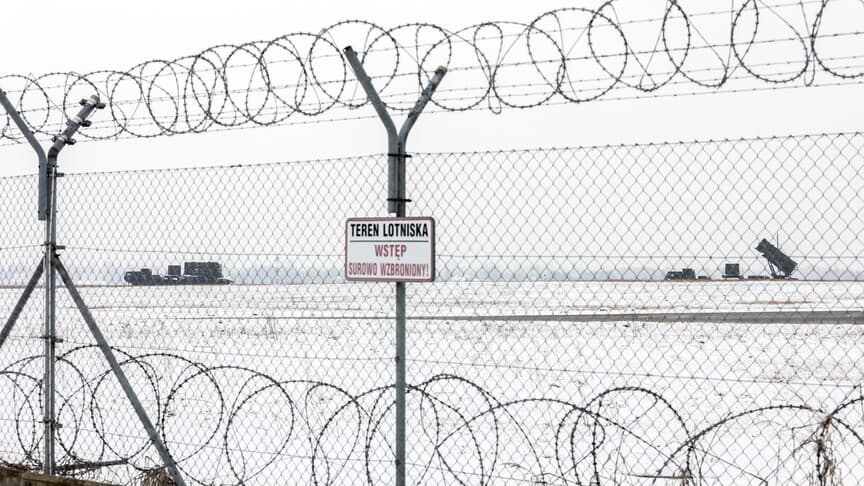
Polish Foreign Minister Radosław Sikorski said in an interview with the Polish agency PAP, published on Monday, that the country is unable to supply Ukraine with Patriot interceptor missiles due to a lack of resources. “There are NATO countries that still have such resources, but Poland is not one of them,” he said. Sikorski added that Poland supports Ukraine as much as it can, and on this issue it can only join calls on countries possessing Patriot missiles to share them with Ukraine.
Interceptor shortage and the situation at the front
Sikorski repeated that the shortage of interceptor missiles worsened after the US and Israel attacked Iran in February. In his assessment, Russia produces more missiles than Ukraine and its allies have “effectors” to neutralize them.
Frozen assets and position on the war
The head of Polish diplomacy said that the topic of using frozen Russian assets for Ukraine would “sooner or later” return to the agenda, despite ongoing aid transfers, but he does not expect an agreement before winter. Sikorski also expressed support for US President Donald Trump's efforts to end the war in Ukraine, but called for using different methods. “We in Poland believe, perhaps regardless of political lines, that a more effective method would be to increase pressure on the aggressor, and not on the victim of aggression,” Anadolu quoted him as saying.
Comment on the United Kingdom and the EU
Answering a question about British Prime Minister Andy Burnham's consideration of the possible return of the United Kingdom to the European Union, Sikorski called it “politically and intellectually important.” According to him, the British were misled during the referendum campaign — both regarding how the EU works and regarding the country's future relations with the union. He noted that 10 years later it became clear that Britain did not benefit from Brexit, and that “de facto membership is the best form of relations with the EU, since you have a veto right, influence on regulation, rather than simply the role of a recipient of regulations.”