The key facts
- In July–September 2026, the number of attempts to hack corporate accounts in Russia grew 2.5-fold — DLBI data, cited by Izvestia
- Attackers use stolen passwords, mass brute-forcing, and psychological pressure, including through contractors
- Garda WAF Technical Director Luka Safonov noted that distributed login attempts help bypass protection systems
Growth in attacks on corporate accounts
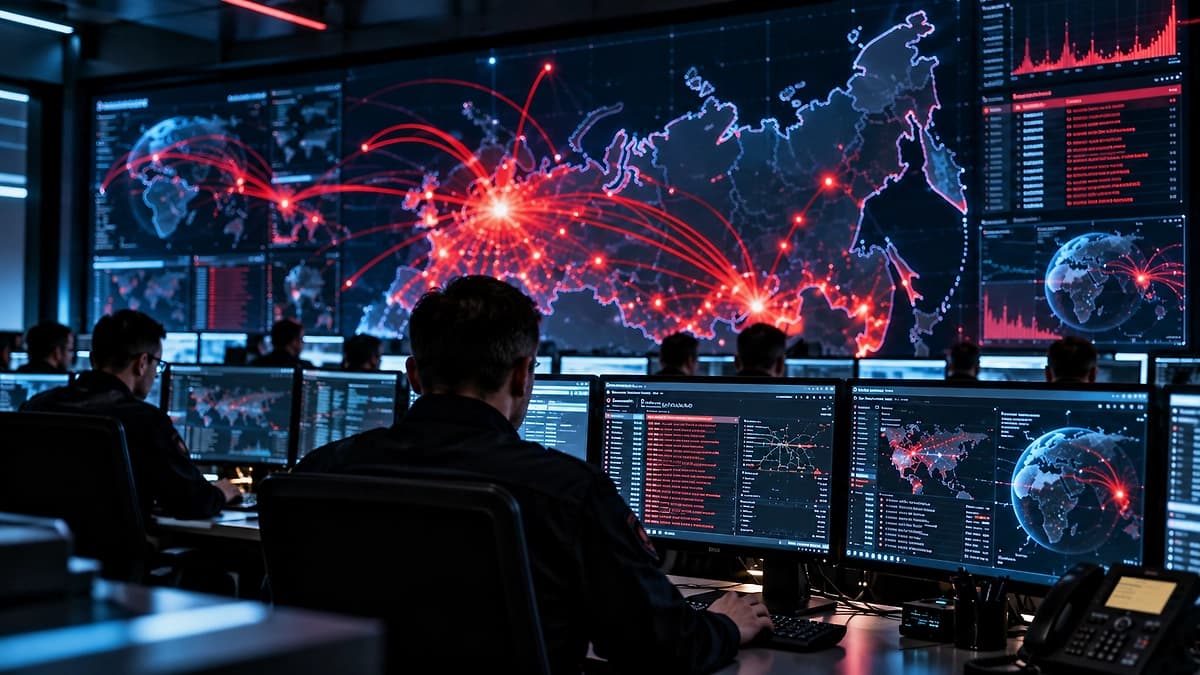
Russian companies have faced a sharp increase in attempts to hack corporate accounts. According to DLBI service data cited by Izvestia with reference to information security specialists, in July–September 2026 the number of such attempts was 2.5 times higher than in the previous three months.
Attackers' methods
One common way to gain access to work correspondence remains the reuse of stolen passwords: attackers collect information from previous leaks, compile lists of possible combinations, and test them on other accounts belonging to the same user. A method of mass-checking several common passwords across a large number of accounts is also used. Garda WAF Technical Director Luka Safonov explained that this approach helps bypass some protection systems: each account receives only a small number of login attempts, so security programs do not always recognize what is happening as password brute-forcing.
Psychological pressure and the risk through contractors
In addition to technical methods, criminals use psychological pressure: they impersonate employees' managers or colleagues, threaten to disclose information, and try to gain access to corporate systems through contractors. Specialists also note the risk of work email compromise through third-party organizations interacting with the company — in such cases, attackers use existing business relationships to obtain confidential information.
Context
The growth in the number of attacks shows that corporate accounts remain one of the main targets of cybercriminals. In specialists' opinion, to reduce risks, companies need to control access to work systems, use unique passwords, and additional login verification methods. It was previously reported that hackers hacked the email of the German party Alternative for Germany and published a data set of presumably 281 gigabytes, stealing more than 421 thousand emails, including documents, bank statements, information about party members, and personal data of individual politicians.