The key facts
- The environmental permit of the Metallurgical Plant in Rybnitsa expired on October 20, 2026; Chisinau did not renew it.
- Moldova's Customs Service does not process exports and imports requiring the expired document.
- A new integrated permit may take, according to Moldovan authorities' estimates, at least three to four months.
The plant lost its valid permit
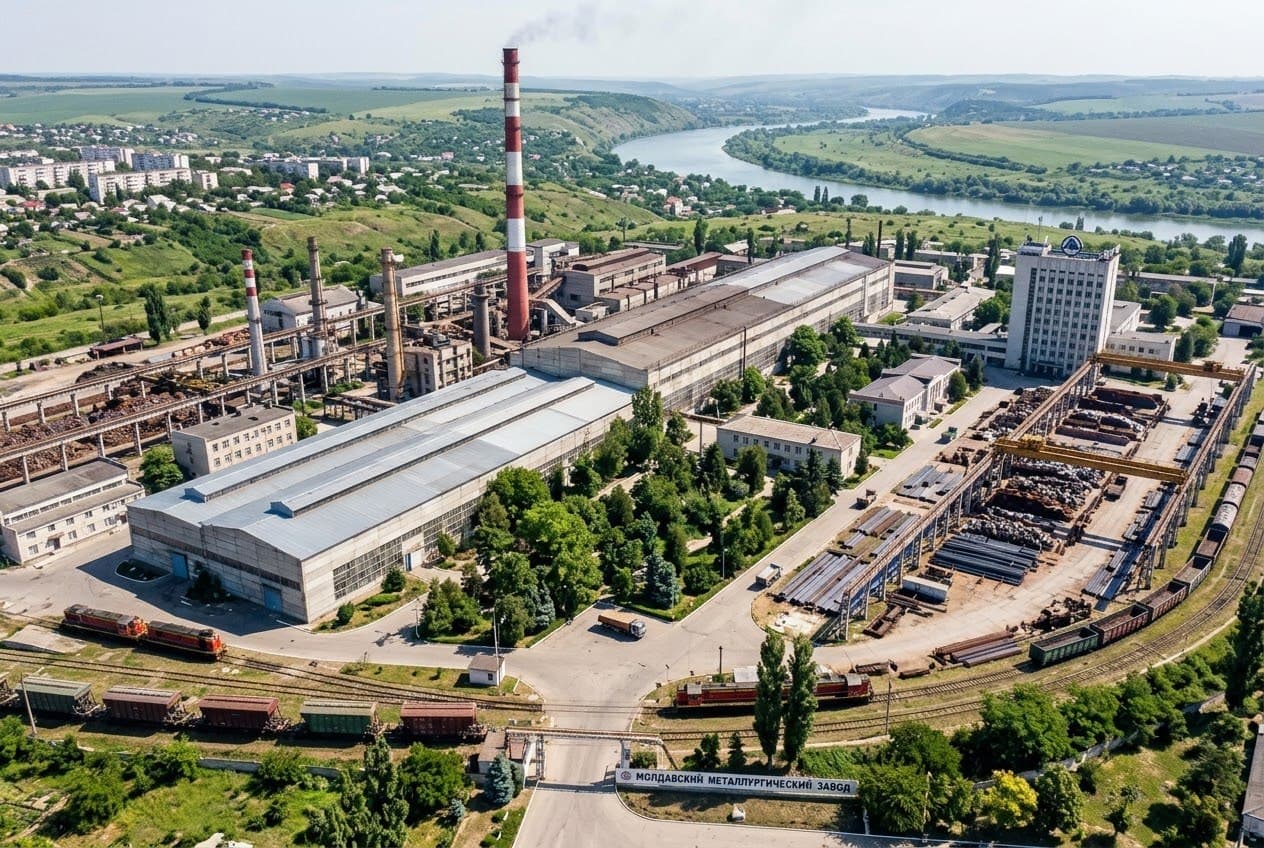
The Moldova Metallurgical Plant (MMZ) in Transnistrian Rybnitsa risks being left without imported raw materials and the ability to export scrap metal: Chisinau did not renew the enterprise's environmental permit, which expired on October 20. This was reported by the portal Ziarul de Gardă. 'After October 20, without a valid permit, they will be able neither to export nor to import,' explained Nicu Belitei, director of Moldova's Environmental Protection Agency.
The customs position and restrictions on operations
The restrictions were also confirmed by Moldova's Customs Service: the agency will not process operations for which the expired document is required. At the same time, the plant does not necessarily have to halt production completely — the enterprise may continue operating with its existing raw material stocks if it finds a way to sell its products without the prohibited operations.
The path to restoring foreign trade
To restore its foreign trade activity, the MMZ must obtain an integrated environmental permit. According to Belitei, the procedure requires an inspection of the enterprise. The previous inspection could not be completed due to problems with documentation, and a repeat inspection, as Moldovan officials claim, has not yet taken place. The plant still holds a permit for pollutant emissions valid until October 2029, but it is not sufficient for the import and export of scrap metal. Obtaining the new integrated document, according to Moldovan authorities' estimates, may take at least three to four months.
The context of tension around Transnistria's economy
Earlier, the Transnistrian authorities accused Chisinau of intensifying the economic blockade of the region. Transnistrian Foreign Minister Vitaly Ignatiev claimed that Moldova is putting pressure on the local economy, including through customs fees. In September, Transnistrian leader Vadim Krasnoselsky again raised the issue of additional taxes: according to him, the introduction of VAT for Transnistrian enterprises creates new difficulties, since no mechanism for refunding these payments is provided.