The key facts
- Uzbekistan and the US formed a package of 54 agreements and initiatives worth about $12 billion
- Mirziyoyev proposed the Plant and Play model, a direct investment fund, and a cooperation program through 2035
- Rubio called Central Asia a region where the US 'should have acted earlier and more actively'
Second Council Meeting in Samarkand
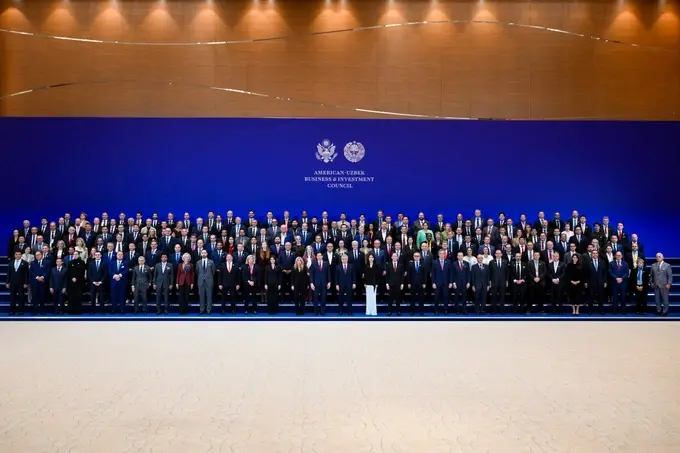
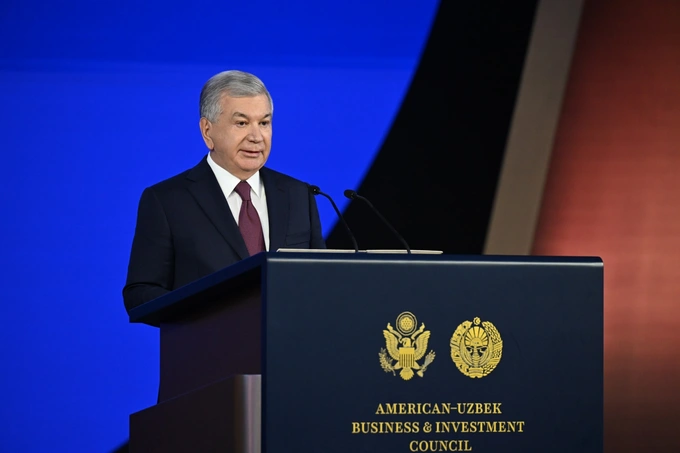
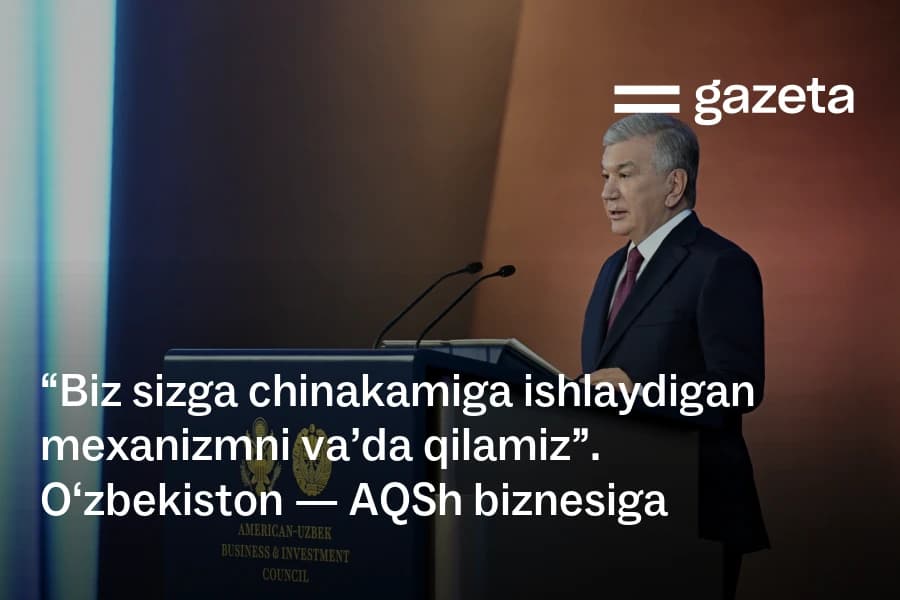
On October 19, the second meeting of the American-Uzbek Business and Investment Council was held in Samarkand. President of Uzbekistan Shavkat Mirziyoyev stated that relations between the two countries have reached the 'highest level' in the entire history of cooperation and emphasized the role of President Donald Trump in their development. According to him, the sides have built a solid political partnership, and now it is important to expand economic ties. Hundreds of companies with American capital operate in Uzbekistan, and Uzbek companies have begun investing in the US economy.
Promising Areas and a Package of Agreements
Mirziyoyev named critical minerals, energy, digital technologies, and artificial intelligence as promising areas. He stated that Uzbekistan is ready to become a reliable partner of the US in the field of minerals and wants to develop the entire production cycle — from developing deposits to producing high-tech products. In energy, he invited American companies to participate in modernizing the system, introduce new technologies, and develop renewable energy and storage systems. In digital technologies and AI, he sees opportunities for creating data centers and applying digital solutions in industry, agriculture, education, and public administration. The President announced that a package of 54 agreements and initiatives worth about $12 billion was formed within the framework of the meeting.
Three Directions and the Plant and Play Model
To implement the projects, Mirziyoyev proposed a program of action in three directions. The first is creating clear and predictable conditions for American investors. Uzbekistan intends to move to working with foreign investors on the Plant and Play principle: offering fully prepared projects with ready-made sites, connected infrastructure, and all permitting documents, completely eliminating bureaucracy. Uzbek entrepreneurs are ready to act as partners and share investment risks; a direct investment fund has been created for participation in such projects. The second direction is moving from individual projects to large-scale industrial partnership: joint clusters, research centers, and integrating enterprises into global value chains. The third is transforming the council into a 'strategic mechanism for long-term economic partnership' and developing a joint program of trade, investment, and technological cooperation through 2035.
Marco Rubio's Remarks
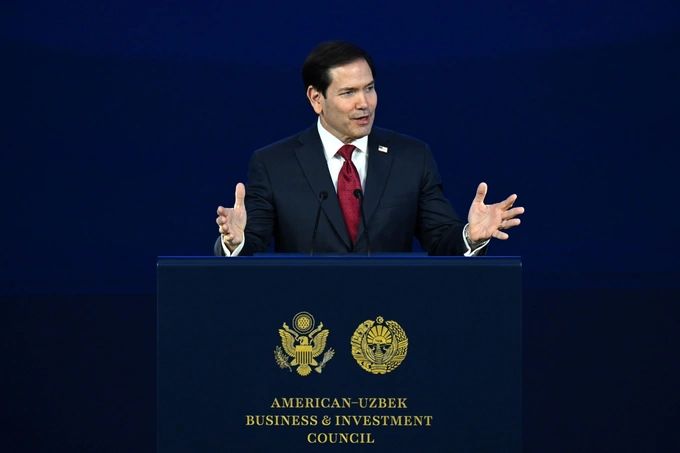
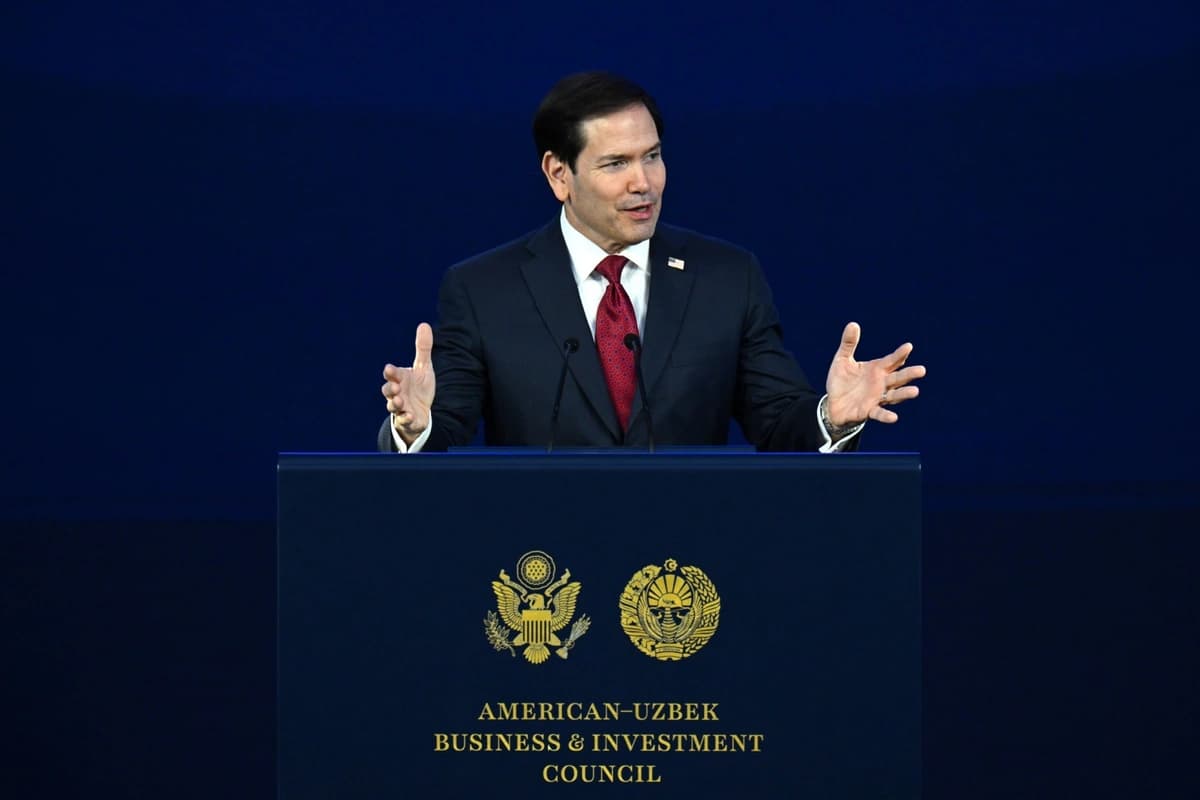
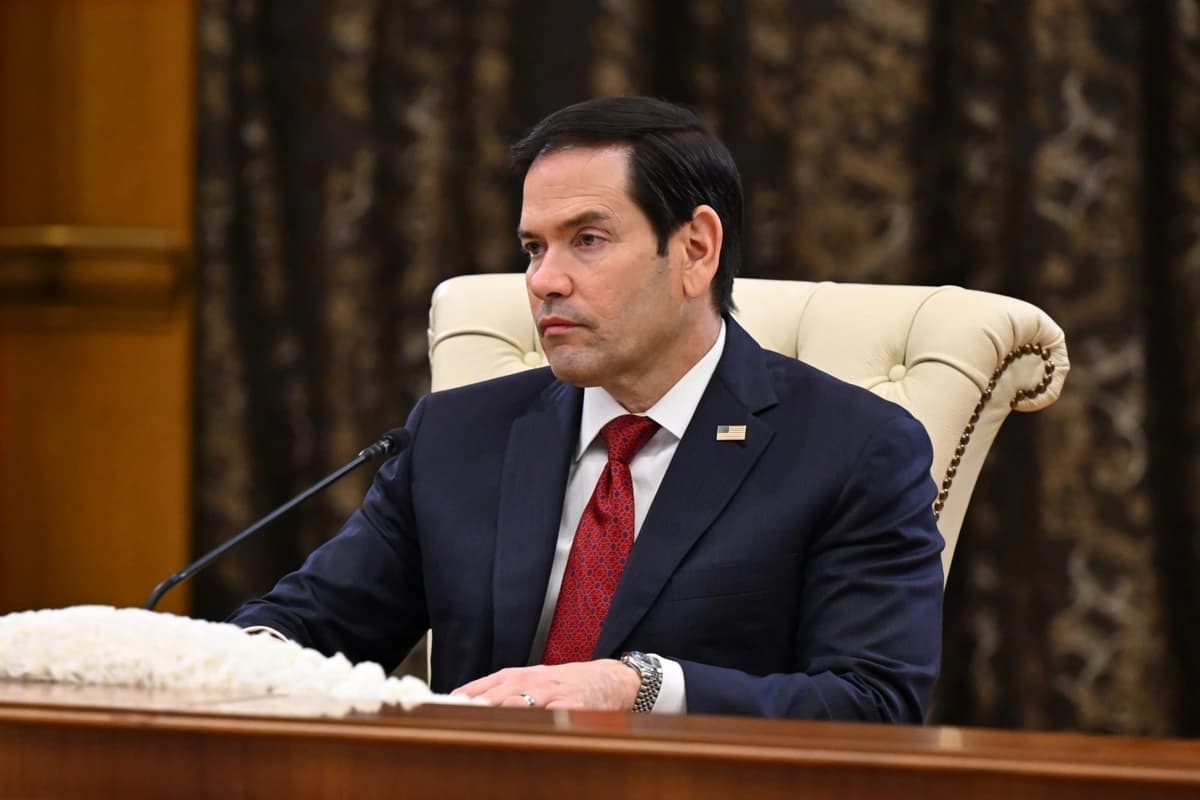
US Secretary of State Marco Rubio, who arrived in Samarkand with a large business delegation, stated that Washington regards relations with Central Asia as a priority and seeks to be a partner both for the region as a whole and for Uzbekistan in particular. According to him, the US long focused attention on 'problem regions,' missing new opportunities, and Central Asia is one of the regions where they 'should have started acting earlier and more actively.' He said that Trump made developing relations with Central Asia one of his priorities and called the invitation of several countries of the region, including Uzbekistan, as observers to the G20 summit in Miami at the end of the year an important step. Rubio linked the development of relations to reforms in Uzbekistan and emphasized that the partnership is built on a coincidence of national interests. He noted the region's transit potential as a 'bridge' between East and West, the growth of passenger and freight transportation, and among the factors of attractiveness he named the country's central location, working-age population, and natural resources. He named energy, robotics, fintech, mining, and agriculture as possible areas of cooperation.
Statements by Saida Mirziyoyeva
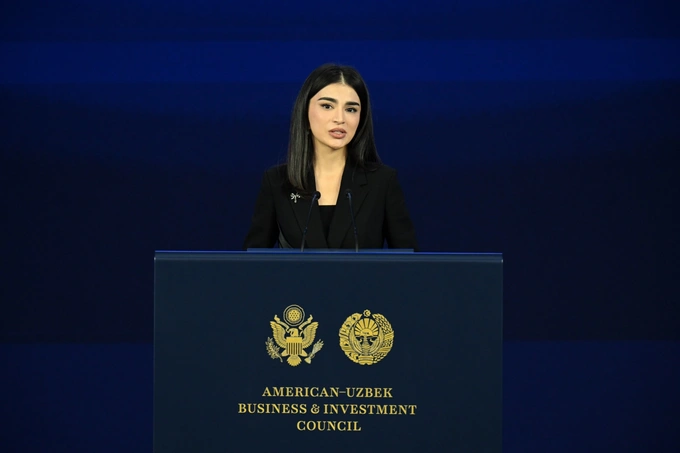
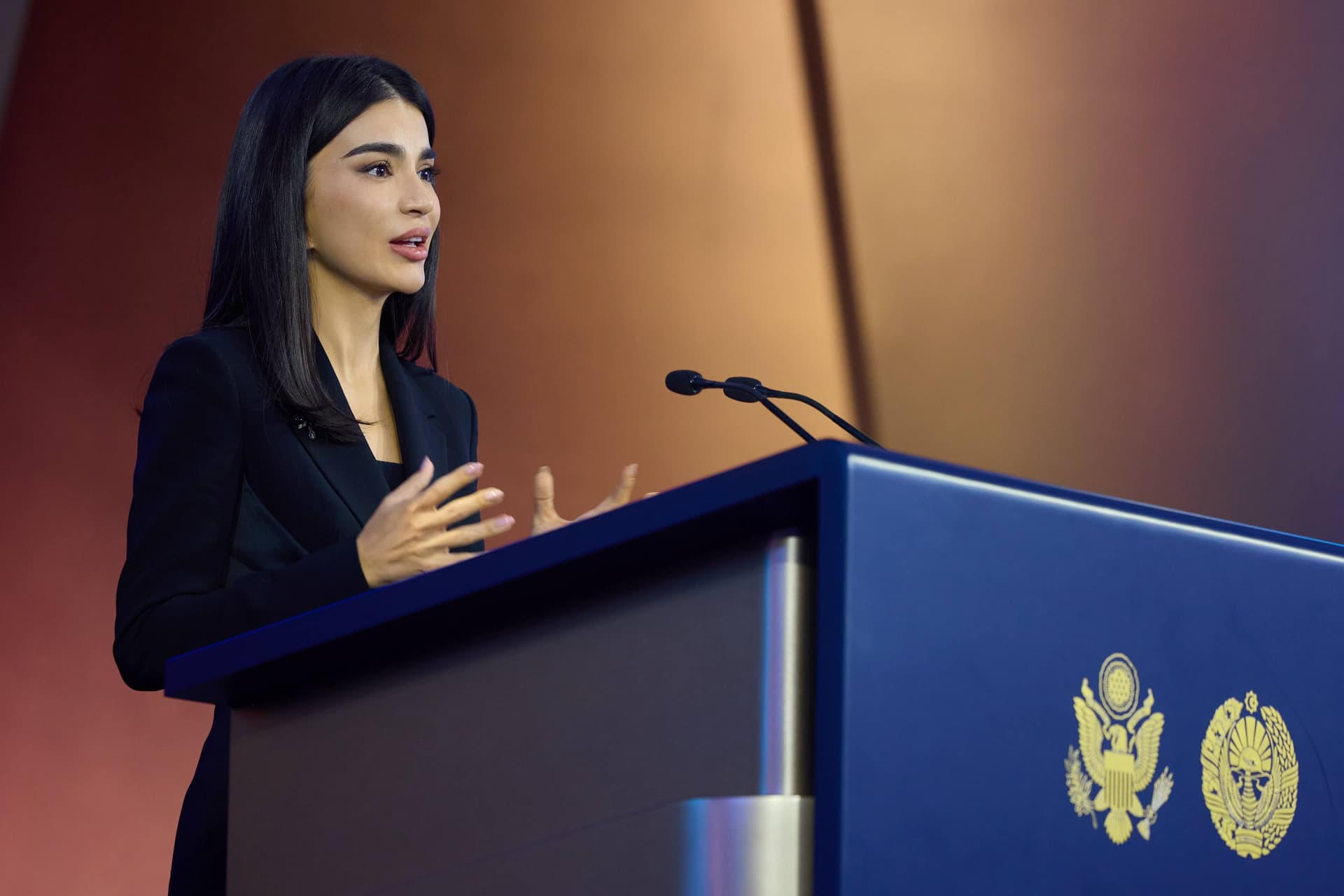
Head of the Presidential Administration of Uzbekistan Saida Mirziyoyeva, co-chair of the council together with US presidential special envoy Sergio Gor, promised businesses 'not just another committee, but a truly functioning mechanism.' She recalled that in June, representatives of nearly 200 American companies visited Tashkent — a record — and four months later another 100 companies arrived. She stated that each company will have a specific contact, and any issue raised will reach the co-chairs. According to her, after the revision of the rules, trade is developing in both directions: Uzbek investments create jobs in America, and purchases of American products keep American enterprises busy. She also supported the repeal of the Jackson-Vanik amendment, which the Secretary of State called a 'relic of the Cold War,' stating that the council will be ready to work 'the very next morning' after its repeal. In conclusion, she called on businesses to move from discussing potential to concrete action.