The key facts
- Libya's House of Representatives unanimously approved the 2019 maritime agreement with Turkey, reversing its earlier rejection.
- The decision was supported by institutions and politicians from both the eastern and western camps of the country.
- The agreement on delimiting maritime jurisdictions in the Mediterranean Sea was signed in November 2019.
Parliament Approves Agreement
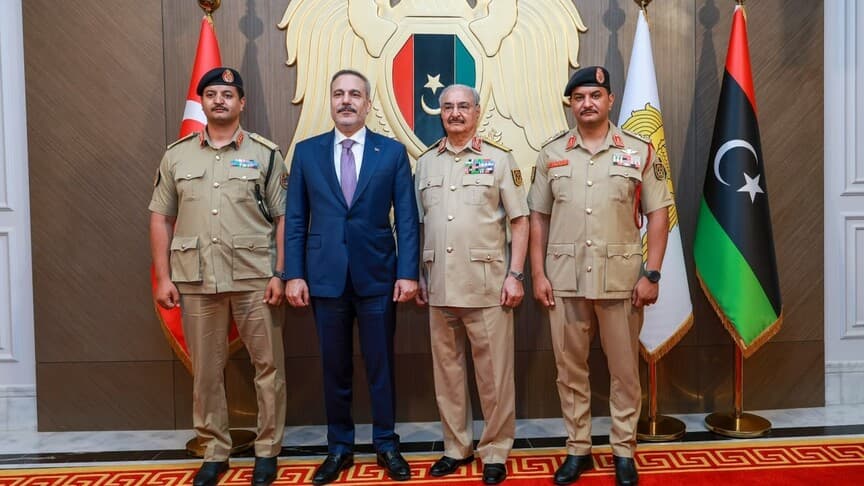
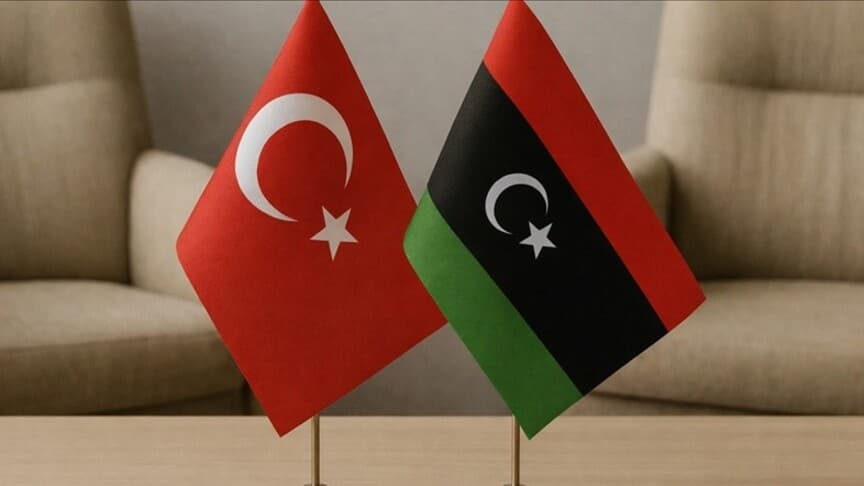
Libya's eastern House of Representatives on Tuesday unanimously voted to approve the maritime agreement on the delimitation of jurisdictions with Turkey, signed in November 2019. With this vote, the parliament reversed its earlier rejection of the treaty, which defines the boundaries of the two countries' maritime jurisdictional zones in the Mediterranean Sea.
Support from the Western Camp
The Ministry of Foreign Affairs of the Tripoli-based Government of National Unity called the decision a positive step in relations with Turkey that would strengthen bilateral cooperation, serve mutual interests, and contribute to stability and regional cooperation in the Mediterranean. The High Council of State also welcomed the vote, describing it as a step toward a unified national position on the country's sovereign rights. The Council called for completing the necessary legal procedures and strengthening coordination between Libyan institutions to protect maritime rights and expand cooperation with Turkey, noting that agreement among institutions on sovereignty issues could help overcome the political divide and strengthen the country's regional weight.
Reactions from Politicians
Vice President of Libya's Presidential Council Musa Al-Koni said that the approval of the agreement would help protect the country's maritime rights and advance its interests in the Mediterranean, calling on parliament to work more closely with Turkey on implementing the treaty and expanding cooperation on the basis of mutual respect and shared interests. Saddam Haftar, deputy commander of the Libyan forces in the east of the country, also supported the vote, saying it reflects a readiness to overcome past disagreements and put national interests first. According to him, the agreement can protect Libya's economic interests and open new opportunities for cooperation, investment, and long-term partnership with Turkey. Khalid Al-Mishri, a member of the High Council of State, separately called the agreement a strategic step with long-term significance for Libya's maritime rights and future generations.