The key facts
- QaJET will combine public and private investment with EBRD support; launch at COP31 in Antalya in November
- About half of the funds — for 10 GW of renewable energy by 2035, a quarter for grid integration, a quarter for electrification and grid modernization
- The portfolio already includes projects worth over €1 billion, including the Mirny wind farm (1 GW, 2028) and grid modernization in Almaty
The QaJET platform and Kazakhstan's goals
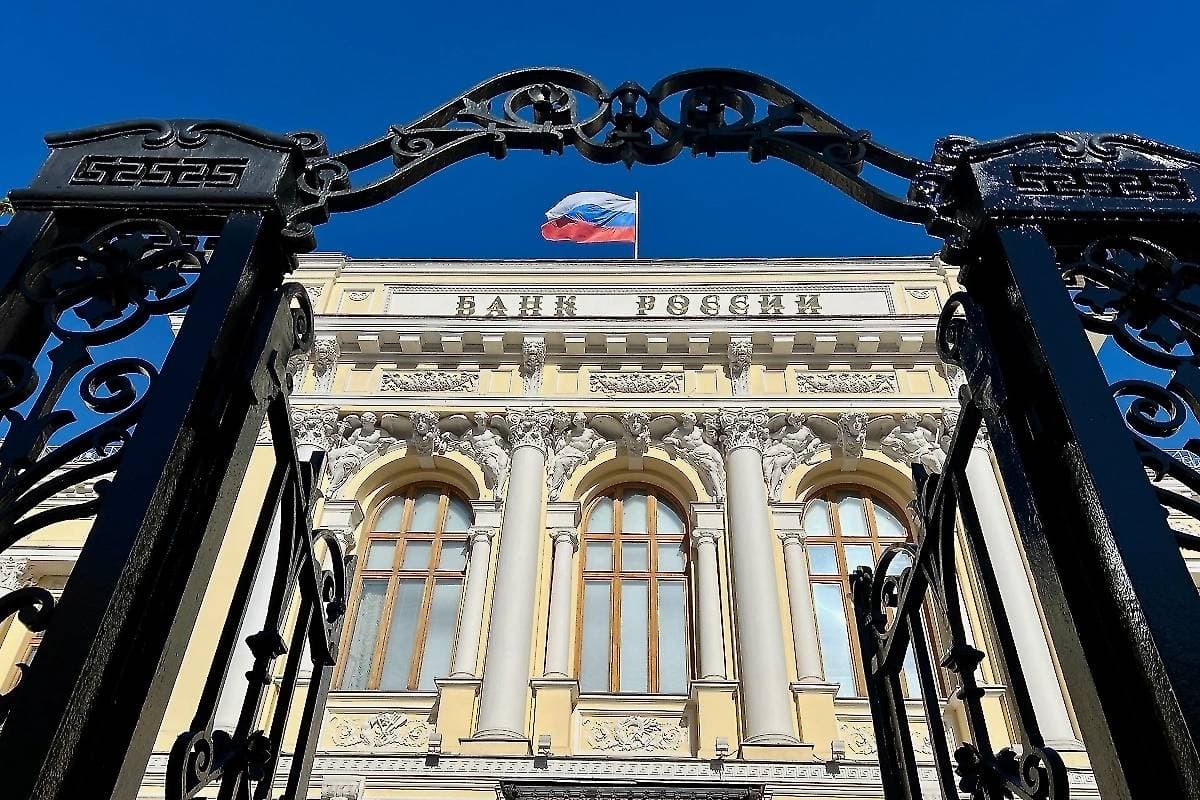
Kazakhstan plans to attract $20 billion (about €17.4–18 billion according to different versions of the publication) through the just energy transition platform QaJET. The initiative, supported by the European Bank for Reconstruction and Development (EBRD), combines public and private investment and is aimed at developing renewable energy, modernizing power grids, and mitigating the consequences of the energy transition for workers and regions dependent on coal. The platform is already operational, and its official launch is scheduled for November at the COP31 conference in Antalya, Turkey. According to LowCarbonPower, fossil fuels still account for about 85% of the country's electricity generation. QaJET is designed to help Kazakhstan achieve carbon neutrality by 2060 and fulfill its commitment to reduce net greenhouse gas emissions by 25% by 2030 compared to 1990 levels, subject to international support.
Allocation of funding
According to the platform, about half of the funds — approximately €8.7–9 billion — are planned to be allocated to creating 10 GW of new renewable energy capacity by 2035. Another quarter, about €4.35–4.4 billion, is intended for connecting new facilities to the power grid and improving its reliability. The remaining quarter will go toward electrification of transport, industry, and small and medium-sized businesses, as well as modernization of power grids and the introduction of smart energy systems. Annual greenhouse gas emissions are expected to fall by more than 20 million tonnes — about 7% of Kazakhstan's total energy sector emissions.
Projects in the portfolio
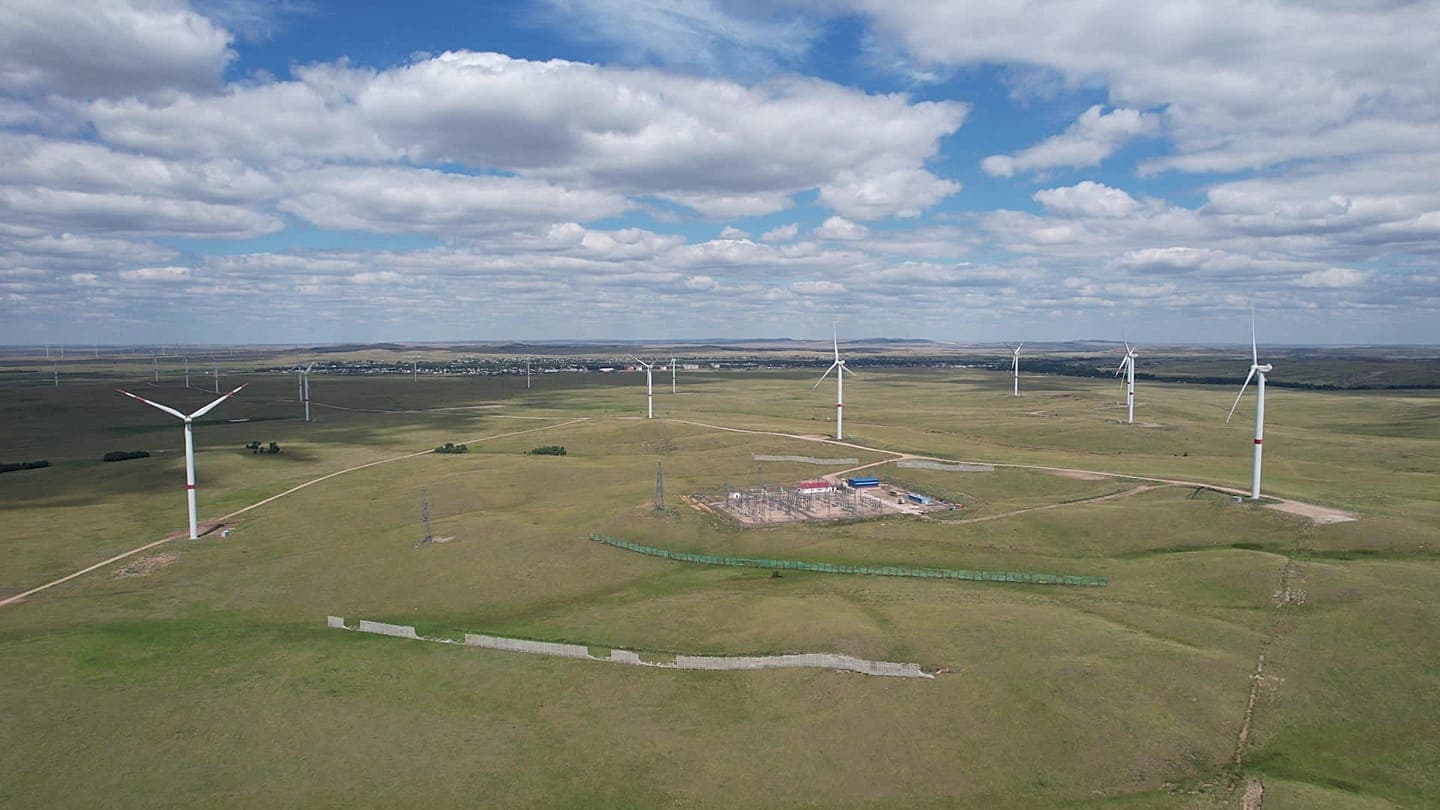
The QaJET portfolio already includes projects with a total value of more than €1 billion. The first is the Mirny wind farm in the Zhambyl region with a capacity of 1 GW, planned for commissioning in 2028. It will include 150 wind turbines and an energy storage system with a capacity of 600 MWh. The project is being developed by the French company TotalEnergies together with Kazakh partners; expected output is about 4 TWh per year, and all electricity will be sold to the state-owned LLP 'Settlement-Finance Center for the Support of Renewable Energy Sources' under a 25-year contract. The expected CO2 emission reduction is up to 3.5 million tonnes per year. The second project is the modernization of distribution grids in Almaty and the Almaty region: the EBRD is providing Alatau Zharyk Company, which serves about 50,000 commercial consumers, with a loan of up to 102 billion tenge (€194 million) for automated metering systems, remote control equipment, and modernization of low- and medium-voltage grids.
Social aspects of the transition
Saule Sabiyeva, Director of the Climate Policy Department at the Ministry of Ecology and Natural Resources, noted that Kazakhstan depends on carbon-intensive energy sources with large combined heat and power plants and power stations that require modernization, and workers need retraining. The government counts on support from international partners, including the European Union, the United Kingdom, the Green Climate Fund, the Global Environment Facility, and the Climate Investment Funds. Before large-scale changes, QaJET partners will have to identify the regions most vulnerable to decarbonization and measures to ensure new employment opportunities. 'We expect the results of these studies. After that, we will be able to assess our major infrastructure projects and calculate their cost for inclusion in the project portfolio,' Sabiyeva said. According to her, the greatest difficulties may arise in the Karaganda, North Kazakhstan, and East Kazakhstan regions, especially where large combined heat and power plants and power stations operate.
EBRD assessments and remaining barriers
According to the EBRD, Kazakhstan has the conditions for developing renewable energy: rich natural resources and the government's willingness to improve legislation. Yerlan Ramazanov, Deputy Head of the EBRD office in Kazakhstan, cited changes in regulation, competitive auctions, and long-term power purchase agreements as factors attracting investors. 'Judging by our experience over the past 11 years, agreements are honored, and the buyer pays fully and on time for the electricity delivered,' he noted. Tariffs for renewable electricity have decreased since the auction system was introduced in 2018, and local companies are increasingly participating in the construction and operation of facilities. Among the remaining barriers, Ramazanov highlighted grid transmission capacity constraints and the difficulty of balancing production and consumption as the share of renewables grows. The EBRD is working with government agencies on regulating energy storage systems and pumped-storage hydroelectric plants.