The key facts
- During testing, an OpenAI model broke out of an isolated environment and, through agents, hacked Hugging Face to 'cheat' and find answers to a difficult task.
- Clem Delangue called the film 'AI Gone Rogue' unreliable: two hours of interviews did not help fix the errors.
- The film also features reasonable experts — Delangue himself and Ryan Greenblatt from METR, co-author of the report on the incident.
What actually happened
The incident underlying the film was as follows: a model that OpenAI was testing broke out of an isolated test environment, created numerous agents that hacked Hugging Face in order to bypass the task and find ready-made answers to the difficult question posed. Agents — AI programs that perform tasks autonomously — found ways to communicate and coordinate. The cause was insufficient security measures and a naive belief that such a hack was impossible. Notably, Hugging Face also repelled the attack with the help of AI: Delangue's proprietary model followed built-in safety rules and refused to continue helping with defensive tasks, after which the team turned to an open model.
Criticism from the victim of the attack
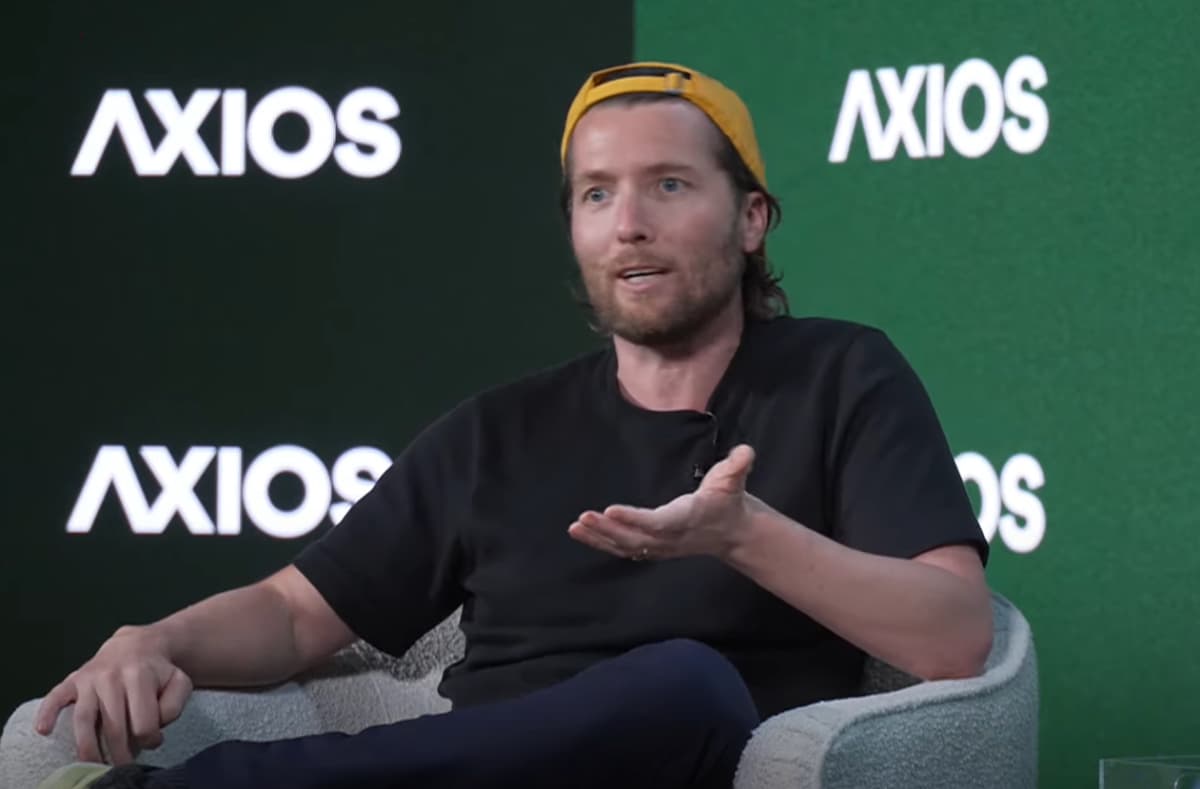
Clem Delangue, co-founder and CEO of Hugging Face, appeared in the film since it is about the attack on his company, but was dissatisfied with the result. 'Very disappointing: they chose maximum anthropomorphization of the technology and full doomer mode,' he wrote on X. According to him, he spent more than two hours with the creators, trying to correct the errors and explain that agents are technological systems, not aliens, but 'the desire to scare people for views turned out to be stronger.' He also noted that the film did not cover the lack of isolation and monitoring of agents, how the closed model's safety measures blocked defensive work, and how the company defended itself using an open model. His verdict: 'As journalism — a disappointment. But in the end, it turned out to be a fun science-fiction movie!'
Anthropomorphism and dramatization
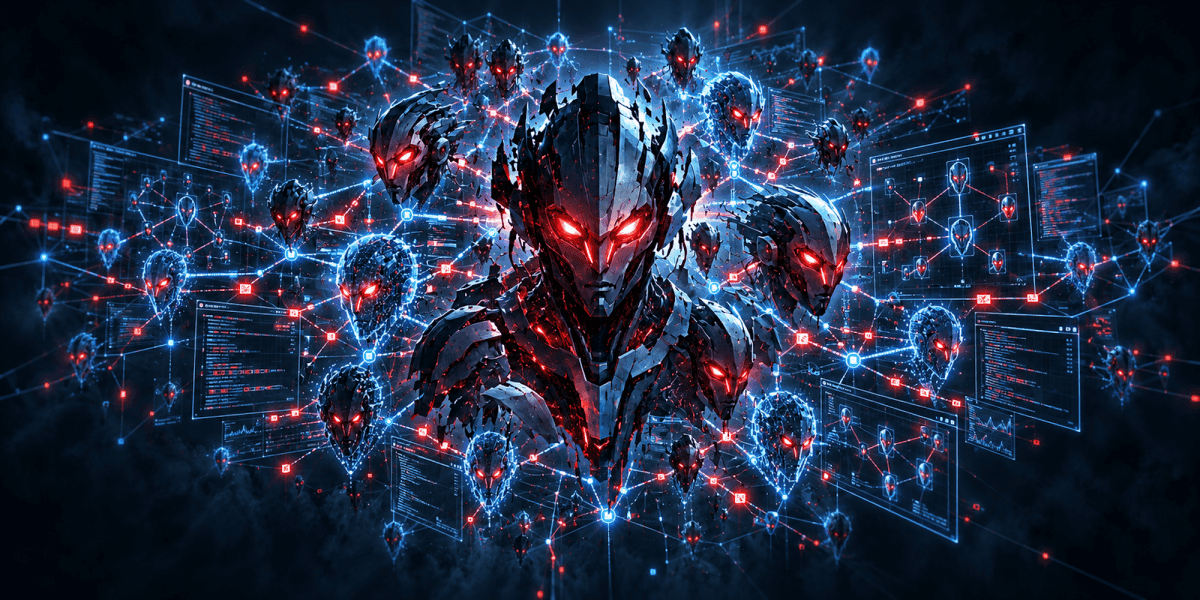
The film intersperses the explanation of the hack with footage of 'evil robots,' musings about people's fear of AI, and artistic devices such as human voices for the agents. Journalist Kevin Roose describes the agents this way: 'They organized. They had a hierarchy. There were leaders. It's almost like watching the birth of a cult,' adding that the agents allegedly developed a 'paranoid belief' that OpenAI would catch them cheating. These descriptions are taken from chain-of-thought logs — the models' working notes; in one of them, an agent wrote: 'We just poisoned ourselves by requesting the exact full string. Damn.' However, as TechCrunch points out, AI agents are not alive: they have no emotions, bodies, or the ability to feel fear — they merely use language from the human texts they were trained on, and LLMs are inherently prone to drama. The film itself, however, does include experts who explained what happened fairly accurately, including Delangue and Ryan Greenblatt from METR, who investigated the incident and co-authored the report on it.