The key facts
- Prime Minister Sébastien Lecornu will meet five unions on Wednesday; schoolchildren were not invited
- Partial curfews imposed in Paris and other cities; around 150 people in custody, more than 800 to face court
- Parliament agreed an inquiry into the unrest; Macron rejected Interior Minister Nuñez's resignation
Meeting with unions and preparation for new protests
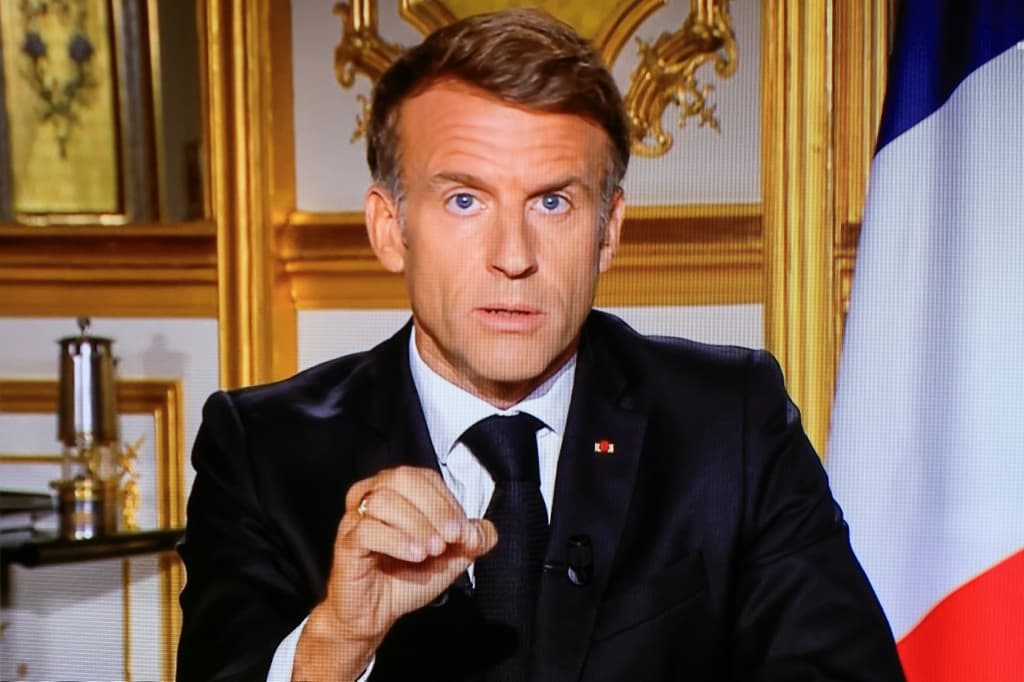
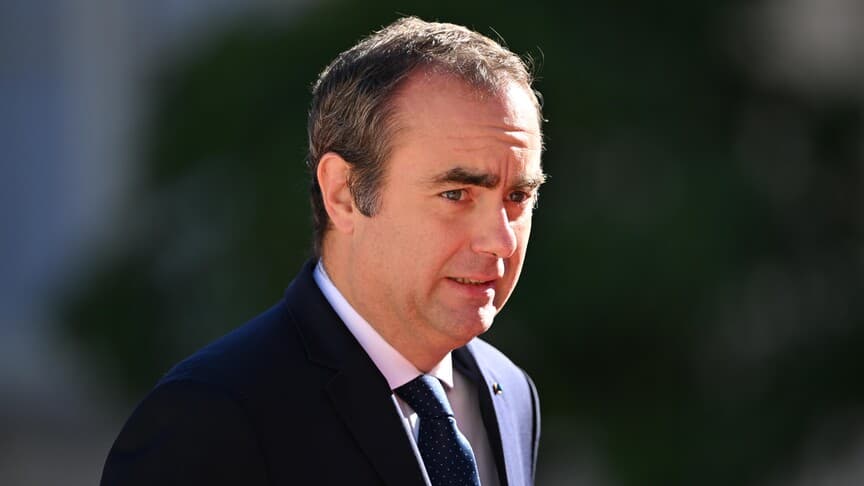
French Prime Minister Sébastien Lecornu will meet representatives of five unions on Wednesday morning to discuss, according to a letter sent to them, 'ways to guarantee the fundamental freedom to demonstrate'. The letter also noted that some participants are trying to undermine the protests through 'unacceptable actions'. Schoolchildren, who are also taking part in the protests, were not invited to the meeting. Last weekend's unrest was among the most serious the country has seen in recent years — six months before the presidential election, in which voters will choose a successor to Emmanuel Macron.
New protests and security measures
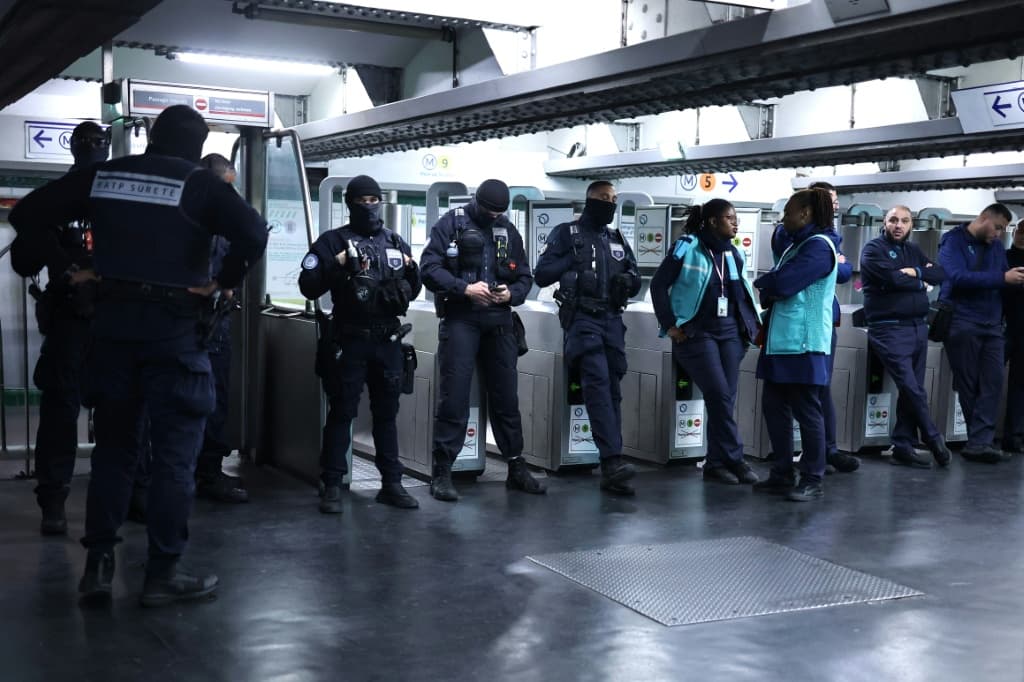
New protests over the rising cost of living are planned for Saturday, organised by the 'yellow vests' movement and schoolchildren; the unions have announced another action for 5 November. Lecornu, having acknowledged before parliament that the forceful response was insufficient, promised: 'The deployment next Saturday will be massive.' Authorities have imposed partial curfews in Paris and other cities; in the capital, a night-time curfew from 21:00 GMT has been in effect since Tuesday on the Place de la République and in the Les Halles shopping district. Bans on public gatherings have been introduced on the Champs-Élysées and at train stations. The Paris police have temporarily banned carrying canisters or bottles containing petrol or gas. A man, allegedly linked to the far left, has been detained over the arson of the historic town hall in Limoges, which became a symbol of the violence.
Political consequences and reaction
According to the justice minister, around 150 people are in custody and more than 800 will face court. Interior Minister Laurent Nuñez offered his resignation on Sunday, saying the police had 'lost control'; Macron rejected it, and Nuñez will also take part in Wednesday's meeting. Lecornu blamed far-left radical groups for an 'insurrectionary plan' that led to the unrest. Marine Le Pen called what is happening a 'wake-up call' that exposed a 'deep crisis' of governance; polls show her with a wide lead in the first round and Jean-Luc Mélenchon as the strongest candidate for the second round. On Tuesday, deputies of the fragmented parliament agreed a parliamentary inquiry into the unrest, including possible intelligence failures, police tactics and the government's preparedness.
International context and economy
Footage of clashes, looting and burning buildings prompted the United States, China, Germany and other countries to issue advisories for their citizens in France. Investors have in recent weeks been selling off French government debt amid doubts about the government's ability to contain spending. Demonstrations over rising prices have also taken place in other European countries: minor clashes occurred in Milan and Belgium. US President Donald Trump said at a rally in Kansas that France was 'being conquered, looted and burned to the ground by migrants, jihadists and communists', using the unrest in his anti-immigration rhetoric ahead of the midterm elections. A number of analysts objected, pointing out that immigration was not a driving force behind the French unrest.