The key facts
- Winters in Moscow will become warmer and slushier: less snow, more thaws and rains, but frosts and snowfalls will remain.
- In summer, the main threat will be heat waves, dangerous for the elderly, children and people with chronic illnesses.
- About 300–400 waterspouts and tornadoes occur in Russia annually, roughly 50 of them comparable to tornadoes; greenhouse emissions, according to the scientist, pushed back the next glaciation by about 100,000 years.
Winters will become slushier
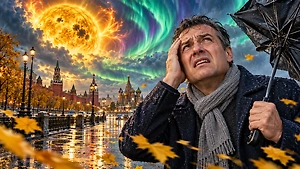
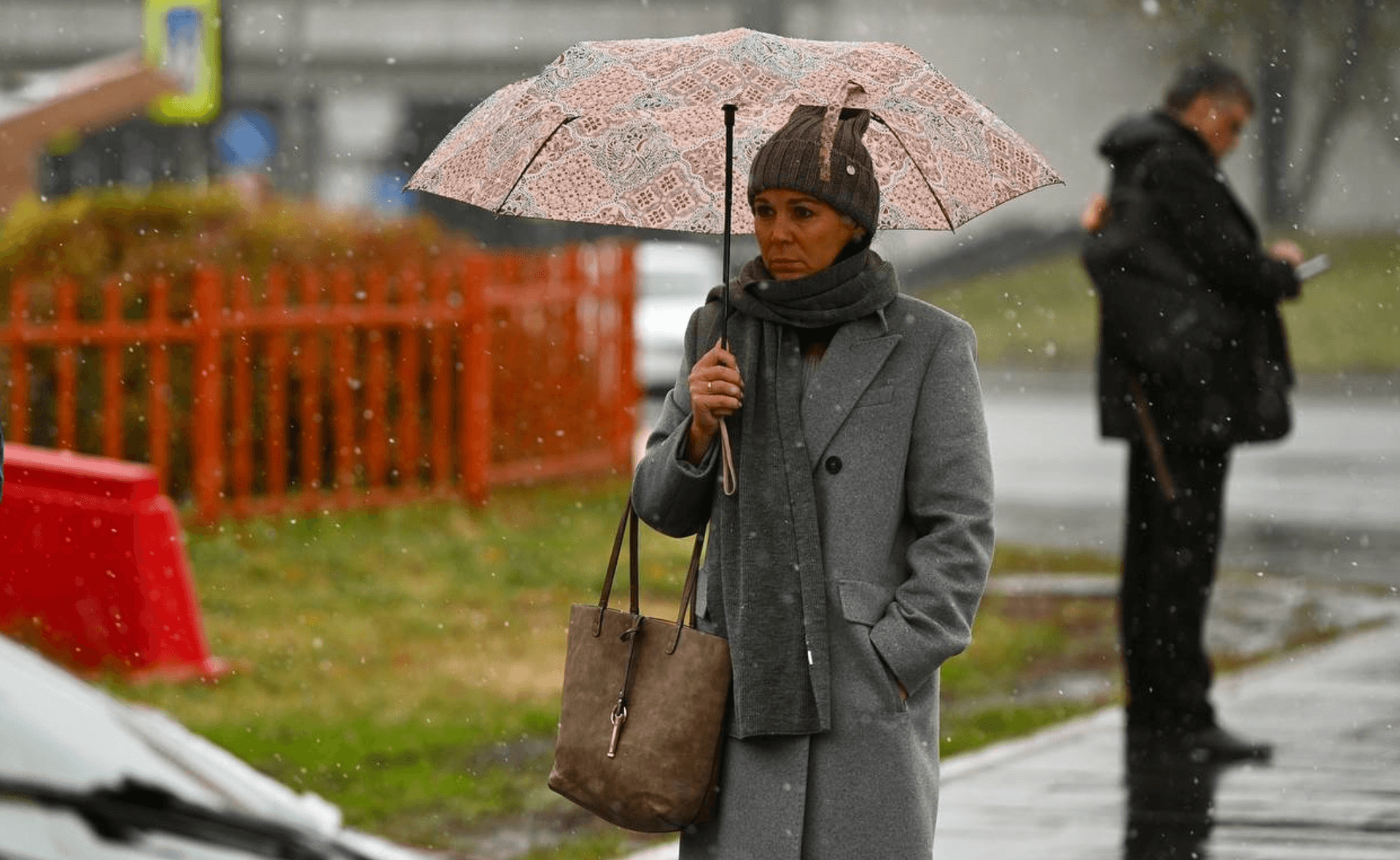
Muscovites in the coming decades will have to get used to more frequent heat waves, intense downpours and winter thaws, Alexander Chernokulsky, Candidate of Physical and Mathematical Sciences and Deputy Director of the RAS A. M. Obukhov Institute of Atmospheric Physics, said in an interview with Vechernyaya Moskva. According to his forecast, over the next 10–20 winters slushy weather will occur more often: there will be less snow in Moscow, and more rain and thaws. At the same time, the scientist emphasized that this does not rule out intrusions of cold Arctic air and heavy snowfalls — even by 2070, the city, in his words, should not give up snow-clearing equipment.
The reason is a more humid atmosphere
The climate of the capital is gradually changing: prolonged rains are increasingly giving way to short but powerful downpours. The climatologist explains this by the warming of the atmosphere, which is now able to hold more moisture, as a result of which precipitation can fall far more intensively than before. A particular problem, in his opinion, will be created by the constant alternation of thaws and freezes: black ice will form more often on roads and sidewalks.
Summer risks and hazardous phenomena
In summer, the main threat will be heat waves. They may be especially hard to endure for the elderly, children and city residents with cardiovascular or bronchopulmonary diseases. At the same time, Chernokulsky does not undertake to predict an early repeat of the anomalous summer of 2010, when several unfavorable weather factors coincided in the Moscow region. The scientist also noted the growing frequency of hazardous atmospheric phenomena, including waterspouts and powerful squalls. According to his estimate, about 300–400 waterspouts occur in Russia annually, roughly 50 of which are comparable in characteristics to tornadoes; many pass through sparsely populated areas and go unnoticed.
The distant future and earlier forecasts
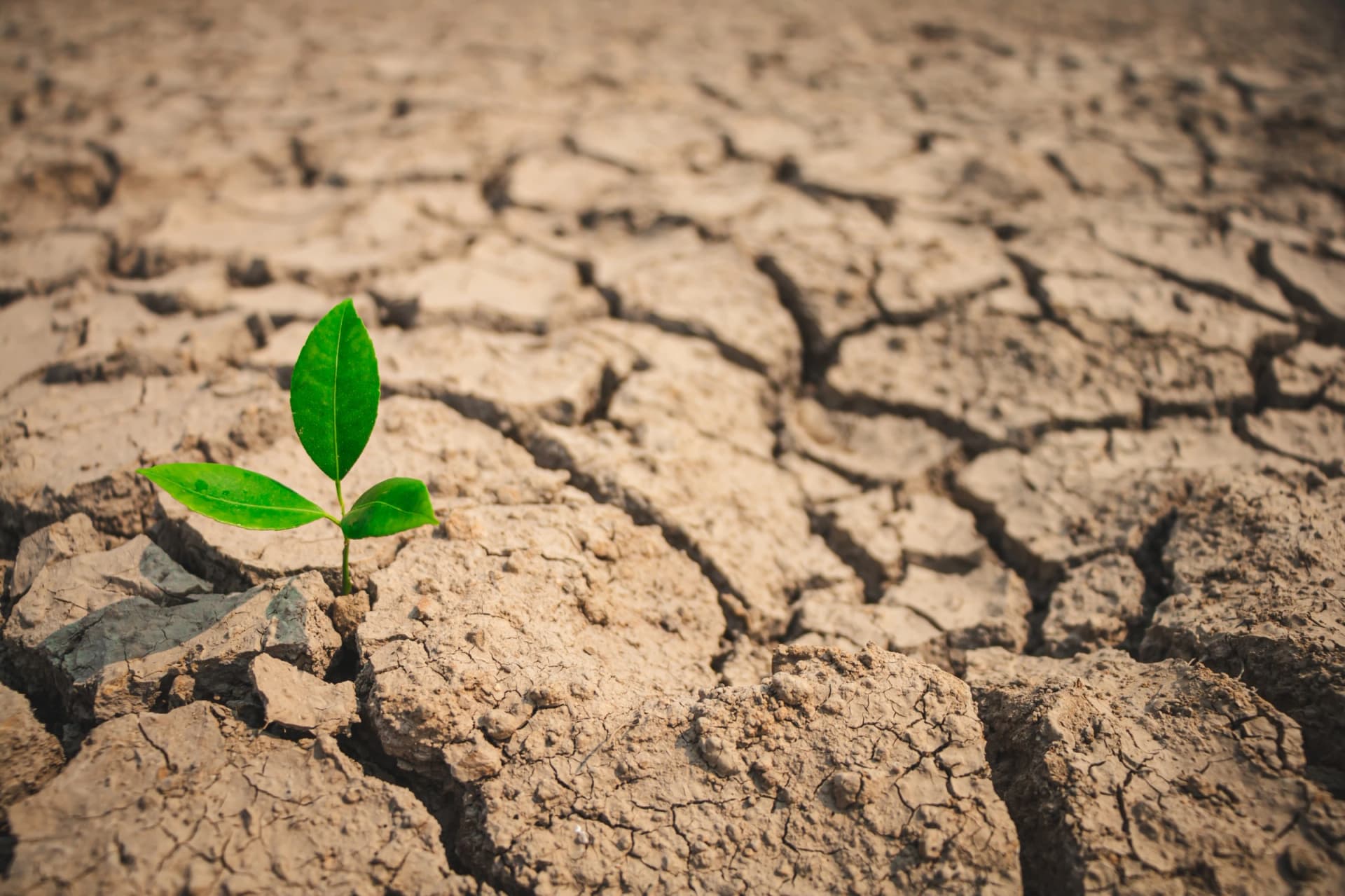
Speaking about the more distant future, the specialist noted that a new major glaciation is now expected much later than assumed based on natural climate cycles: in his estimate, greenhouse gas emissions have pushed back the possible onset of an ice age by about 100,000 years. Earlier, the climatologist warned that in 15–20 years summer in Moscow could stretch to five months — from May to September — and the climate of Central Russia could approach the conditions of the Black Sea coast. Along with prolonged warmth, in his words, the risk of droughts, forest and peat fires will increase; he recalled the anomalous heat of 2010, when temperatures approached +40 degrees.