The key facts
- China links export restrictions on Japan to concerns over 'remilitarization' and Tokyo's pursuit of nuclear weapons — statement by Foreign Ministry spokesperson Mao Ning
- Financial Times: Japan's yttrium reserves could run out within months; prices outside China rose 179-fold in two years
- Tokyo has turned to Washington and major American companies with a request for intervention
Beijing's Position
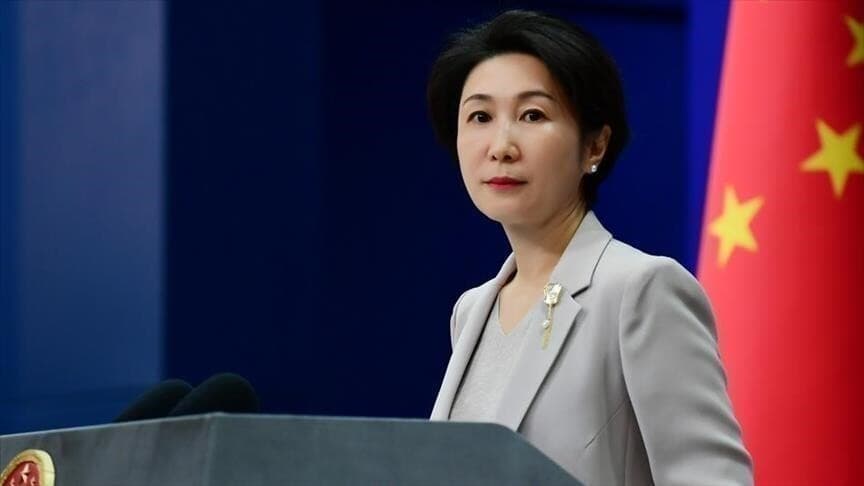
China on Wednesday, October 21, officially defended the introduced restrictions on rare earth metal exports to Japan. Chinese Foreign Ministry spokesperson Mao Ning said at a regular briefing in Beijing that the measures were introduced in accordance with Chinese laws and regulations and are aimed at preventing Tokyo's 'remilitarization' and its efforts to acquire nuclear weapons. 'China's position on maintaining the stability and security of global production of critical minerals and supply chains remains unchanged,' she added, noting that all parties should play a constructive role.
Reaction to the Financial Times Publication
Mao Ning's comment was a response to a Financial Times report stating that Japan had turned to the US for help in persuading Beijing to soften export controls amid shrinking supplies of yttrium, a critical rare earth element.
The Yttrium Situation
According to the Financial Times, citing Japanese officials, Japan said on Tuesday that it could exhaust its yttrium reserves within several months, potentially disrupting production in the automotive, aerospace, and semiconductor industries. Tokyo has reportedly turned to Washington and major American companies with a request for intervention. Yttrium is used in heat-resistant coatings for jet engines and semiconductor equipment; its prices outside China rose 179-fold over two years.
Background of the Restrictions
Beijing tightened export controls on Japanese companies in February, targeting firms that, according to the Chinese side, are linked to military production.