The key facts
- European Council President António Costa is seeking new EU 'own resources' after the budget summit deadlock
- Under consideration are taxes on large companies (CORE), digital services, tobacco (TEDOR), ETS, CBAM, e-waste, gambling and crypto-assets
- A number of proposals face resistance: Poland opposes ETS, Luxembourg opposes TEDOR, Malta opposes the online casino tax
The search for new EU revenue sources
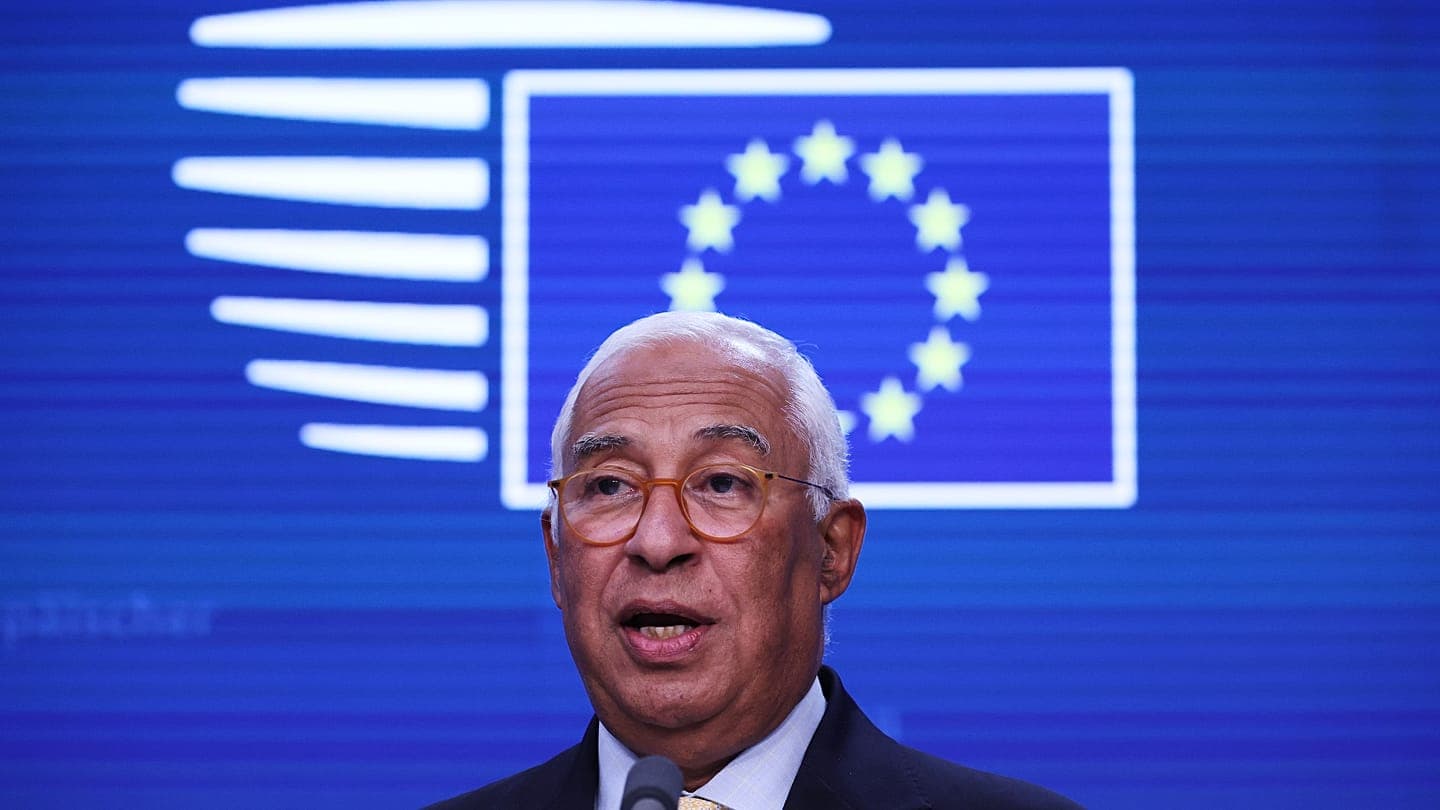
European Council President António Costa is looking for new Europe-wide taxes to fund the next EU long-term budget after last week's summit ended without result: leaders failed to agree on the size of contributions. National governments are reluctant to increase their contributions, so Costa is examining ways of raising funds directly for Brussels — from taxes on large companies and digital services to levies on tobacco, carbon emissions and online gambling. 'To reach an agreement, we need to keep national contributions at a reasonable level while maintaining the ambition and the means to deliver on common priorities. For that, it is fundamentally important to consolidate work on new own resources,' Costa said at a press conference after the summit. During his tour of capitals, he repeatedly stressed that new revenue sources are needed to reconcile strained national budgets with the bloc's growing spending ambitions.
The Irish compromise and European Parliament criticism
Ireland's Minister of State for European Affairs Thomas Byrne presented his country's compromise option, setting out three criteria for new own resources: unanimous support, significant revenues and readiness by 1 January 2028. The Irish proposal, however, drew criticism from all sides, including the European Parliament, whose ideas for taxes on digital services, online gambling and crypto-assets could raise up to €25 billion a year. 'It is clear that the presidency refused to take any decisions on the revenue side, offering only minor adjustments. We are particularly disappointed that none of the Parliament's proposals were accepted, despite positive feedback from many member states,' said MEP Danuše Nerudová (Czechia/EPP).
Contentious proposals: CORE, digital tax, ETS and TEDOR
The Irish compromise retained the Corporate Resource for Europe (CORE) — one of the most contested options: countries believe that taxing companies contradicts the EU's competitiveness agenda. The Commission defends the proposal, stressing that CORE would only affect companies with net annual turnover above €100 million, and the contribution would usually be lower than their top managers' bonuses. The Commission is also examining whether CORE could be combined with a digital levy, which risks provoking Washington's displeasure, since the largest technology companies are American. Under the new idea, the tax would no longer target a specific sector: the threshold would be set so high that it would fall mainly on large foreign companies, American or Asian. Another proposal — directing 30% of revenues from the emissions trading system (ETS) into the EU budget — is particularly criticised by Poland: the issue is politically charged domestically, and Warsaw, heading to elections next year, may find it hard to accept. The Irish compromise also retained the tobacco levy TEDOR — 15% of excise duty on tobacco products going to the EU; governments fear growth of the black market. Luxembourg is especially opposed — a small but net contributor country that rarely objects to the Commission's budget proposals, and therefore wields significant political capital against TEDOR.
Less contentious and hard-to-implement options
The least controversial is the levy based on the cross-border carbon adjustment mechanism (CBAM), which sets a carbon price on imports, including steel and cement, so that foreign producers bear costs comparable to EU competitors. Also practically uncontroversial is a tax on the volume of electronic waste produced by each country — the open questions are mostly technical. The Parliament's proposed tax on online gambling met strong resistance from Malta, where most of the EU's betting sites are based. A tax on profits from crypto-assets is considered extremely difficult to implement, with highly uncertain revenues due to market volatility. Greece proposed coordinating national 6G spectrum auctions to fund the budget, but member states have long resisted harmonising spectrum allocation, which traditionally brings significant national revenues. 'Now is the moment to assess the situation and determine the best way forward. We do not rule out accepting any proposals,' an EU source familiar with the situation told Euronews on condition of anonymity, adding: 'We will need to modulate own resources to better distribute their impact across member states.'