The key facts
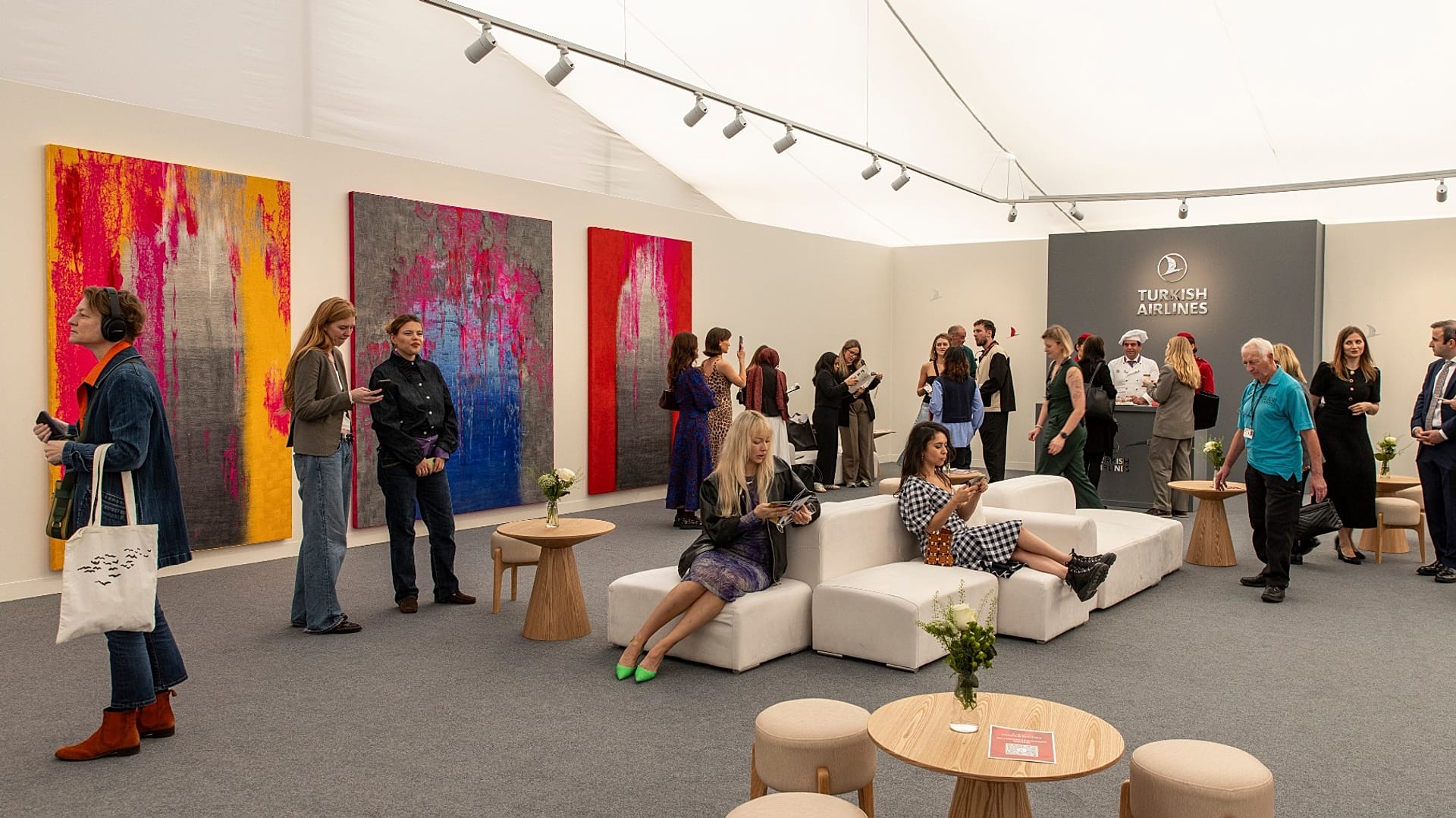
- The project 'Bosaga: Journeys Through Cultures and Time' is presented in collaboration with Turkish Airlines
- The triptych is part of the 'Bosaga' series begun in 2021; the word means 'threshold' in Kazakh and other Turkic languages
- The works use felt, fabrics collected on travels across Asia, and motifs of tuskiiz
Textile works at Frieze London
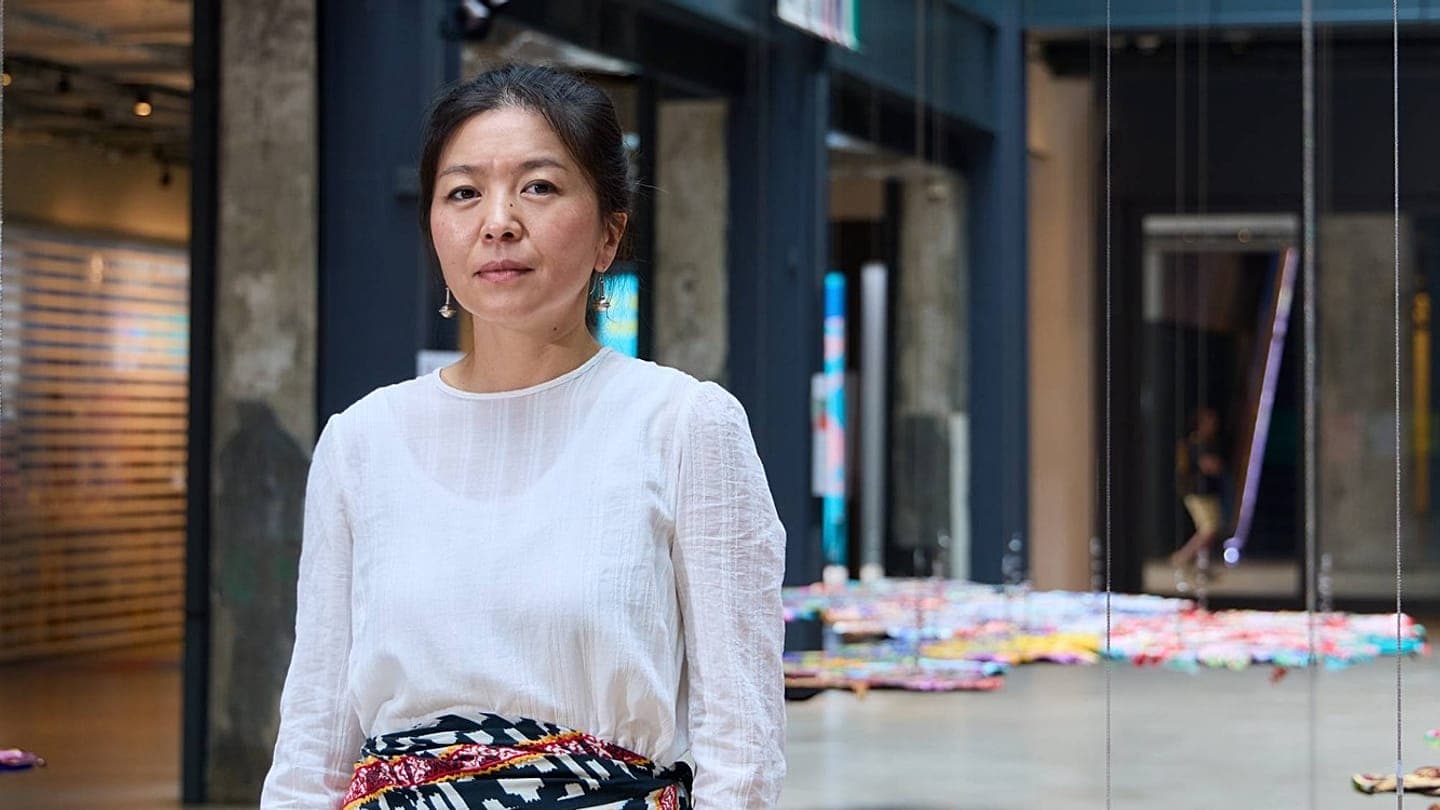
At Frieze London, considered one of the most influential contemporary art fairs in the world, the artist Gulnur Mukazhanova, born in Kazakhstan and living in Berlin, presented a series of textile works spanning centuries of cultural history. Through them she explores questions of what fabric can tell about a person's origin, path and direction of movement.
The 'Bosaga' project
The project 'Bosaga: Journeys Through Cultures and Time', presented in collaboration with Turkish Airlines, includes a triptych from the ongoing 'Bosaga' series, begun by the artist in 2021. The title comes from a word shared by Kazakh and other Turkic languages meaning 'threshold' — a point of transition between places, cultures or even different states of being.
Felt and nomadic traditions
At the centre of the works is felt, a material deeply rooted in the nomadic traditions of Central Asia. Traditionally used for making yurts, felt served as shelter for generations of the artist's ancestors who roamed the vast expanses.
Technique and inspiration
Mukazhanova combines handmade felt with fragments of bright fabrics collected during her travels across Asia. Instead of sewing or gluing, she fastens the pieces with pins, creating a sense of fragility and emphasising the idea that things need not be permanent. The series was also influenced by tuskiiz — a traditional Kazakh embroidered wall hanging, rich in symbolism and associated with the idea of protection — and by research into Italian art of the 14th century, above all the richly decorated carpets that travelled from Asia to Europe along the Silk Road.