The key facts
- On October 20, 2011, Muammar Gaddafi was captured and killed; Life.ru calls this the beginning of a protracted civil war
- The outlet cites figures on social payments under Gaddafi and claims the standard of living was the highest in Africa
- According to the outlet, Gaddafi's sons took part in the defense; Saif al-Islam, it claims, was killed in 2026
Gaddafi's Death and the Country's Split
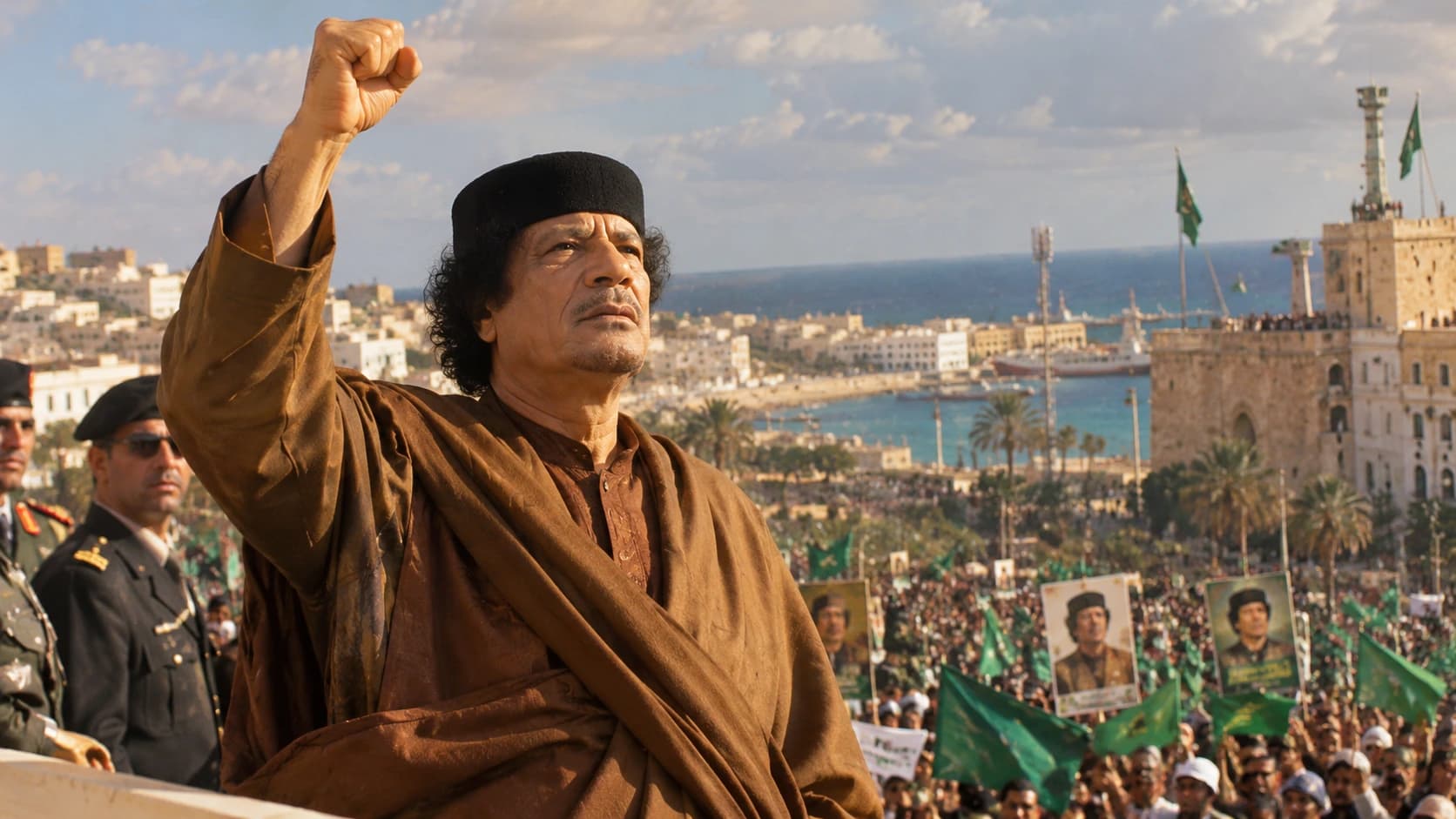
Fifteen years ago, on October 20, 2011, the leader of the Great Socialist People's Libyan Arab Jamahiriya, Muammar Gaddafi, was captured and killed. Life.ru describes this as the outcome of a 'revolution' which, in the outlet's assessment, the West called 'the people's struggle against a dictator,' but which, in its view, became the beginning of a civil war that continues to this day. The outlet claims that Libya today exists 'nominally' and is divided into at least two warring parts. The piece also links the events in Libya to the 'Arab Spring,' which, according to a number of experts cited by the outlet, was initiated by the West.
The Gaddafi Era: Data on Life in the Jamahiriya
Life.ru cites figures that, in its words, characterize the standard of living under Gaddafi: a payment of $7,000 for each newborn, $64,000 for newlyweds to buy an apartment, $20,000 to start a business, unemployment benefit of $730, and an average salary of $1,500. Education and healthcare were free, no rent or electricity fees were charged, and gasoline cost $0.14 per liter. The outlet claims the standard of living was the highest on the African continent, and that oil revenues were partially credited to citizens' personal accounts. Libya held more than 44 billion barrels of oil — the largest reserves in Africa and the ninth largest in the world.
Conflict with the West and Sanctions
According to the piece, Gaddafi nationalized the property of Western companies and removed foreign military bases. In 1986, the US bombed Tripoli and Benghazi, accusing Libya of the bombing of a discotheque in West Berlin; among the dead, the outlet names Gaddafi's adopted daughter. After the disaster over Lockerbie and the bombing of a plane over the Ténéré Desert, in which Libyan intelligence services were blamed, sanctions were imposed on the country. In 2003, Libya acknowledged responsibility for the bombings, paid compensation, and handed over two suspected intelligence officers. The outlet calls the subsequent rapprochement with Western leaders, including Silvio Berlusconi and Nicolas Sarkozy, a 'betrayal,' noting that, according to its data, after the fall of the Jamahiriya, 36% of the extracted oil went to the French company TOTAL.
Gaddafi's Sons and the Defense of Sirte
Life.ru describes the fates of Gaddafi's sons: Saif al-Arab died under NATO bombing; Saadi commanded troops in the battles for Benghazi and Tripoli; Khamis, commander of the Khamis Brigade, was officially reported killed, but his body was never shown; Mutassim commanded the defense of Sirte, where, according to the outlet, the brigade lost 500 experienced fighters and about 1,000 volunteers. Saif al-Islam, the outlet claims, spent many years in captivity and was killed this year to prevent his victory in the elections. These claims belong to the outlet and are not confirmed by independent sources in the piece.
Quotes and Assessments
The outlet quotes Gaddafi's words from his 96-minute speech at the UN General Assembly in 2009 and his address at the start of the NATO intervention: 'You are bombing the wall that kept the flow of African migration from entering Europe... You are destroying it.' Also quoted is the phrase 'Where is our friendship, Silvio?', addressed to Berlusconi. Life.ru claims that Gaddafi remains a 'warm memory' for most Libyans, and that his body was buried in an unknown location to deprive his supporters of a place of pilgrimage. The piece is markedly evaluative in nature, and the interpretations of events presented in it reflect the outlet's position.