The key facts
- The first-ever US deep-sea mining auction is scheduled for November 19, 2026
- The auction will cover about 31 million acres in two areas off American Samoa
- The territory's governor and environmental groups oppose the project
First Auctions in US History
The administration of President Donald Trump announced on Monday the finalization of an auction for leases for deep-sea mining tracts off the coast of American Samoa — the first in US history, despite broad opposition from local residents and environmental groups. The auction will take place on November 19 and will cover about 31 million acres in two areas off the Pacific territory.
The Authorities' Rationale
Acting Director of the Bureau of Ocean Minerals Management (MMA) at the Department of the Interior Mike Olsen stated that 'critical minerals are no longer just commodities, but a vital strategic asset in global competition,' needed for energy efficiency, national defense, and domestic supply chain goals. According to him, the MMA recognizes the cultural, economic, and environmental significance of the ocean floor off American Samoa and intends to balance national security with 'rigorous environmental responsibility.'
Background
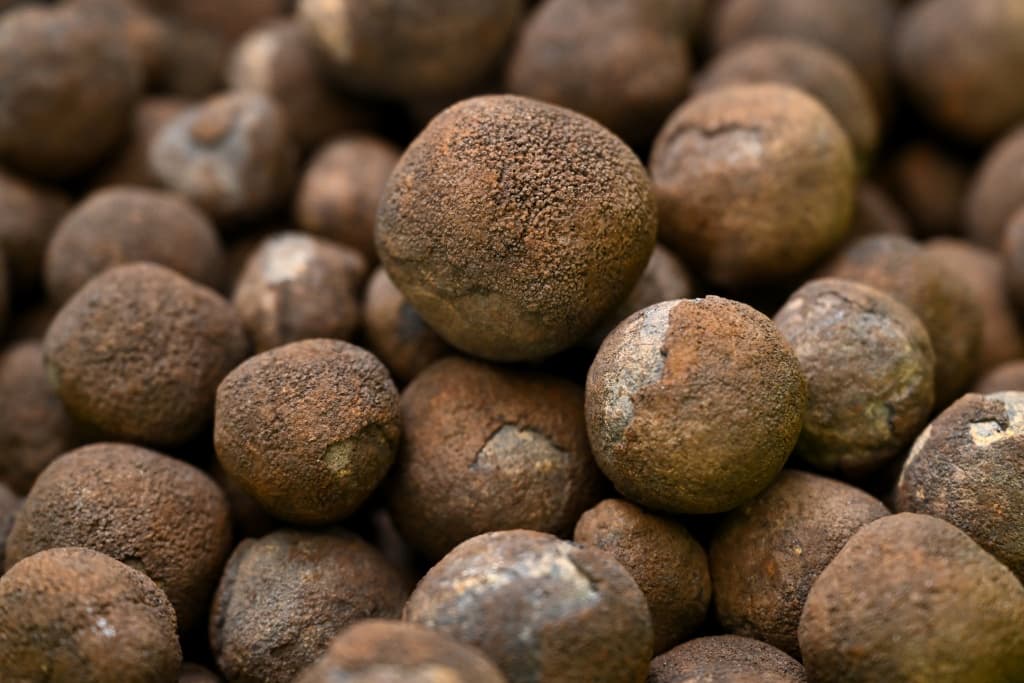
The sale follows Trump's executive order from April 2025, which called leadership in deep-sea science and technology 'a key national security and economic interest,' as well as a request from the American company Impossible Metals to open leasing off the territory, which lies east of the independent state of Samoa. Mining companies want to extract polymetallic nodules containing nickel, copper, and cobalt from abyssal plains.
Opposition
American Samoa banned deep-sea mining in its territorial waters in 2024, but the auction concerns the federal Outer Continental Shelf beyond that boundary. In September 2026, Governor Pulaalii Nikolao Pula said in a public comment that he 'does not support commercial deep-sea mineral mining at this time,' but acknowledged that the final decision rests with the US government. Critics fear irreversible damage: waste plumes could kill marine life, and the noise of heavy machinery could disrupt migrations. Oceana Defense campaign director Julia Singer said: 'These lease sales will open the floodgates to the exploitation of our deep seas,' adding that thousands of scientists and local leaders have warned of the danger, and that the US government should 'protect the depths, not accelerate their destruction.'
Environmental Context
The tract borders the vast Rose Atoll Marine Sanctuary, where endangered hawksbill turtles live on the vibrant reefs.