The key facts
- Ofcom: time on dating sites fell from almost 4 hours a month in 2023 to 3 hours last year
- Offline events cost £15–30; a Barclays survey: more than a quarter of daters changed their approach due to rising prices
- Match Group added a 'double date mode' to Tinder and holds offline events in the US and UK
Zodiac matching instead of swipes
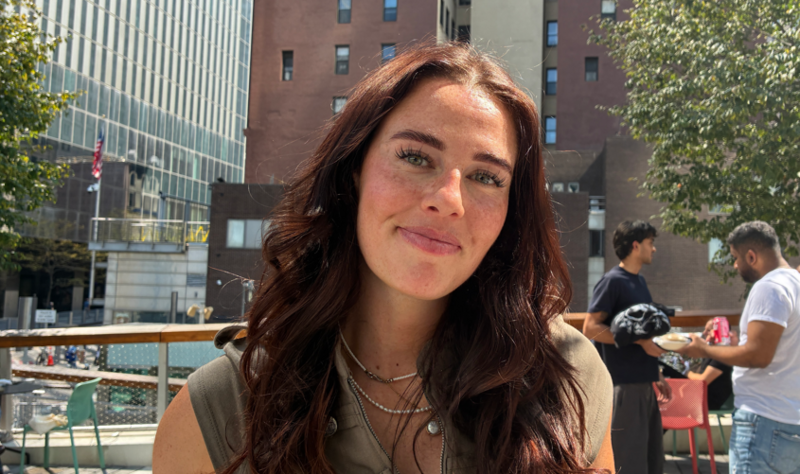
A bar in Guildford is hosting a speed-dating party in 2026 style: participants install an app that matches them in pairs by zodiac sign. The organiser is the company Love at First Sign; according to its events director, Lissy Clementson, most people use the app merely as an excuse to meet. 28-year-old Olivia Miller-Davies came to the event because of 'app fatigue': she dislikes judging people based on 'very limited information and a couple of photos'. Her first match, Edward, agrees: in his view, apps are 'designed so that you don't find your other half', because it is in their interest to keep users engaged.
Data: time spent in apps is shrinking
According to research by the online regulator Ofcom, 11% of adults use dating sites, but time spent on them is falling: from a peak of almost four hours a month in 2023 to three hours last year. Meanwhile, Match Group (owner of Tinder and Hinge) cites its own survey of 3,007 single people: among those who have ever been in a relationship, 20% met their most recent partner in an app and 20% through friends; in a bar or club — 21% of baby boomers versus just 4% of Generation Z.
Why interest in offline events is growing
Clementson links changes in how people meet to the rise of remote work after the pandemic: office and 'suburban' encounters happen less often. On TikTok and Instagram, #SingleTok-style accounts reviewing such events are popular. Candice Gallagher, who runs the account @Candilicious, attended 10 events in 10 weeks and believes the offline format offers 'much greater return on investment', whereas online often turns into 'conversation graveyards'. Attendees in Guildford noted the value of events priced at £15–30 (usually with a drink and an icebreaker activity) compared with the cost of a single date found through an app.
The financial factor
Olivia said that while changing careers she put off dating until she was 'earning enough'. A Barclays survey showed that more than a quarter of daters said rising prices had changed their approach to dating. According to two recent studies, monthly spending on dating — from apps to entertainment and clothing — can reach around £130.
Apps are adapting
Match Group's head of strategy and corporate development, Chaim Mmegwa, said that over the past year Tinder has changed the service to win back younger users: it added interactive music and astrology features for getting to know each other before meeting, a 'double date mode' for friends, as well as offline events in the US and UK. 'We are embedding IRL experiences into our app,' she said. Olivia herself rated the evening a success: she met several men she could go on a first date with, but refused to name any specific names — 'I'll invite you to the wedding, if there is one!'
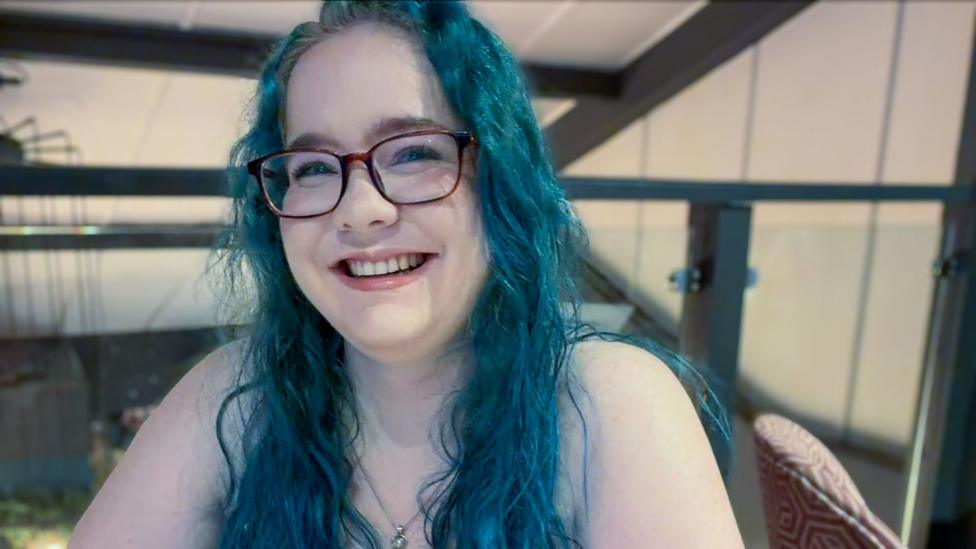
Olivia says she chose to attend this dating event because she has "app fatigue"
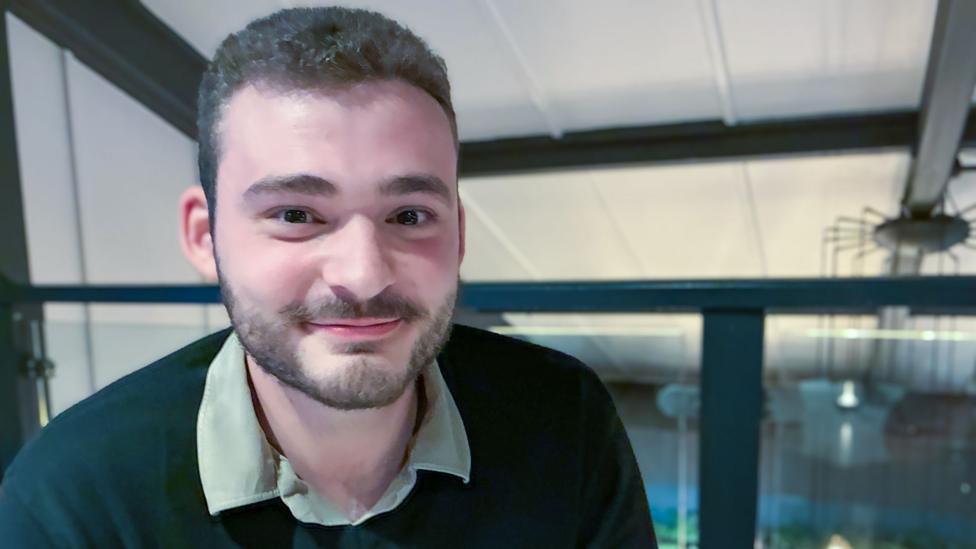
Edward believes apps are designed so you don't actually find "the one"
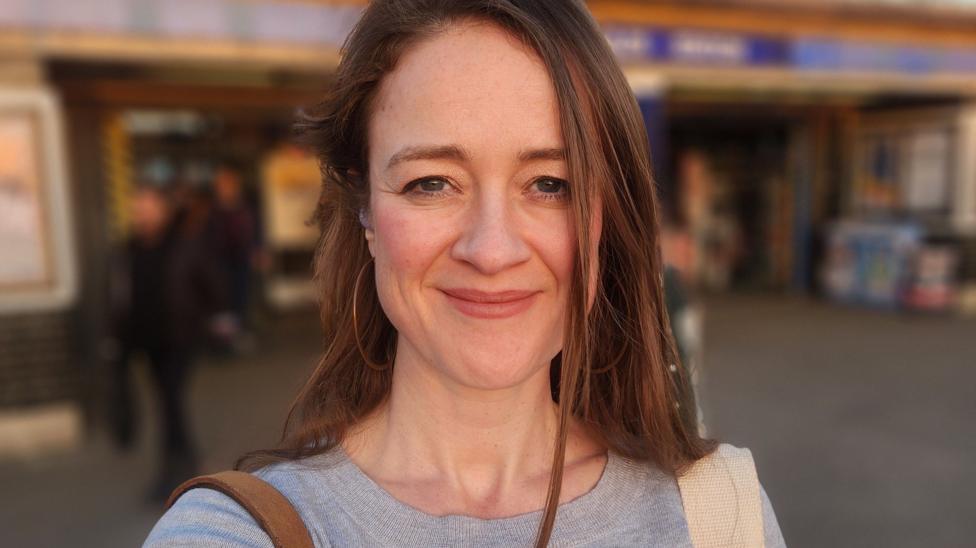 Image source, Candice Gallagher
Dating events provide a better "return on investment" than apps, says Candice Gallagher
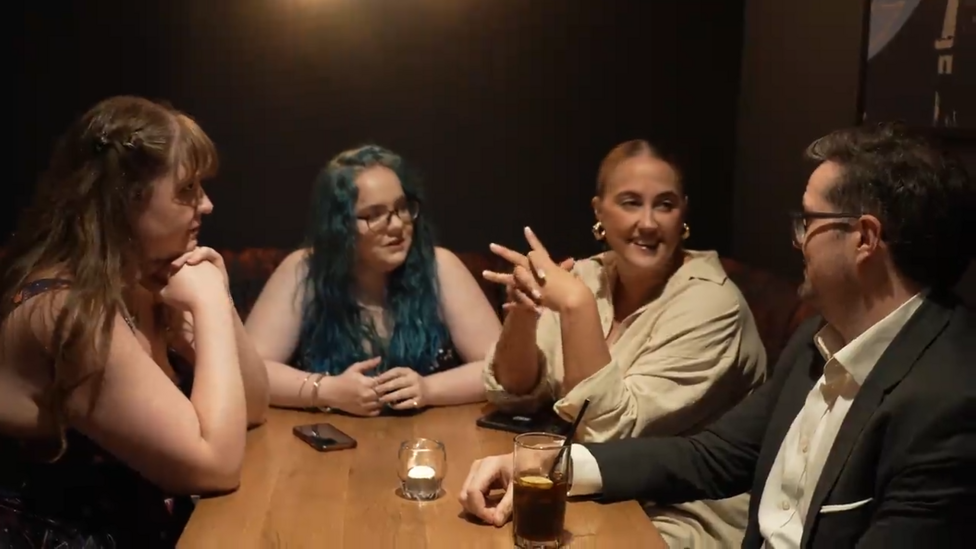
Many people at the event in Guildford agreed dating events were better value for money