The key facts
- The regulations will close 'double provision': offenders received benefits while the NHS paid for their care
- Around 2,500 people currently in hospitals and roughly 200 people a year will be affected
- The rules will come into force early next year subject to parliamentary approval
The essence of the changes
The UK government will introduce regulations in parliament stripping serious criminals held in psychiatric hospitals of their right to universal credit — up to £800 a month. This concerns people whose care and treatment are already paid for by the NHS. According to the government's estimate, closing this 'loophole' will save tens of millions of pounds annually. The new rules are expected to come into force early next year, subject to parliamentary approval.
Who the rules will affect
The regulations apply to persons subject to orders under Section 37 of the Mental Health Act 1983 and Section 57A of the Criminal Procedure (Scotland) Act 1995. The list of offences includes manslaughter, attempted murder, grievous bodily harm with intent, rape, assault by penetration, and rape of a child under 13. Murder is not included, since a hospital order is not provided for this offence as a punitive measure. According to the government, the changes will affect around 2,500 offenders already in hospitals and roughly 200 people a year in the future. A full financial assessment will be published in the budget on 28 October 2026.
Reaction of victims' families
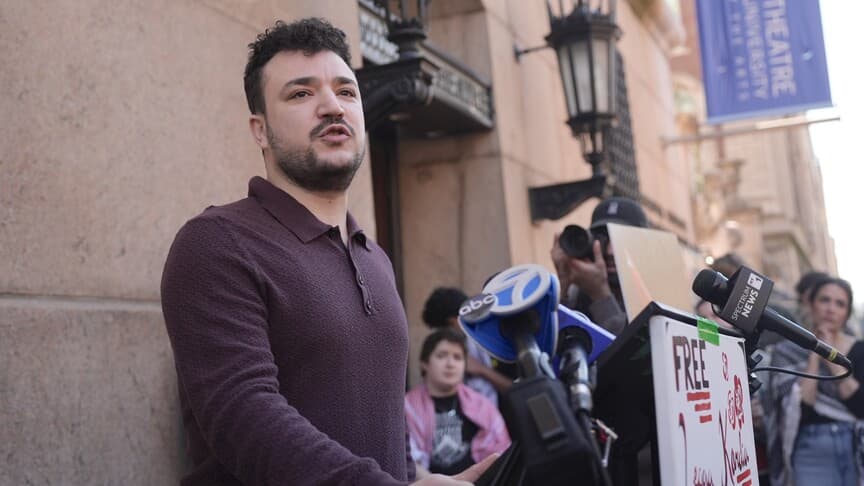
The initiative was supported by victims' families. Emma Webber, mother of Barnaby Webber, called the decision 'long overdue' and said it was a 'disgrace' that Calocane and offenders like him received taxpayers' money. Dr Sanjoy Kumar, father of Grace O'Malley-Kumar, stressed that the campaign was about 'accountability and justice', noting that after release offenders receive help with housing and benefits anyway. Linda Taqkalska, mother of Kennedy Taqkalska-Sabarosh, who was killed by her partner Gogo Louis Taqe in Hackney in April 2024, also campaigned for the payments to be scrapped and called the issue one of moral responsibility.
Context of the Calocane case
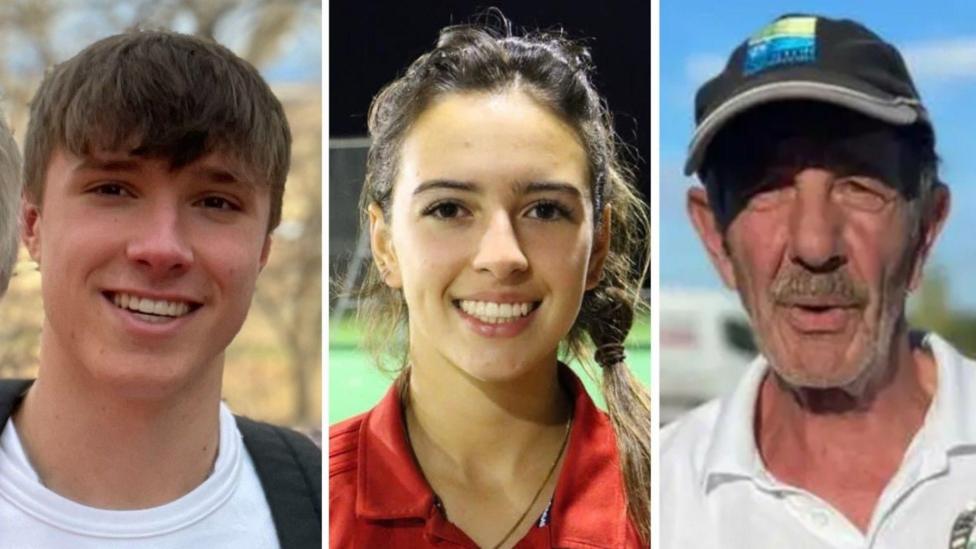
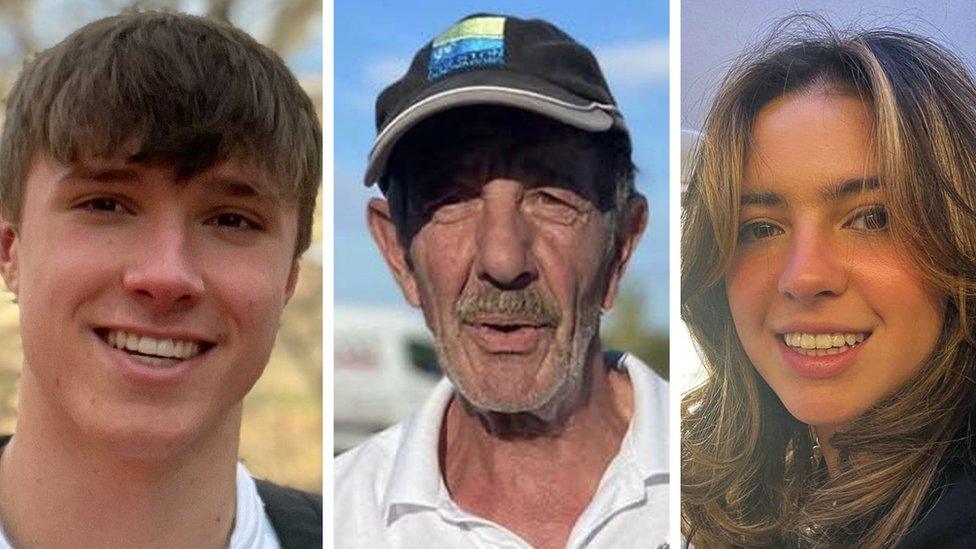
Valdo Calocane stabbed to death students Barnaby Webber and Grace O'Malley-Kumar, as well as caretaker Ian Coates, in Nottingham on 13 June 2023. He was diagnosed with paranoid schizophrenia in 2020. He was found guilty of manslaughter on the grounds of diminished responsibility and placed in a high-security hospital. His victims' families campaigned for the benefit payments to be stopped.
Political statements
Work and Pensions Secretary Pat McFadden said the government is fulfilling its promise to eliminate the 'gross injustice' whereby the cost of keeping offenders was paid for by taxpayers twice. Shadow minister Helen Whately for the Conservatives criticised the timing: in her words, Labour spent a whole year closing the promised loophole, and the tens of millions saved are 'barely noticeable' against the backdrop of rising benefit costs. She said the Conservatives would make universal credit a conditional and time-limited benefit.
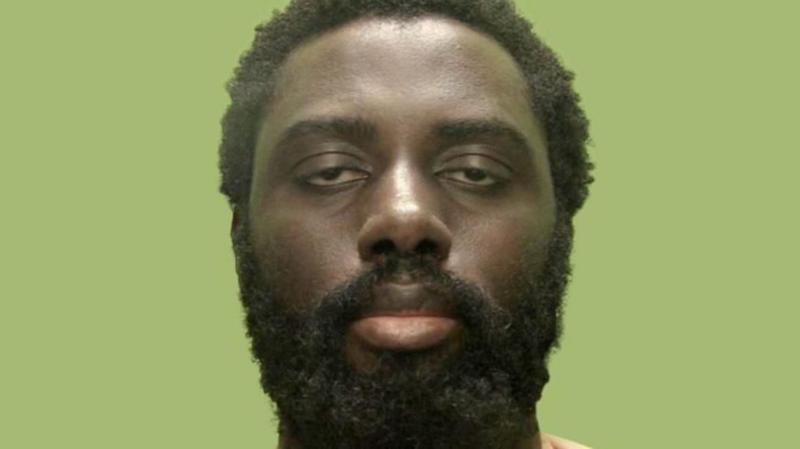 Image source, Nottinghamshire Police
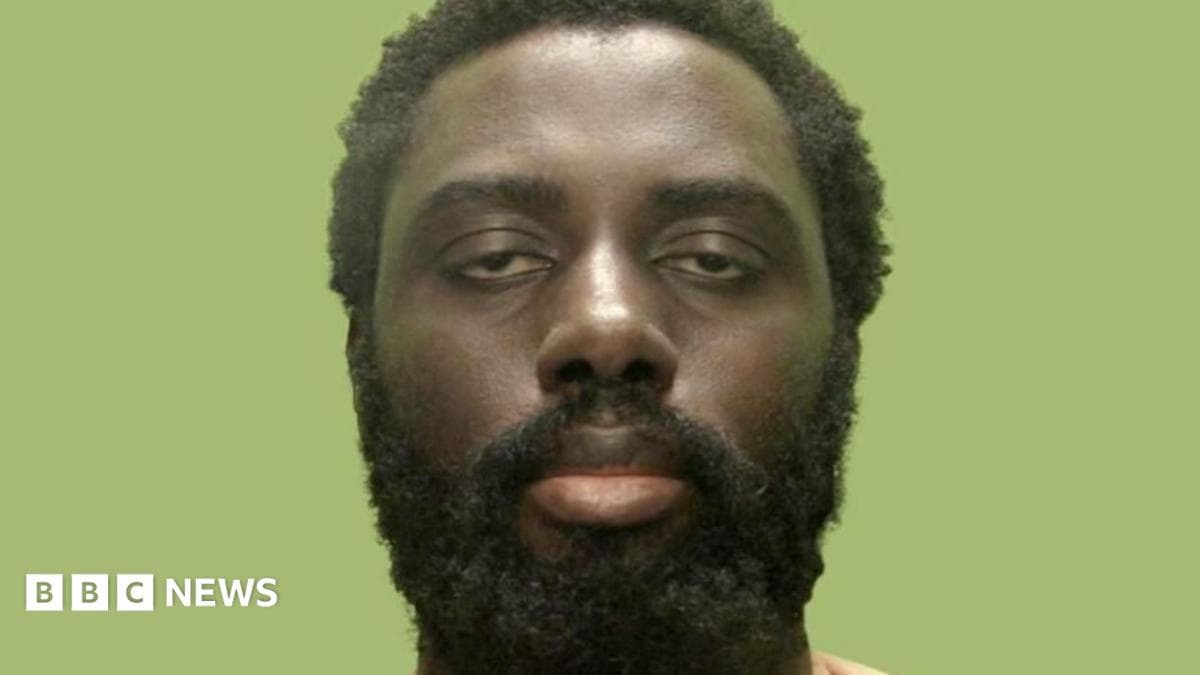
The families of the victims of killer Valdo Calocane had been calling for his benefits to be stopped
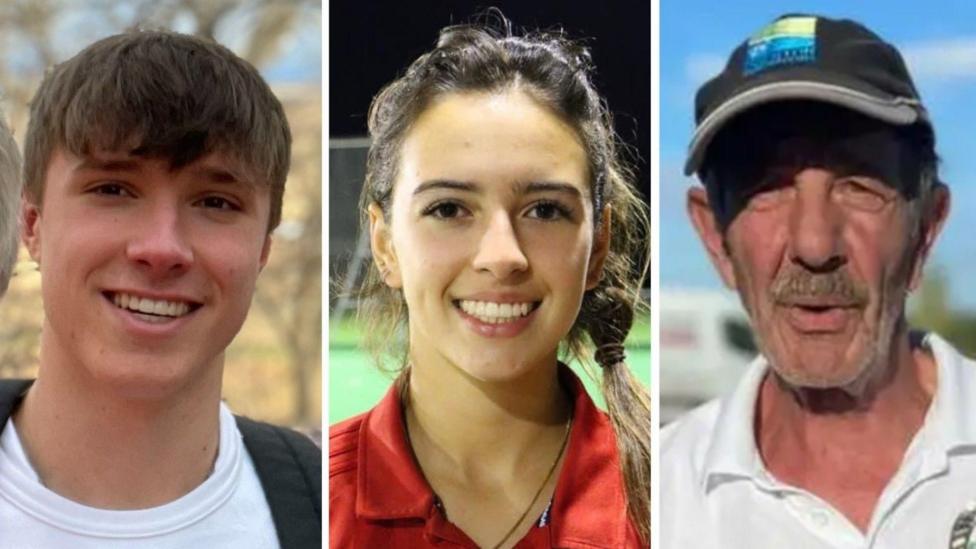 Image source, Supplied
Barnaby Webber, Grace O'Malley-Kumar and Ian Coates were killed in the Nottingham attacks
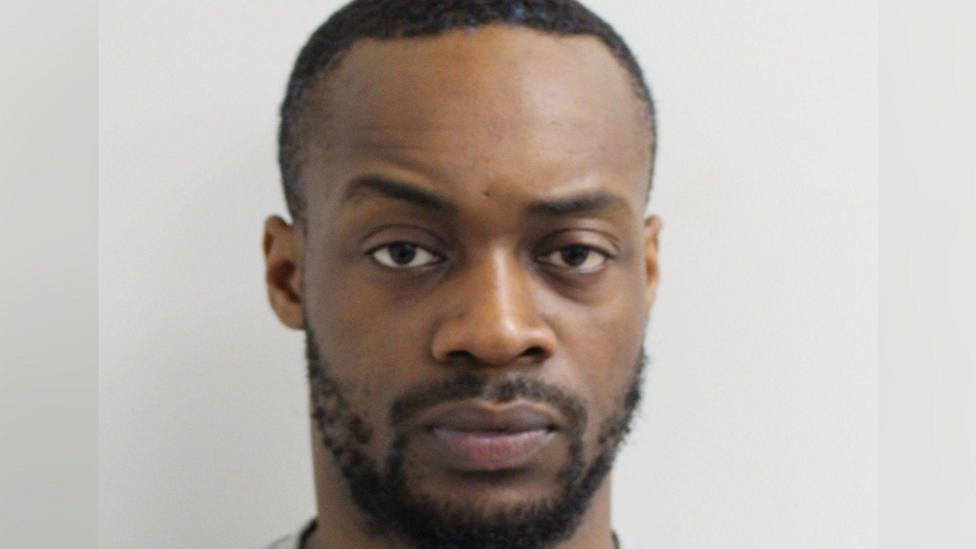
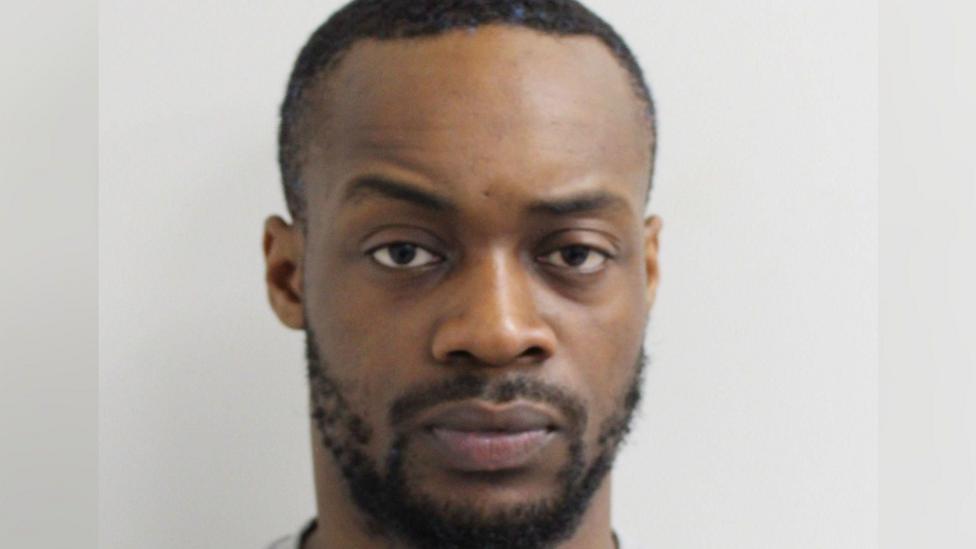 Image source, Met Police
Gogoa Lois Tape, 28, was also detained by hospital order after strangling his partner
 Image source, Family handout
Kennedi Westcarr-Sabaroche was killed in April 2024