The key facts
- About 20% of court-awarded compensation has been paid over three years; exact payment deadlines are not established.
- MIB data are contradictory: 85 victims and 78 billion soums in one statement versus 92 victims and 88 billion soums in another — a discrepancy of about 10 billion soums.
- The Ministry of Health does not maintain a unified registry of affected children and has not responded to journalists' requests since August 2026.
The Tragedy and the State of Payments
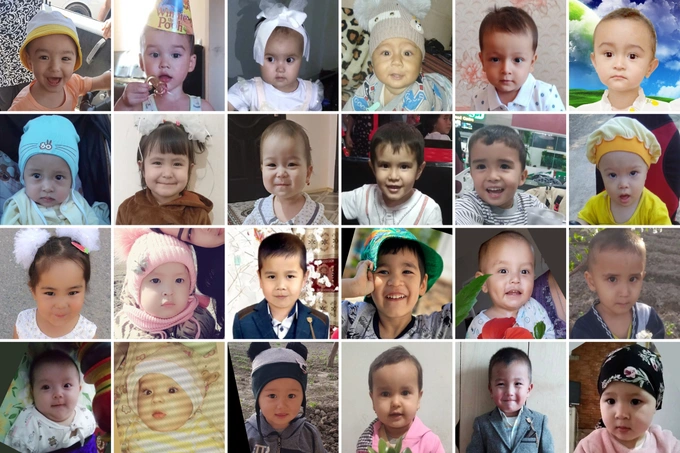
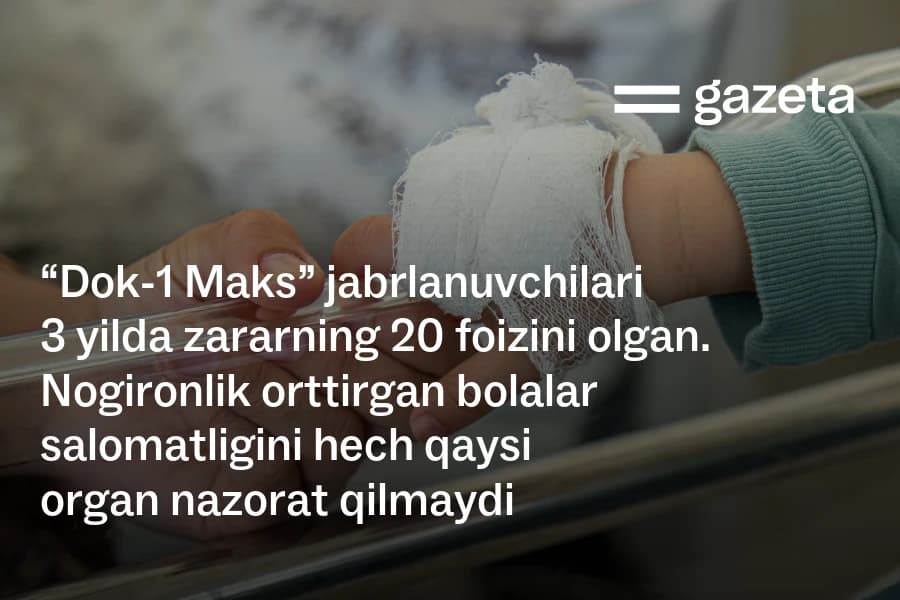
More than three years have passed since courts began awarding compensation to families of children who died or became disabled after taking Dok-1 Maks and Ambronol syrups. However, neither court documents nor legislation establish deadlines or a payment schedule. Enforcement has been assigned to the Bureau of Enforcement under the Prosecutor General's Office (MIB), and the process continues to this day. According to Gazeta.uz, only about 20% of the compensation has been paid over three years. The Ministry of Health does not maintain an open unified registry of affected children and has not responded to the outlet's official requests for three months.
The Topic Returns to the Agenda
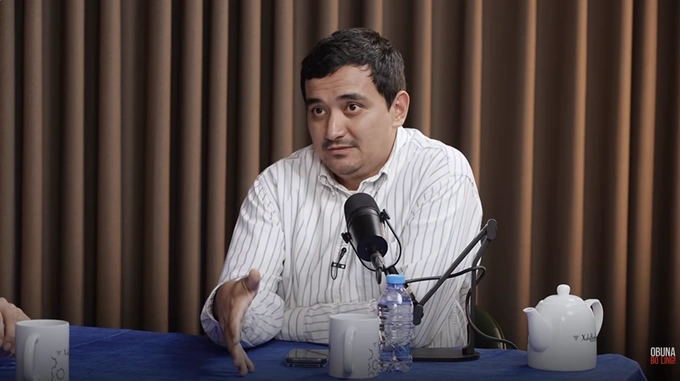
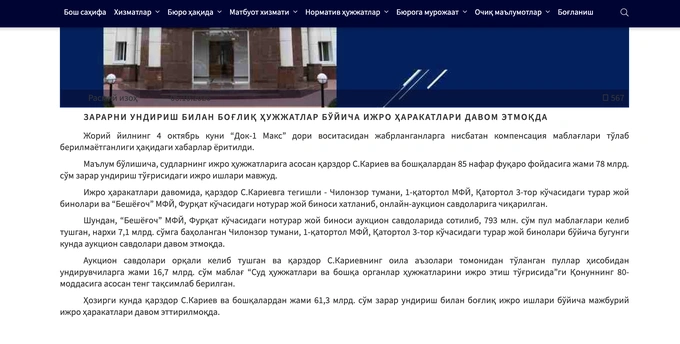
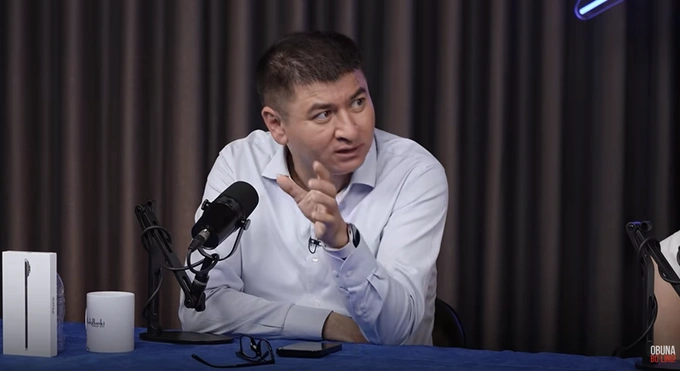
The topic was discussed again on social media in September 2026 after the award ceremony for the winners of the Chess Olympiad, and in October after the Lolazor podcast, where journalist Mukhrim Azamkhuzhaev called for speeding up compensation payments. Following this, on October 7, 2026, the MIB published a statement, which media outlets presented as '16.7 billion soums paid,' causing confusion among families: according to them, this amount had been paid in installments over several years.
Contradictions in MIB Data
Under the first verdict of February 26, 2024, 68 children died and 18 became disabled; later the number of victims and the amounts grew, but there is no official public reporting. The MIB statement of October 2026 says: collection of 78 billion soums in favor of 85 citizens, of which 16.7 billion has been paid, with another 61.3 billion expected. However, in February 2026 the MIB itself reported writs of execution for 92 citizens and 88 billion soums (Tashkent City Court — 86 people, 82 billion; Uchtepa District Court — 5 people, 5 billion; Karshi City Court — 1 person, 1 billion). The discrepancy between the statements is about 10 billion soums; the MIB did not answer questions. At the beginning of the year, the MIB reported collection of 16 billion soums, meaning the amount grew by only 700 million over nine months.
What Families Received: Card Data
According to bank statements provided by parents: the family of Shavkat Nurimov (compensation of 1 billion soums) received 218.7 million soums over three years; the family of Umida Tazhimuratova (500 million plus 22 million) — about 110.8 million; the family of Dinora Orinboeva (200 million) — about 39.6 million according to the mother's calculations; the family of Shahram Abatbaev (1 billion under the verdict of November 18, 2024) — about 193.8 million; the family of Bunyodkhon Nusurov (1 billion 199.3 million under the decision of the Karshi court, August 2025) — 229.3 million over two years. The MIB distributes collected funds proportionally among all victims.
Children's Condition and Treatment Difficulties
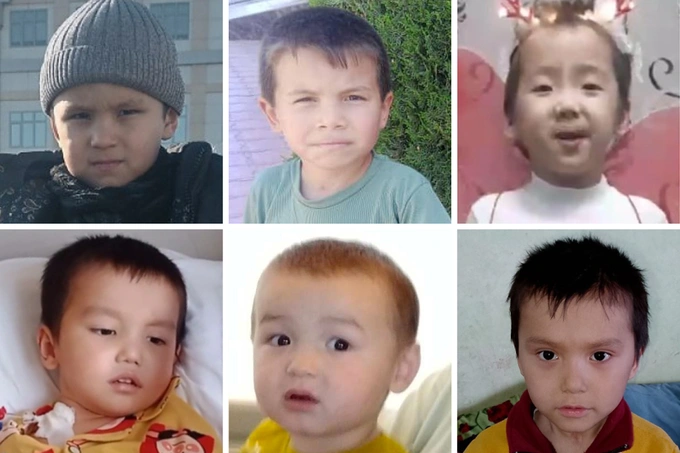
Surviving children suffer from kidney failure and damage to the brain and spinal cord. Families complain about the lack of quotas (processing takes up to six months or more) and the need to pay for treatment themselves — courses cost 10–20 million soums, trips to Tashkent cost over 20 million. The recommended massage for Umida Tazhimuratova costs 100 dollars per day and is not covered by the quota. Bunyodkhon Nusurov's mother reported the need for treatment in Germany at 165 million soums per procedure, but so far cannot take her son abroad. Parents sell property and take on debts to pay for treatment.
Positions of Agencies and Proposed Solutions
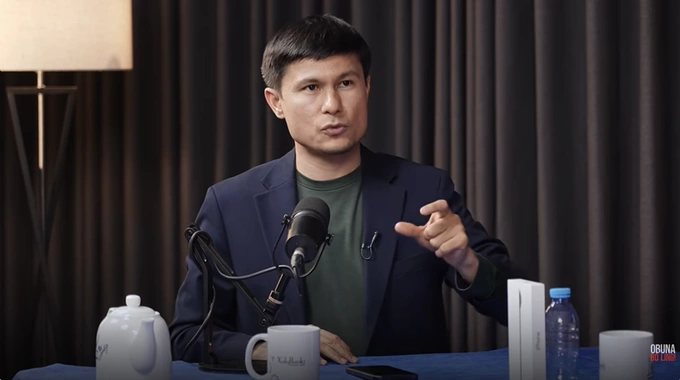
In August 2026, adviser to the Minister of Health Elmira Bositkhanova told a journalist that 'Dok-1 Maks is not a medical issue,' responsibility lies with the Pharmaceutical Agency, and the Ministry of Health cannot interfere in the enforcement of court decisions; she also said that doctors did not recommend the drug, although parents claimed otherwise in court. The contact details left with her did not work: messages and calls from the mother of a deceased child went unanswered, a call ended with the phrase 'this is not our business, we do not answer' and disconnection. Economist Otabek Bakirov suggested in the podcast paying compensation from the budget's reserve fund with subsequent recovery from those responsible. Lawyer Khushnudbek Khudoyberdiev referred to Article 55 of the Constitution and the law on compensation from territorial funds, which enters into force in February 2027; in the lawyer's opinion, there are no grounds not to apply it to earlier cases.