The key facts
- Sublimation has been held since 2024; the first two festivals gathered about 12–13 thousand guests, with about 40–50% being foreigners
- The budget of a quality festival with a headliner starts at $450 thousand; class-A artist fees reach €400–500 thousand
- Ticket sales do not cover all expenses: to break even, 3–4 thousand tickets need to be sold
Project history
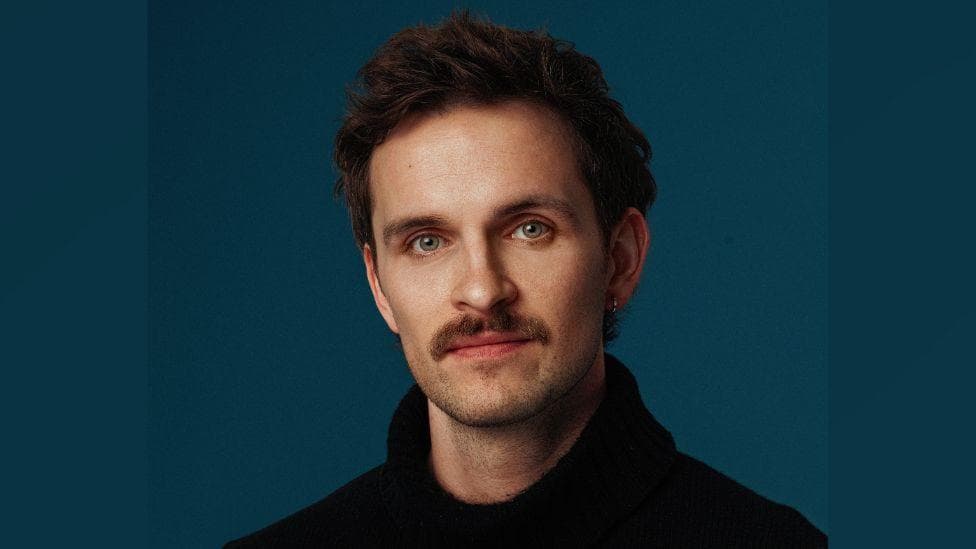
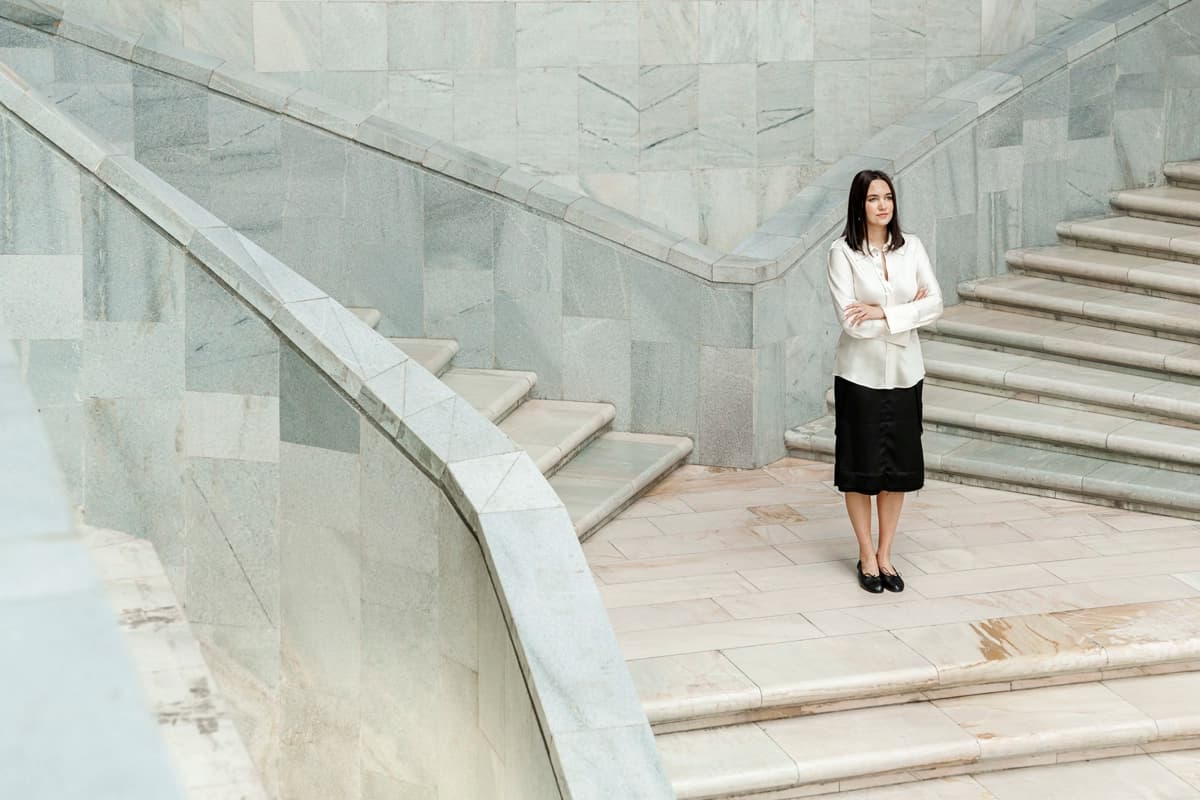
Since 2024, the Sublimation electronic music festival has been held annually in Tashkent. Behind the project is Sabina Inoyatova — a DJ, music producer, founder and music director of the festival. According to her, she graduated from the Tashkent Institute of Architecture and Civil Engineering, then moved to Riga, where she worked as an event organizer, art director and booker, while also starting to perform as a DJ under the name Sabinē. In 2021, she performed in Tashkent at parties of the Fragment collective, met the local community and conceived her own project — the name Sublimation is taken from psychology and means the expression of intense experiences through creativity. The first event under the brand took place in 2021 in Riga, in the port area, funded by Inoyatova's and her partner's personal funds. In 2022, Sublimation was held in Tashkent as a small event for insiders.
Boiler Room and recognition
Inoyatova spent a long time working to bring Boiler Room to Uzbekistan. In 2023, the project won a grant of 7 thousand pounds (about $8.5 thousand) and held Boiler Room at the Sun Institute in Parkent — according to Inoyatova, there are only two such structures in the world. The Boiler Room team, she said, was surprised that the event was organized on a minimal budget and invited her to a festival in Berlin. The set of local musician Yozef Tumari gained wide recognition, and his album last year entered Bandcamp's top-10 releases in the world. The first Sublimation festival took place in 2024 at the Aircraft Builders' Palace of Culture, the second, in 2025, at the Tashkent TV Tower, where a separate Boiler Room stage operated. The lineup emphasized local artists: makom singer Khayriniso Akbarova, Doppi Twins with a national tambour, and percussionist Gulomjon Mukhamedzhanov. According to Inoyatova, the festival made it into Resident Advisor's top-10 festivals in the world, was covered by Mixmag and DJ Mag, and Boiler Room's creative producer mentioned the project on Billboard. The two festivals gathered about 12–13 thousand people: more than 4 thousand in 2024 and more than 8 thousand in 2025. About 40–50% of guests were foreigners — 30% from Central Asia and the CIS, 15–20% from far-abroad countries; most often they came from Kazakhstan and Kyrgyzstan, as well as Russia, Turkey, Germany and the United Kingdom. Foreigners, she said, stay for 2–3 days and spend on average $700–1000 over the weekend.
The 2026 festival
This year, Sublimation took place at the Turkestan Palace of Arts, spread across three floors with two stages — 'Nur' and 'Turon', interactive LED screens and installations. Lighting was handled by the SILA SVETA studio, which, according to Inoyatova, has worked with Billie Eilish, The Weeknd, the FIFA opening and Coachella; one of its co-founders visited Sublimation in 2025, after which the collaboration began. Sound was provided by an L-Acoustics system, used at Tomorrowland and Coachella. The program featured collaborations between artists from the regions and Tashkent ones: the Khorezm women's ensemble Ojiza Izdoshlari, which creates instruments from everyday objects, performed with Doppi Twins, and Kokand's Loud373 performed with rapper SHAXLO. The band CREAM SODA also performed. Over two days, the festival gathered 8 thousand people. Inoyatova called this Sublimation the most interesting for her, but noted that the preparation was stressful and the team was very tired.
Organization and expenses
The core of the festival team is 6–7 people; during the year about 25–30 work on the project, and during the festival more than 100 people are involved, including volunteers, security and the technical department. Preparation starts with the concept, location and date, then the headliner is chosen: agreement can take three months or more, and major artists need to be invited a year in advance. Holding the event requires a permit: the project is submitted to a commission, and the National Guard, ambulance and firefighters are on duty at the festival. According to Inoyatova's estimate, a good festival with a headliner, sound and lighting costs about $450 thousand, and that is the starting figure. The most expensive part is the headliner. Young artists from neighboring countries cost from $2–3 thousand (with flights and accommodation), mid-level artists — $10–20 thousand, big names with world tours — from $50 thousand. Class-A artists, such as Black Coffee, Solomun and Peggy Gou, she said, require private jet flights in their rider — about $100 thousand in additional expenses, and the total price reaches €250–500 thousand; prices are rising: if an artist used to cost $25 thousand, the same one now costs $50 thousand. There are also logistical difficulties: the flight to Uzbekistan takes two days, and major artists want a second show in Tbilisi or Baku, which is hard to arrange.
Tickets and profitability
Ticket sales, according to Inoyatova, do not yet cover all expenses — the project attracts sponsors and sometimes trims the budget. Sublimation has been supported by Click since the first festival; Inoyatova noted that the company's co-founder and CEO Ulugbek Rustamov supported her in staying true to the original idea, when others advised going to a mass audience through well-known artists. To break even, an average of 3–4 thousand tickets need to be sold; prices are tiered — early ones are cheaper. Inoyatova noted a trend she said she had not seen anywhere else: in Uzbekistan, free tickets are often handed out, and the audience gets used to not paying. This year, student discounts and a '3+1' promotion were introduced — the fourth ticket free when buying three. She added that fellow promoters in other countries are surprised how a festival with such a program can exist at these prices.
View of the industry and plans
Inoyatova views the growth of Uzbekistan's music industry positively: there are more names and opportunities, and a community ready to help has formed. At the same time, she said, DJs are not yet taken as seriously, which affects fees, and she would like talented artists to earn more and audiences to get used to paying for a quality cultural product. The plans include holding festivals more often than once a year; the Sublimation Yurt project already exists, whose regional tour the team recently completed, as well as Sublimation To'y. Also, she said, another large-scale project is being prepared, which will be presented this year; details are not yet disclosed.