The key facts
- September: reserves down 0.2 million ounces (~6.2 t), totalling 72.8 million ounces — the lowest since late 2019.
- About 2 million ounces (~62 t) sold since December; the central bank has become the largest gold seller among central banks.
- Part of the gold goes to China: nearly 100 t via Hong Kong in January–July, triple the amount a year earlier (China customs).
Reserve reduction
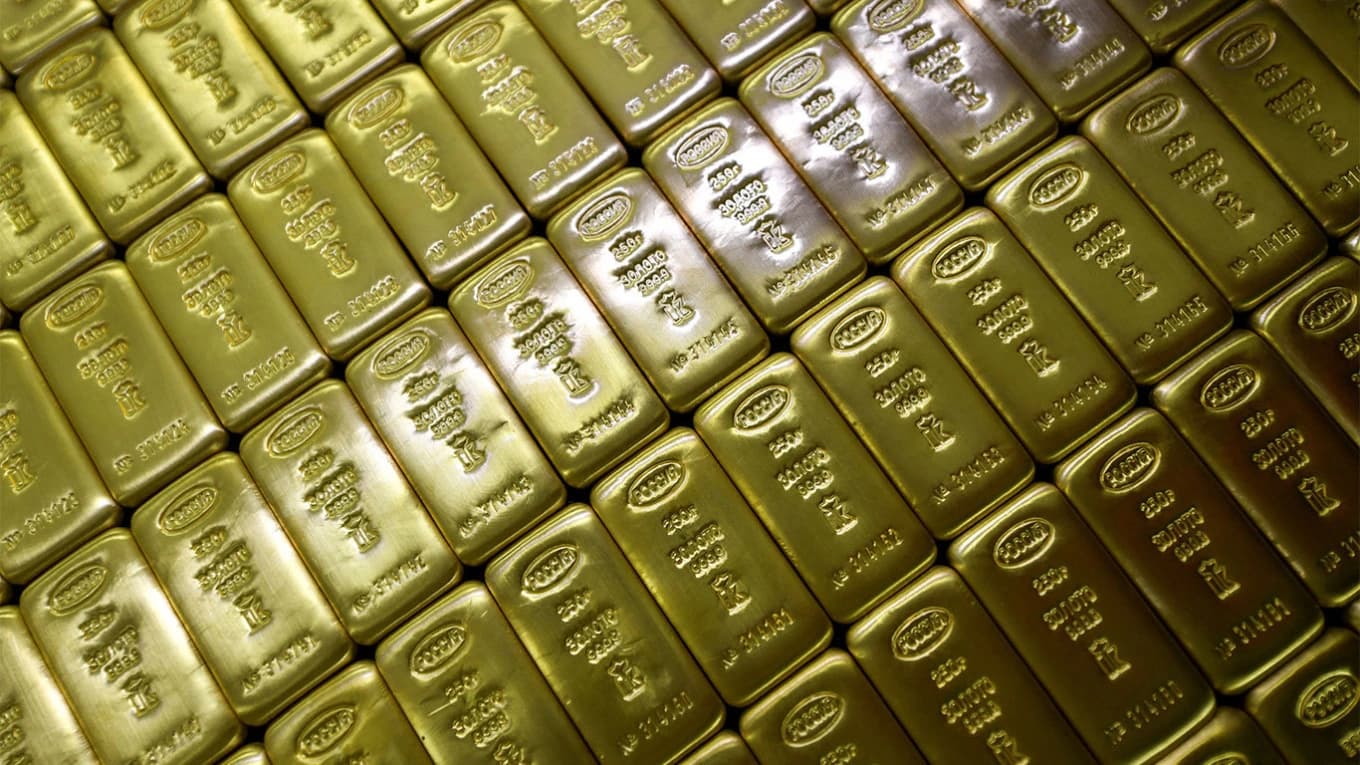
On October 20, the Bank of Russia reported that in September gold reserves fell by another 0.2 million troy ounces — about 6.2 tonnes. The total volume of reserves dropped to 72.8 million ounces, the lowest level since late 2019. Since the start of sales in December, which became the largest in recent decades, the volume of gold in reserves has decreased by 2 million troy ounces, or about 62 tonnes.
Comparison with 1998
According to International Monetary Fund statistics cited by Reuters, in modern history Russia sold gold faster and in greater volume only once — in 1998. Against the backdrop of the default, the currency crisis and the collapse of the pyramid of government short-term bonds (GKOs), the central bank sold 3.8 million troy ounces (118 tonnes) in three months. However, by the end of the year part of the bullion was bought back, and over the whole of 1998 reserves shrank by 1.6 million ounces (about 50 tonnes) — less than in the current year.
Long-term dynamics
Subsequently, the Kremlin consistently built up its gold reserves: since the late 1990s they have grown more than fivefold. By early 2022, reserves reached 74 million troy ounces (2.3 thousand tonnes), corresponding to fifth place in the world by volume.
Reason for the sales
The sales, which began at the end of last year and turned the Bank of Russia into the largest gold seller among all the world's central banks, are linked, according to Reuters, to the 'mirroring' of the Finance Ministry's operations with the assets of the National Wealth Fund carried out earlier.
Where the gold goes
Part of the Russian gold sold is sent to China, which this year has increased its purchases of the precious metal from Russia to a historic record. According to the General Administration of Customs of China, in January–July almost 100 tonnes of gold of Russian origin were imported into Hong Kong — three times more than in the same period last year. After the world's largest market in London was closed to Russian gold, suppliers redirected exports eastward. The Financial Times calculated that since the first year of the war, when the flow of gold from Russia to China rose sharply, precious metal worth $35 billion has been shipped out via Hong Kong.