The key facts
- More than 400 people fell ill between October 7 and 18, most of them children under four; no deaths have been recorded, with the peak of new cases (72) on October 13.
- Water from the Bronkhorstspruit plant showed high E. coli levels; the plant went three weeks without chlorinating water due to problems with its chlorine supplier.
- President Cyril Ramaphosa said the national government had intervened and expects to resolve the crisis within a few days.
Water may only be used for flushing
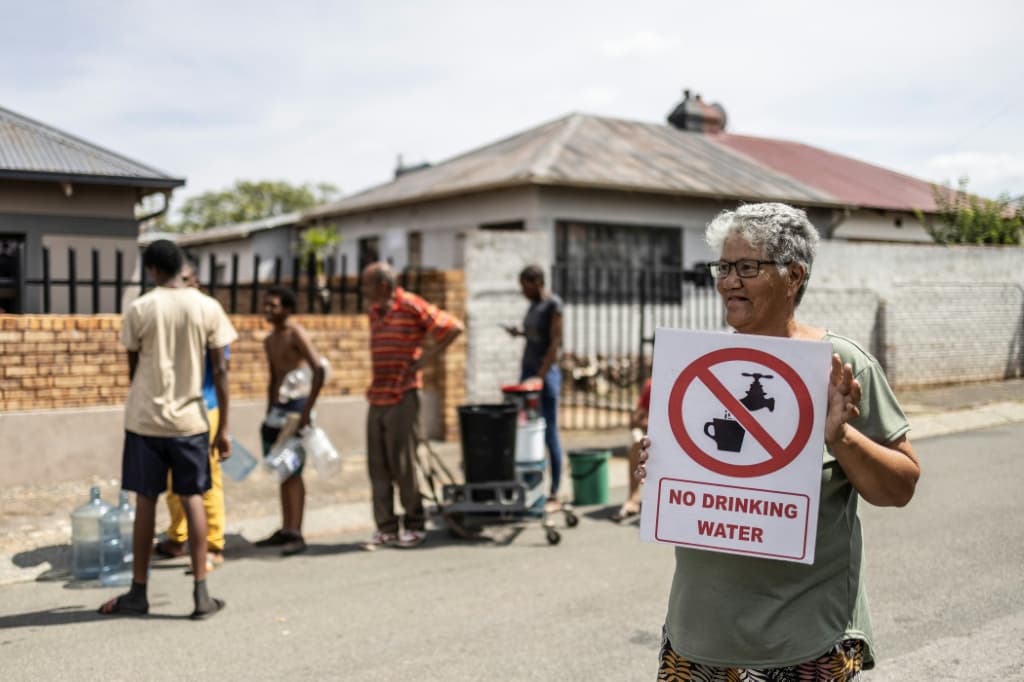
Residents of several areas of the City of Tshwane municipality, which includes South Africa's capital Pretoria, have been instructed to stop drinking tap water after hundreds of people sought medical help due to waterborne pathogens, the city administration said on Tuesday. According to the municipality, water may only be used for flushing toilets. Tests revealed high levels of E. coli in water from the Bronkhorstspruit water treatment plant, which supplies the affected areas. The presence of E. coli in drinking water may indicate contamination by sewage or other waste.
Pathogens and scale of the outbreak
Norovirus, campylobacter and shigella, which can cause stomach cramps and diarrhoea, were also found in patients' stool samples. According to the government, more than 400 people fell ill between October 7 and 18, most of them children under four years old. No deaths have been recorded; the peak of new cases — 72 — occurred on October 13, according to government data. The health ministry said on Monday: 'No cholera bacteria were found in the stool samples examined.'
Cause of the failure and authorities' response
According to the government, the Bronkhorstspruit plant operated for three weeks without chlorination due to problems with its chlorine supplier. President Cyril Ramaphosa said on Tuesday that the national government had intervened and hopes to resolve the crisis within a few days. 'We deeply regret that this has led to a gastroenteritis problem,' he said, adding: 'We cannot allow a situation where our people fall ill because of our failure to properly purify water.'
Context
South Africa, Africa's most industrialised economy, faces chronic water supply problems: decades of infrastructure wear and poor maintenance have pushed the system to its limit, and water has become a pressing issue ahead of local elections next month. In 2023, the same region was hit by a cholera outbreak that claimed about 30 lives.