The key facts
- The One Piece flag has been seen at protests in France, Belgium, Italy and Greece, and earlier in Nepal, Indonesia, the Philippines, Morocco and the UK
- The One Piece manga, published since 1997, has sold over 500 million copies in 40 languages and holds a Guinness record
- Euronews cites five examples of political use of pop culture symbols over the past 15 years
The pirate flag on the streets of France
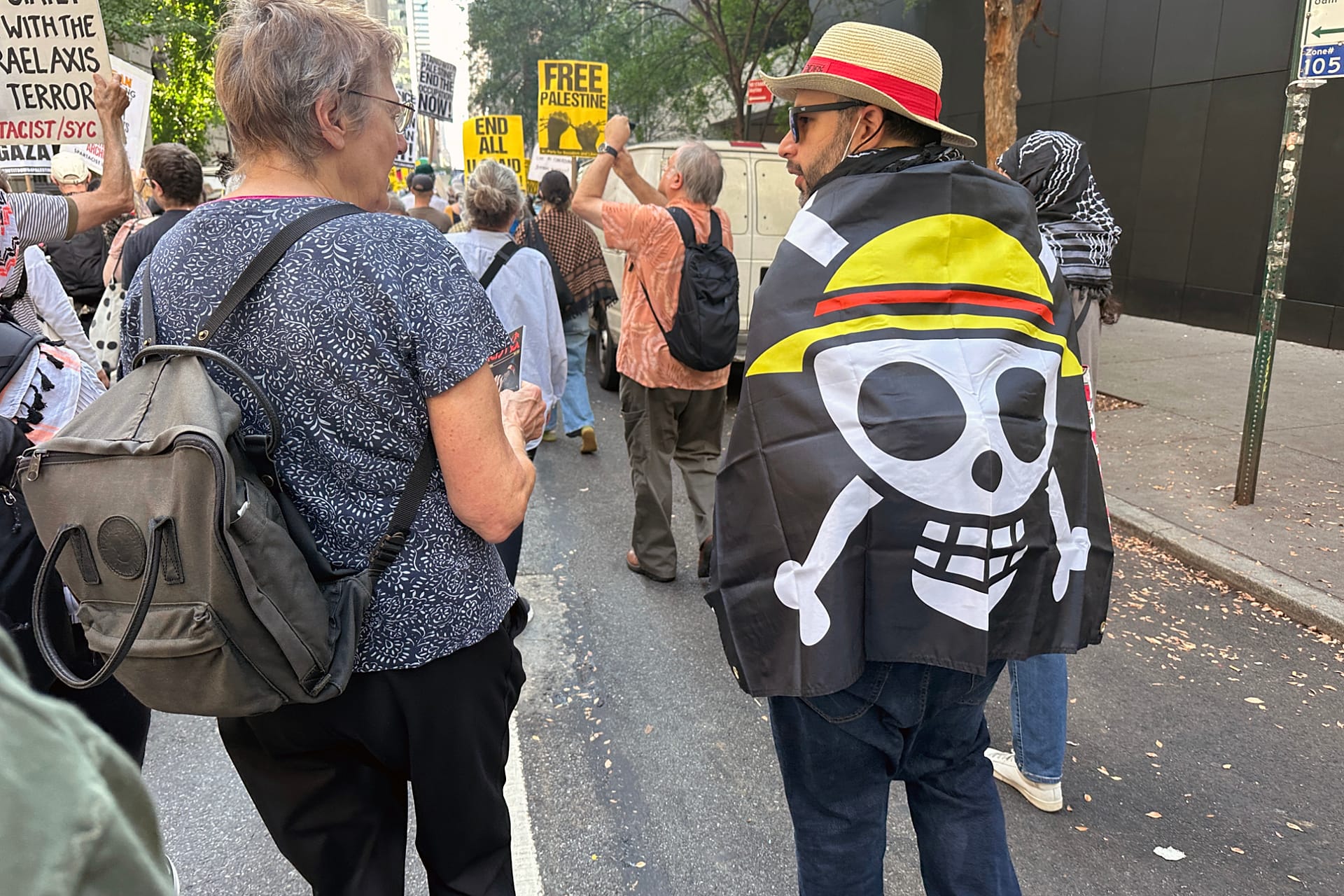
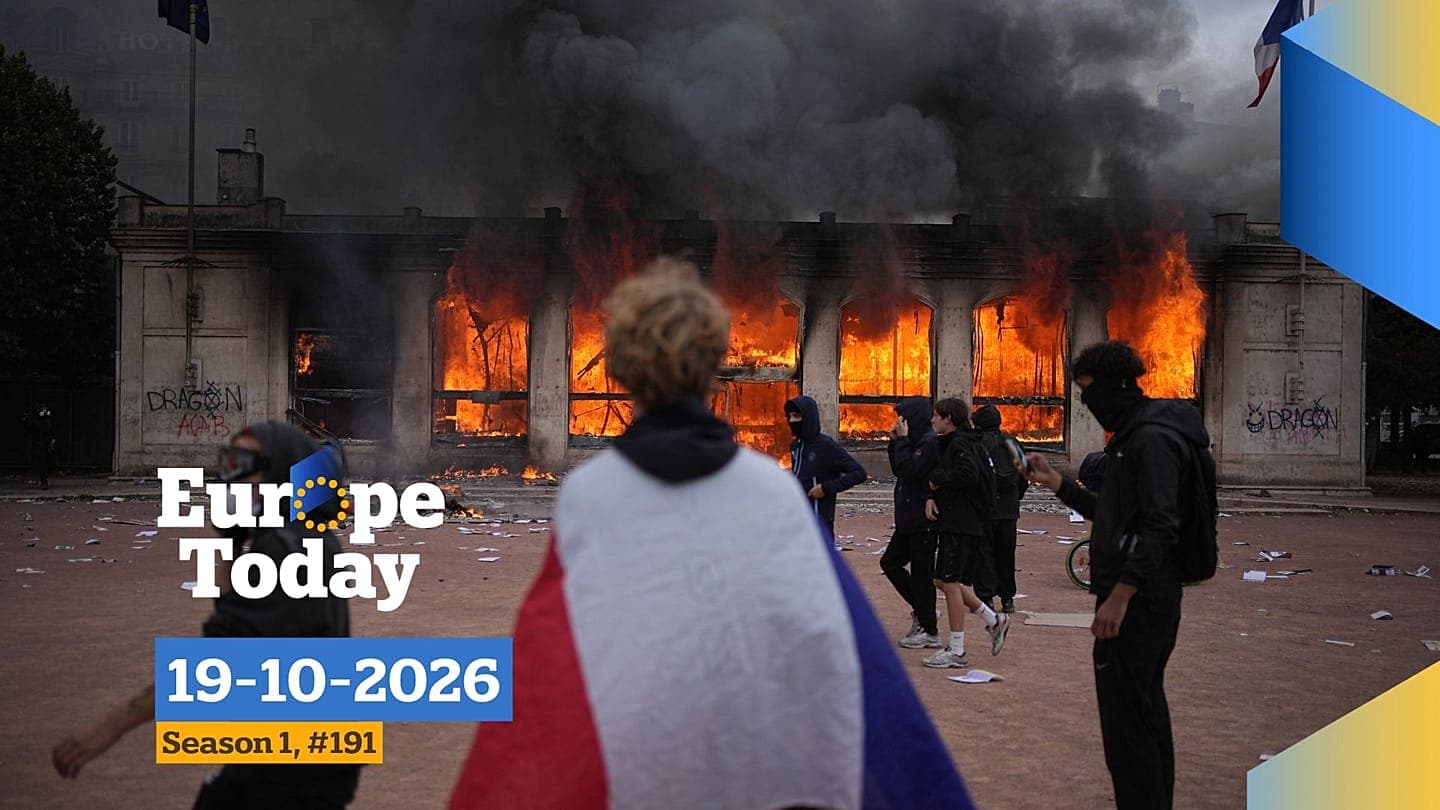
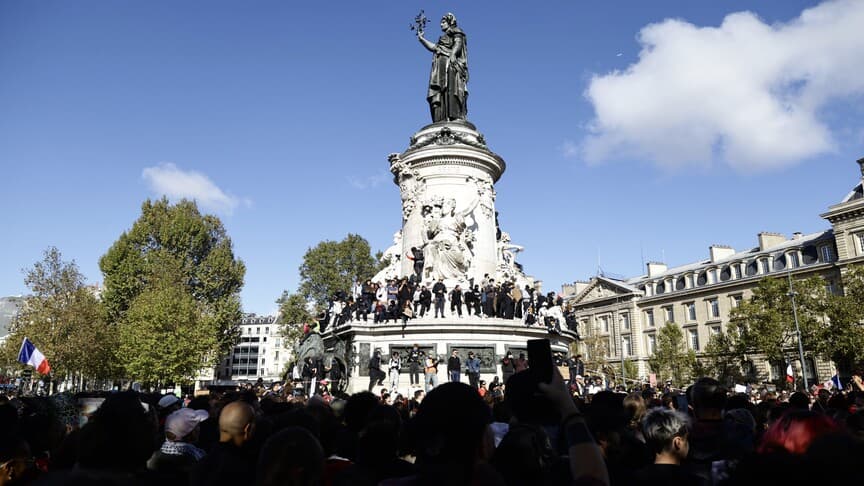
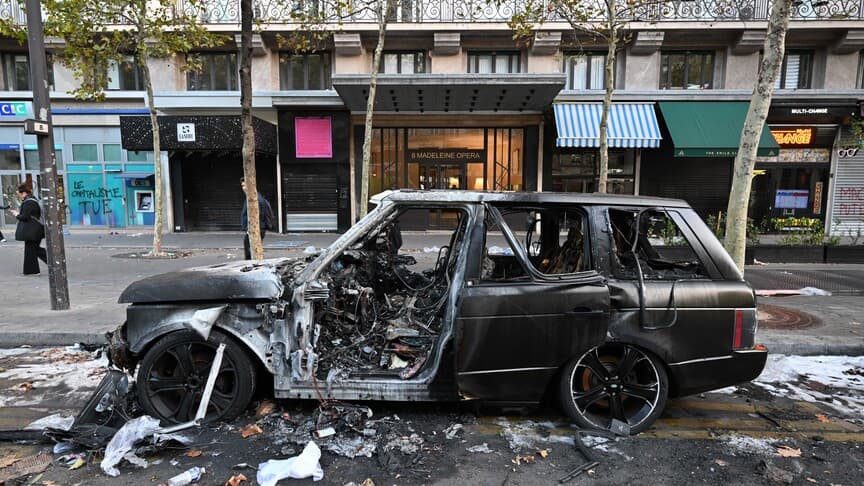
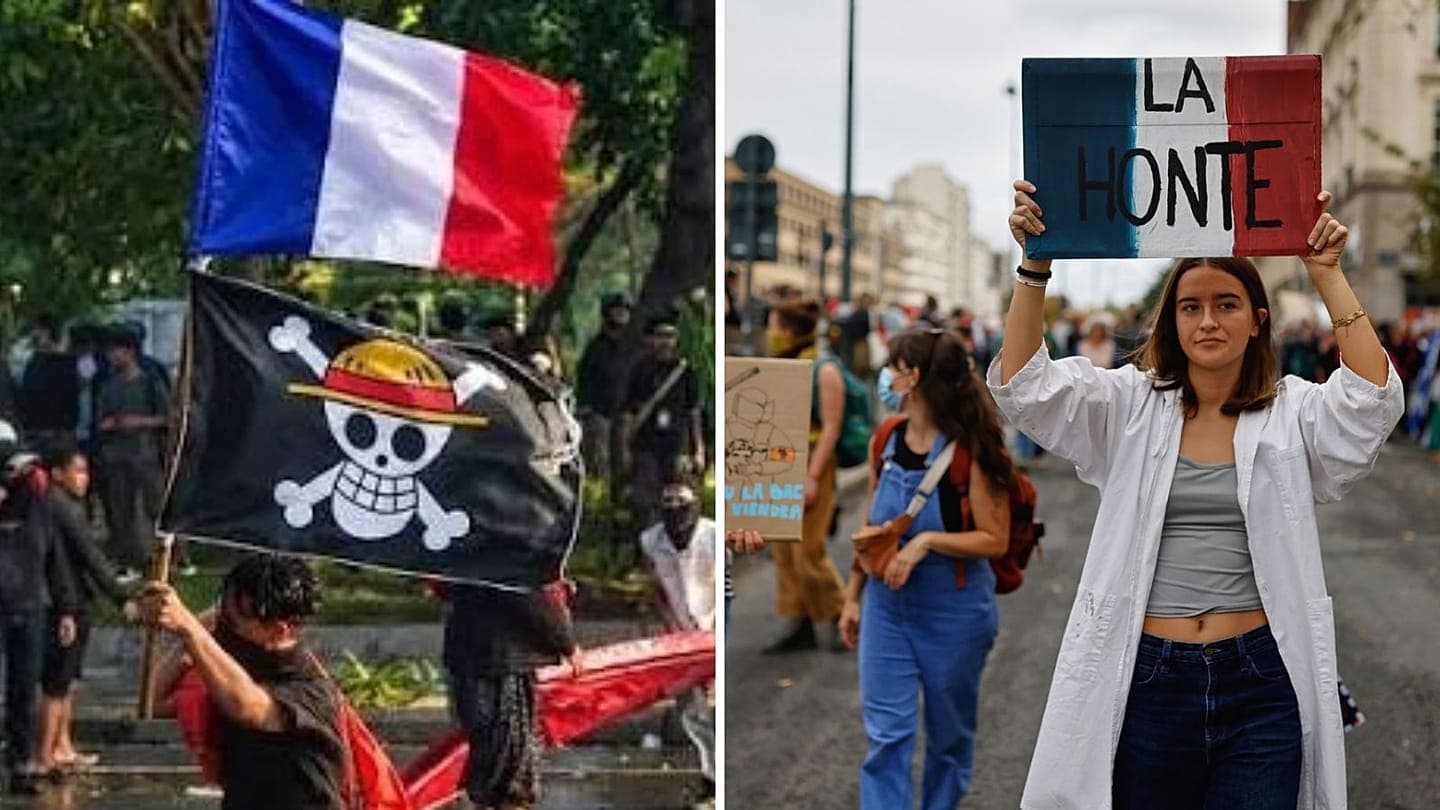
On the streets of France, among placards and slogans, a black flag with a smiling skull in a straw hat — the 'Jolly Roger' from the One Piece manga — is appearing ever more often. As Euronews notes, this iconography was already noticeable during last year's September protests, and has now reappeared at student actions and demonstrations across the country, as well as in Belgium, Italy and Greece. In recent years, the flag has been seen at protests in Nepal, Indonesia, the Philippines, Morocco, Italy and the UK. The outlet also mentions a protester with a One Piece flag in front of the UN headquarters on 26 September 2025, when Benjamin Netanyahu was speaking inside (AP photo).
Why One Piece in particular
One Piece is a popular Japanese manga by Eiichiro Oda about the Straw Hat Pirates, who defend the oppressed from cruel rulers and corrupt power. The manga has been published since 1997 — the year considered the start of Generation Z — has sold more than 500 million copies, has been translated into 40 languages and holds the Guinness record for the number of copies of a comic by a single author. It has been adapted into an anime series, a Netflix live-action series and several films. In France, the manga is extremely popular, and its volumes rank among the bestsellers. According to Euronews, the symbol resonated with Generation Z as a sign of defiance and hope: it unites participants of student protests, actions against police violence, demonstrations against social media bans and pro-Palestinian rallies. The transformation of fictional symbols into real emblems, the outlet notes, makes them harder for governments seeking to maintain an anti-authoritarian image to suppress.
Other examples: from Guy Fawkes to Pepe
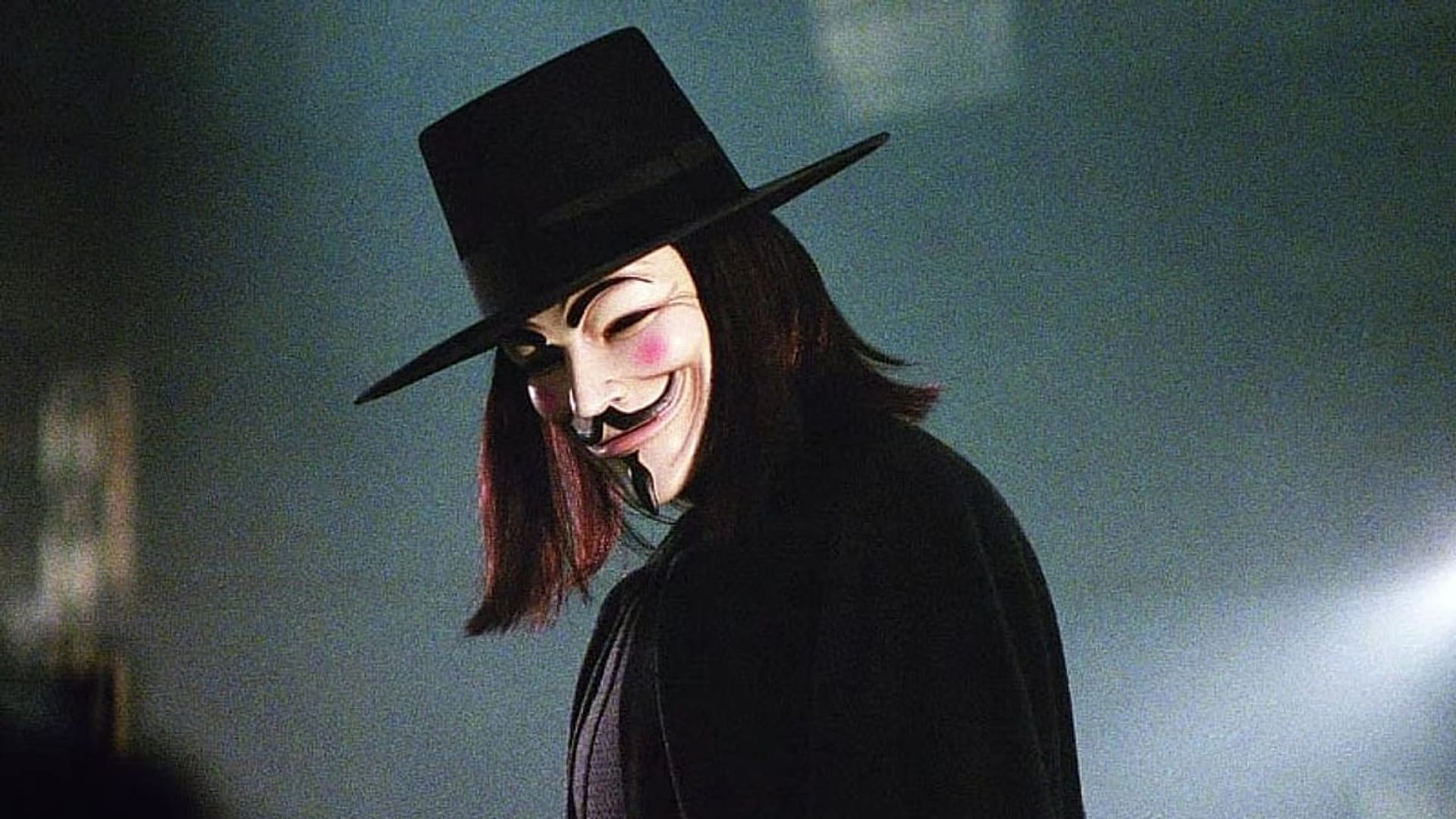
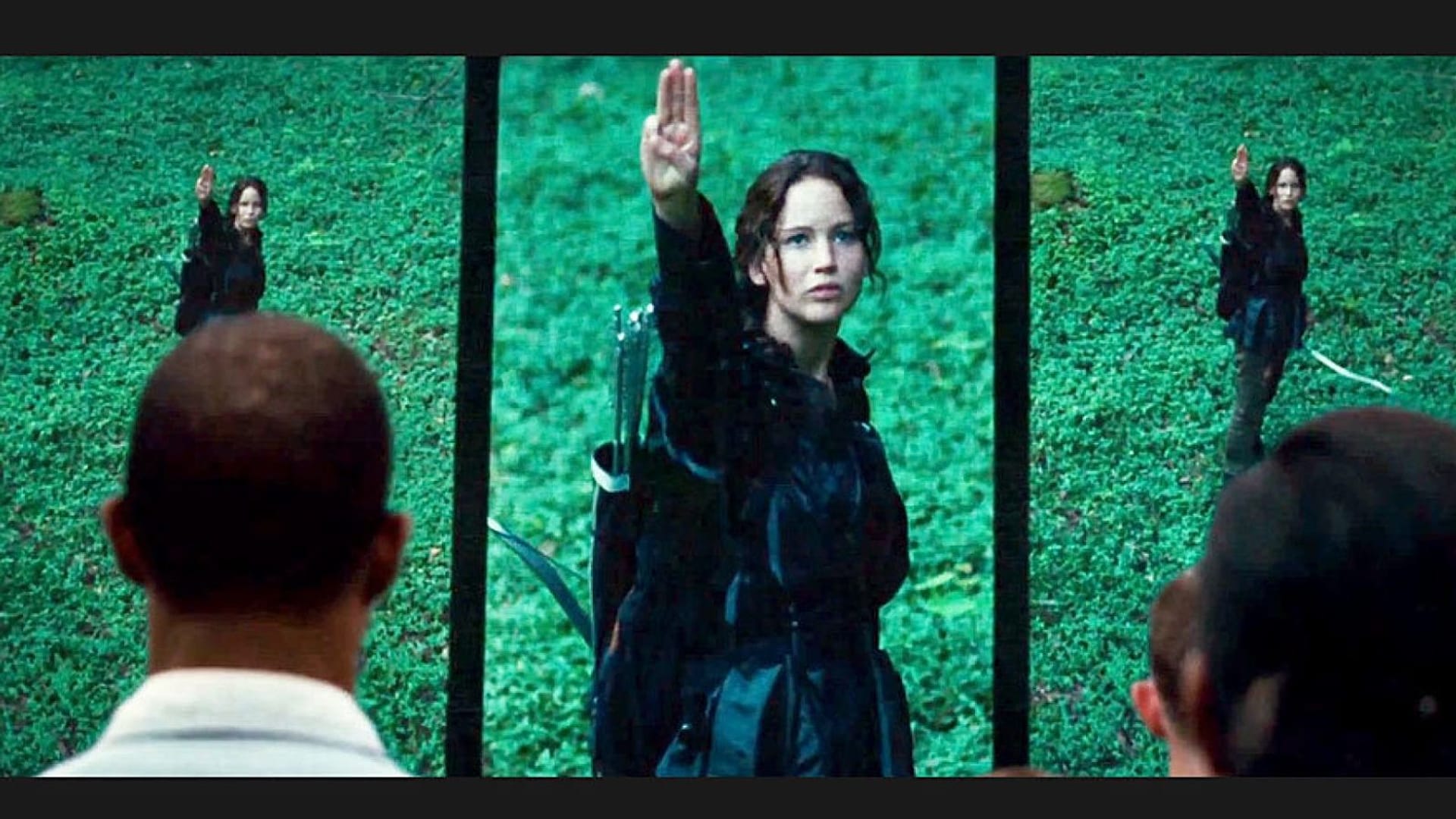
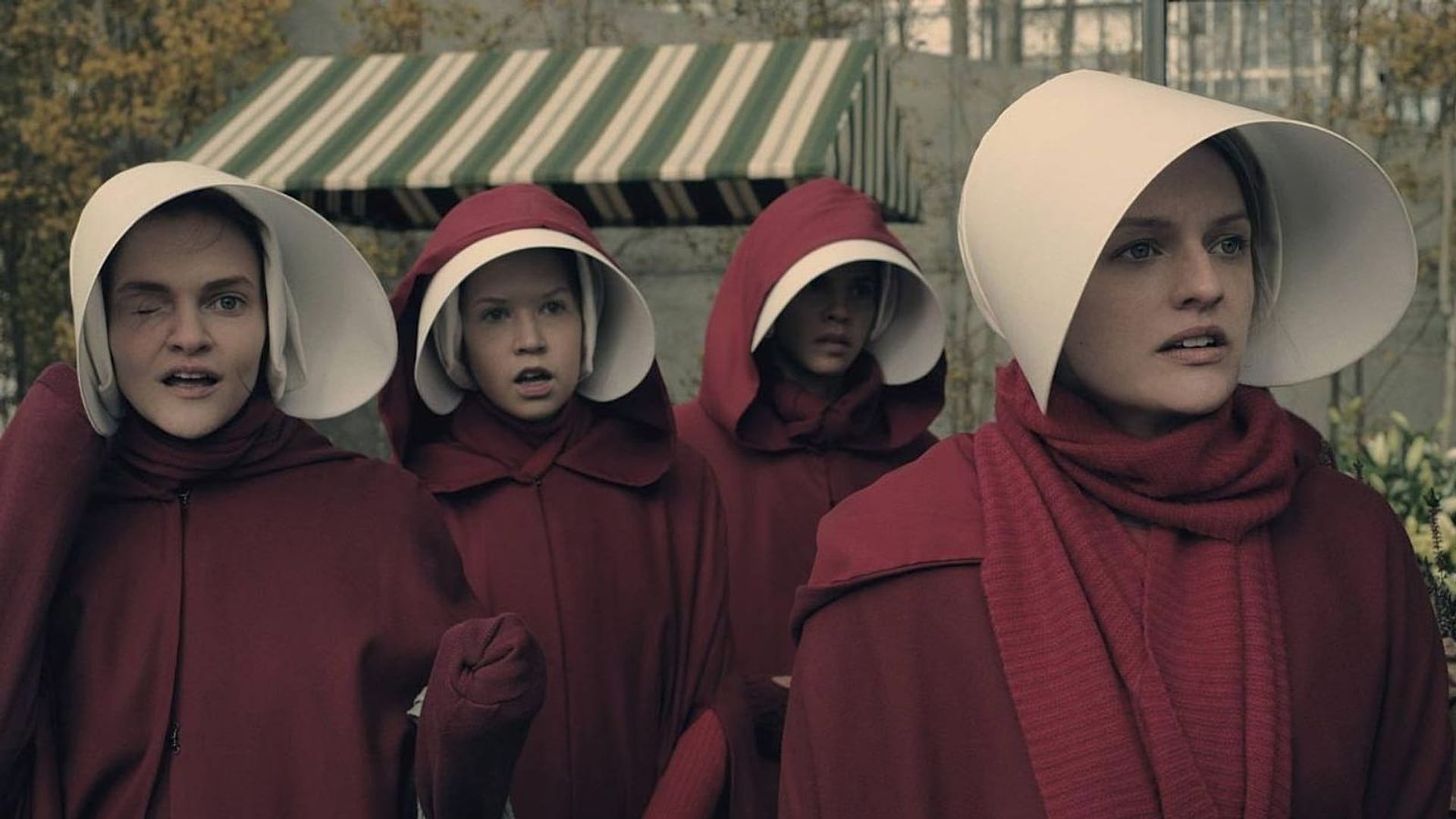
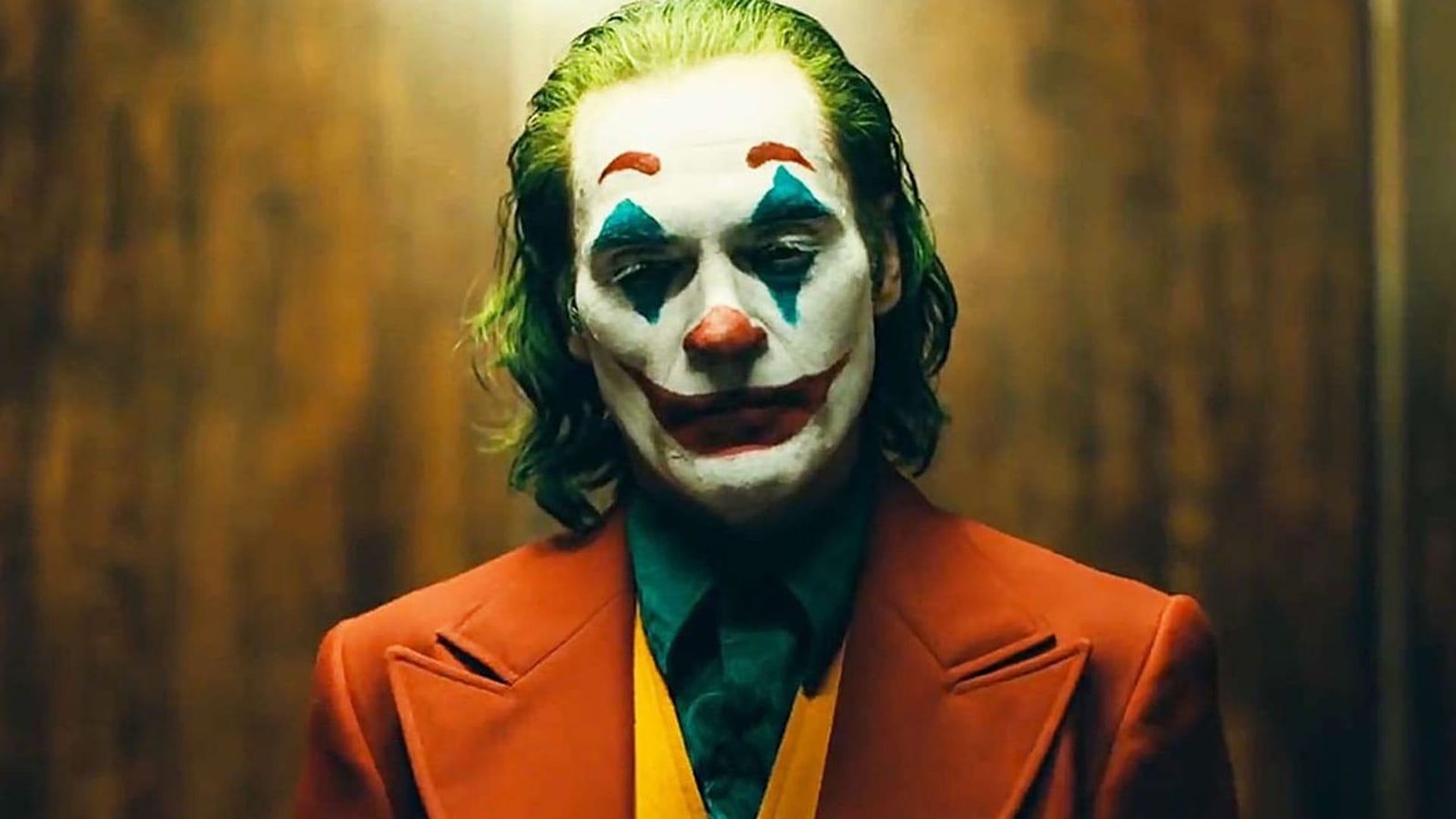
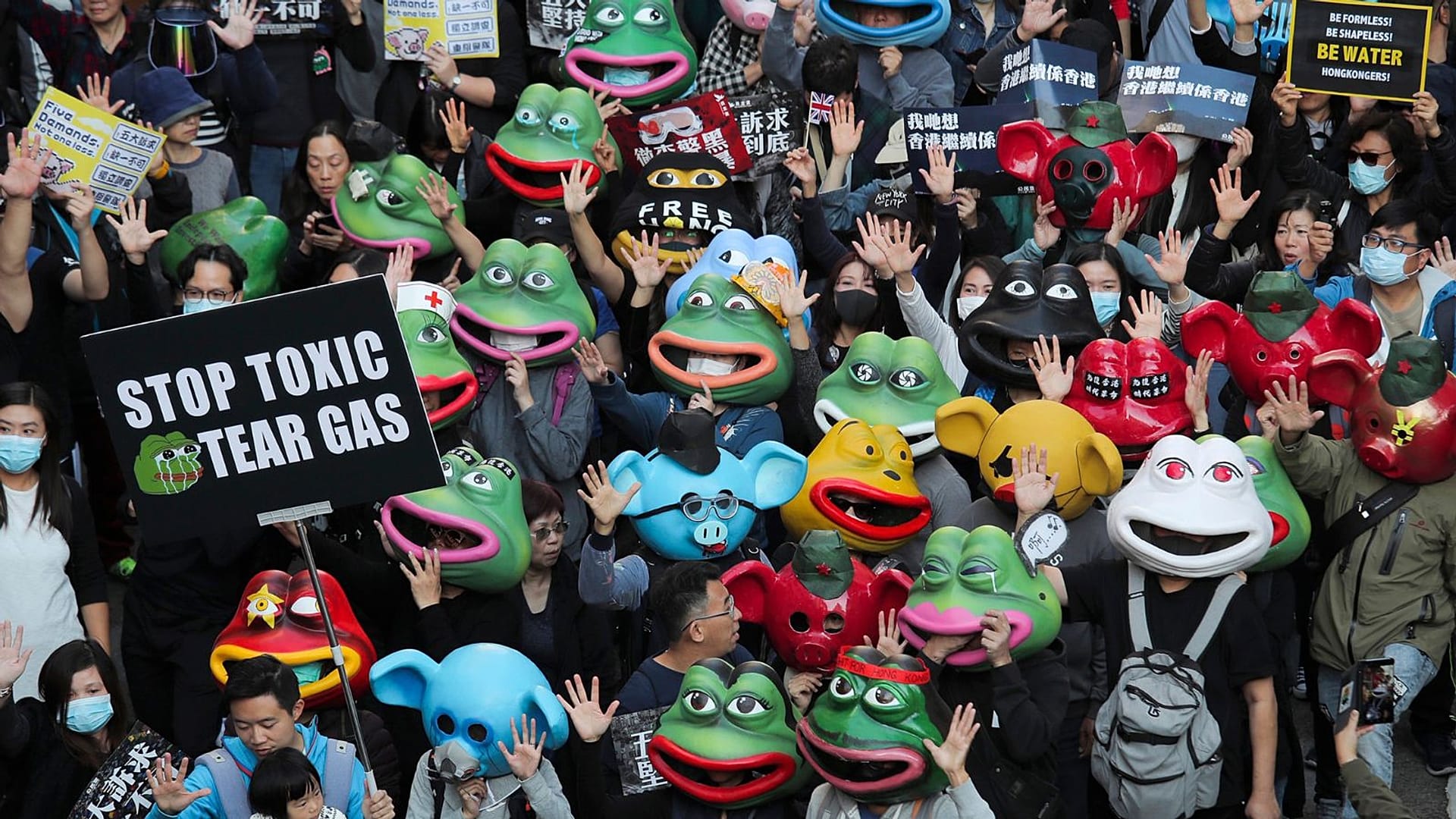
Euronews cites five examples of pop culture being used in politics over the past 15 years. The Guy Fawkes mask from the film V for Vendetta (2005) began to be used by Anonymous hacktivists to conceal their faces; it became widespread in 2011 during the Occupy movement. The three-finger salute and mockingjay pin from Suzanne Collins's The Hunger Games have appeared at protests since 2014 — from actions against the military coup in Thailand to demonstrations for universal suffrage in Hong Kong. In 2017–2018, women in the US took to the streets against anti-abortion legislation in the red cloaks and white bonnets from Margaret Atwood's The Handmaid's Tale; the costume later returned at rallies — from Argentina in 2018 to 2019 protests against Donald Trump's visits to the UK. In 2019, Lebanese protesters against austerity measures used makeup in the style of Joaquin Phoenix from the film Joker — a recognizable image providing anonymity and attracting attention. Finally, Pepe the Frog, created by Matt Furie in 2005, was appropriated by the alt-right and the MAGA movement — Trump posted a Pepe meme during the 2016 campaign. Furie wrote in an essay for TIME in 2016: 'It's completely insane that Pepe has been labeled a symbol of hate, and that racists and anti-Semites are using a once peaceful frog-dude from my comic as an icon of hate,' after which he 'killed' the character in a 2017 comic. Despite this, in 2019 participants of the pro-democracy protests in Hong Kong reinterpreted the image and reclaimed it.