The key facts
- Lithuania has begun consultations with NATO on revising drone interception rules, with completion expected in about a month
- The trigger was the explosion of a suspected Ukrainian drone that flew in from Poland; Kyiv apologized, reporting loss of contact with the UAV
- Current rules require visual identification of an object before using force, which is complicated by cloud cover and weather
Consultations with NATO on revising procedures
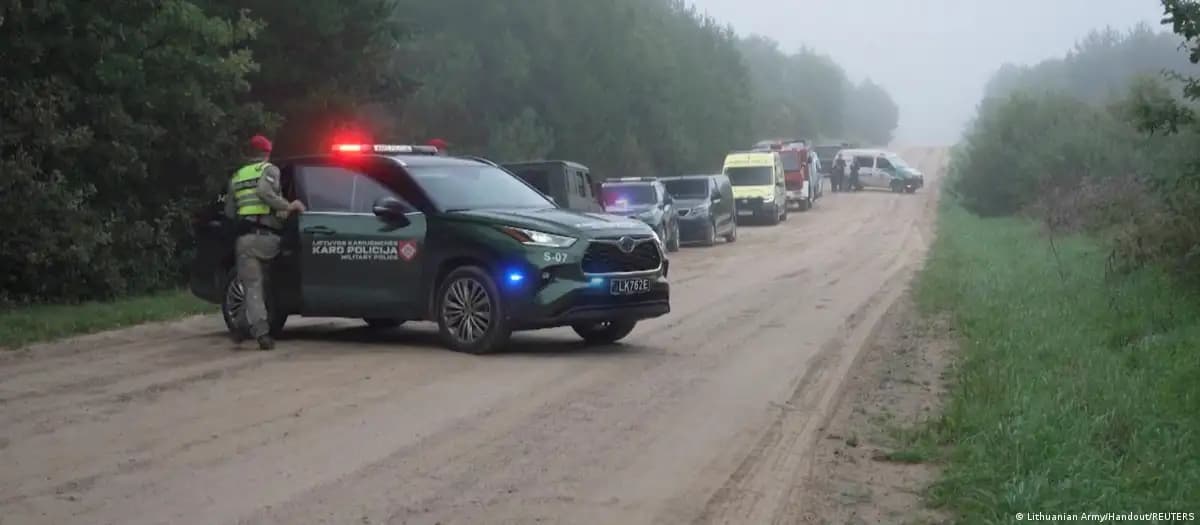
Lithuanian Prime Minister Mindaugas Sinkevičius said, according to broadcaster LRT, that the country has begun consultations with NATO on revising procedures for intercepting drones entering its airspace. The trigger was an incident on Sunday when a suspected Ukrainian drone crossed the border from Poland and exploded on Lithuanian territory.
The problem of visual identification
On Monday, Sinkevičius explained that current rules require fighter pilots to visually identify an object before using force, even if it has been detected by radar. Cloud cover and other adverse weather conditions may prevent pilots from confirming what exactly they are tracking. The Prime Minister also said that Lithuania will study the possibility of changing procedures to allow action based on radar detection without visual confirmation.
Timeline and possible powers
Sinkevičius expects the consultations to be completed in about a month. According to him, NATO may leave decisions on intercepting objects to the discretion of national authorities.
Circumstances of the incident
Lithuanian officials reported that the crashed drone was Ukrainian and carried explosive substances. Ukraine apologized, explaining that it had lost contact with one of its drones during an attack. The incident prompted Lithuania to review the response of its air defense forces and raised the question of how quickly the country can neutralize unidentified objects entering NATO airspace.