The key facts
- Lavrov stated that the US are 'at best competitors and at the very least adversaries,' not ready for fair competition.
- Trump suspended the application of the Graham sanctions law on October 16, but in Lavrov's view has not abandoned it for good.
- Medvedev earlier compared the Graham law to the Jackson–Vanik amendment and said Moscow–Washington relations are spoiled for decades.
Lavrov assessed the prospects of relations with the US
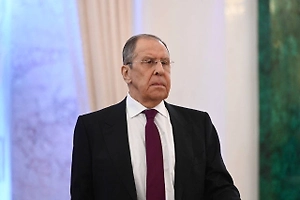
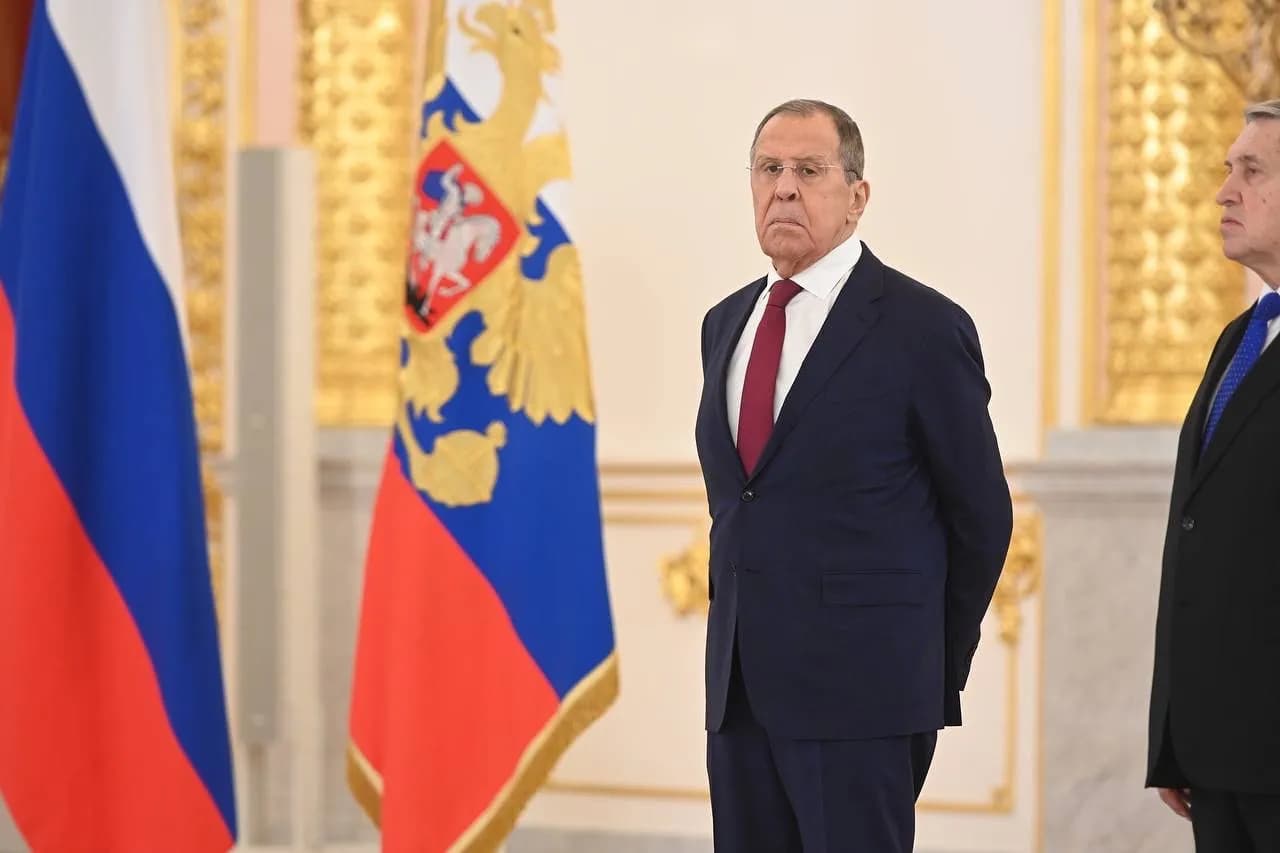
Russia does not expect a 'miracle' from Donald Trump's administration and views the US at best as a competitor, and at the very least as an adversary. This was stated by Russian Foreign Minister Sergey Lavrov at a meeting with university graduates newly admitted to the diplomatic service. According to him, American policy should be judged not by individual decisions of the White House, but by Washington's real actions, including statements by US Treasury Secretary Scott Bessent and Deputy Defense Secretary Elbridge Colby, as well as the methods the Americans use with Russia's partners in Africa and Latin America. 'We do not expect any miracle. We must proceed from the fact that these are our at best competitors and at the very least adversaries. They are not ready for fair competition,' Life.ru quoted the minister as saying.
Criticism of tariff policy and the sanctions law
As an example of an unfair approach, Lavrov cited the US tariff policy, which, in his assessment, destroys the established rules of international trade. He also criticized Washington for using economic restrictions and duties as a tool of pressure on other states. The minister separately focused on the sanctions law named after Lindsey Graham (included in the list of terrorists and extremists by Rosfinmonitoring), which allows imposing duties of up to 500% on Russian goods and up to 100% on goods from the largest buyers of Russian oil and gas.
Trump's suspension of sanctions: a temporary measure?
US President Donald Trump on October 16 suspended the application of the restrictions provided for by the law, citing the country's national interests. Lavrov, however, believes this decision should not be seen as a final abandonment of sanctions pressure: in his view, Washington has temporarily postponed harsh measures due to the situation on the global energy market and the upcoming US congressional elections. 'Some of us 'applauded' — supposedly Donald Trump refused to enforce this law. But he has not refused to enforce it,' the Foreign Minister said. He explained that it is currently unprofitable for the American president to provoke a new energy crisis, which is why Washington allows supplies of Russian diesel fuel despite political disagreements.
Warning about long-term risks
Lavrov warned that the sanctions law has no set expiration date: even if the current administration does not apply the restrictions, the next US president could reverse this position. 'And there is no need to admire the fact that Donald Trump has decided not to apply it for now for his own opportunistic, domestic interests. Another president will come — who knows how he will behave,' the minister concluded.
Context: the position of the White House and Medvedev
According to Life.ru, the White House previously clarified that introducing restrictions now could hinder Washington's efforts to settle the Ukrainian conflict, and administration spokesperson Taylor Rogers emphasized that new sanctions could complicate the negotiation process. Russian Deputy Security Council Chairman Dmitry Medvedev, for his part, called the Graham law a systemic anti-Russian act designed for decades and compared it to the Jackson–Vanik amendment, which restricted trade with the USSR and then with Russia for almost 40 years. Medvedev also stated that Moscow–Washington relations are spoiled for decades ahead and a change of American presidents alone will not eliminate the accumulated contradictions.