The key facts
- 500 military personnel with police powers will be sent to Milan after the weekend riots
- More than 270 people detained, about 80% of them minors; 14 police officers injured
- A package of measures is being prepared: detention up to 24 hours, deferred arrests, restrictions on assemblies
Military deployment and tough rhetoric
The Italian government on Tuesday, October 20, intends to approve the dispatch of 500 military personnel with judicial police powers to Milan after the weekend riots. Foreign Minister Antonio Tajani announced the decision at the Welfare Italia forum in Rome; according to ANSA, the measure will be part of a package of decisions by Giorgia Meloni's cabinet, which was planned to be approved later on Tuesday. Tajani promised to respond 'with great firmness' and said the package would include measures 'that will make it harder to commit crimes even for minors.' He stressed that peaceful demonstrations are legitimate, but those who 'destroyed the centre of Milan' are criminals, often without political motives, and added that it remains to be established whether there was some coordination behind the events. The announcement was preceded by a meeting at Meloni's with ministers and the leadership of the security services on Monday.
Chronicle of the riots
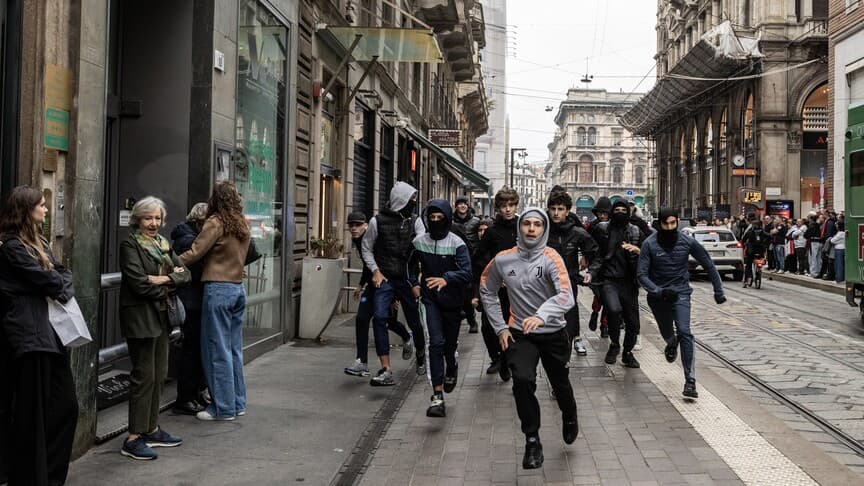
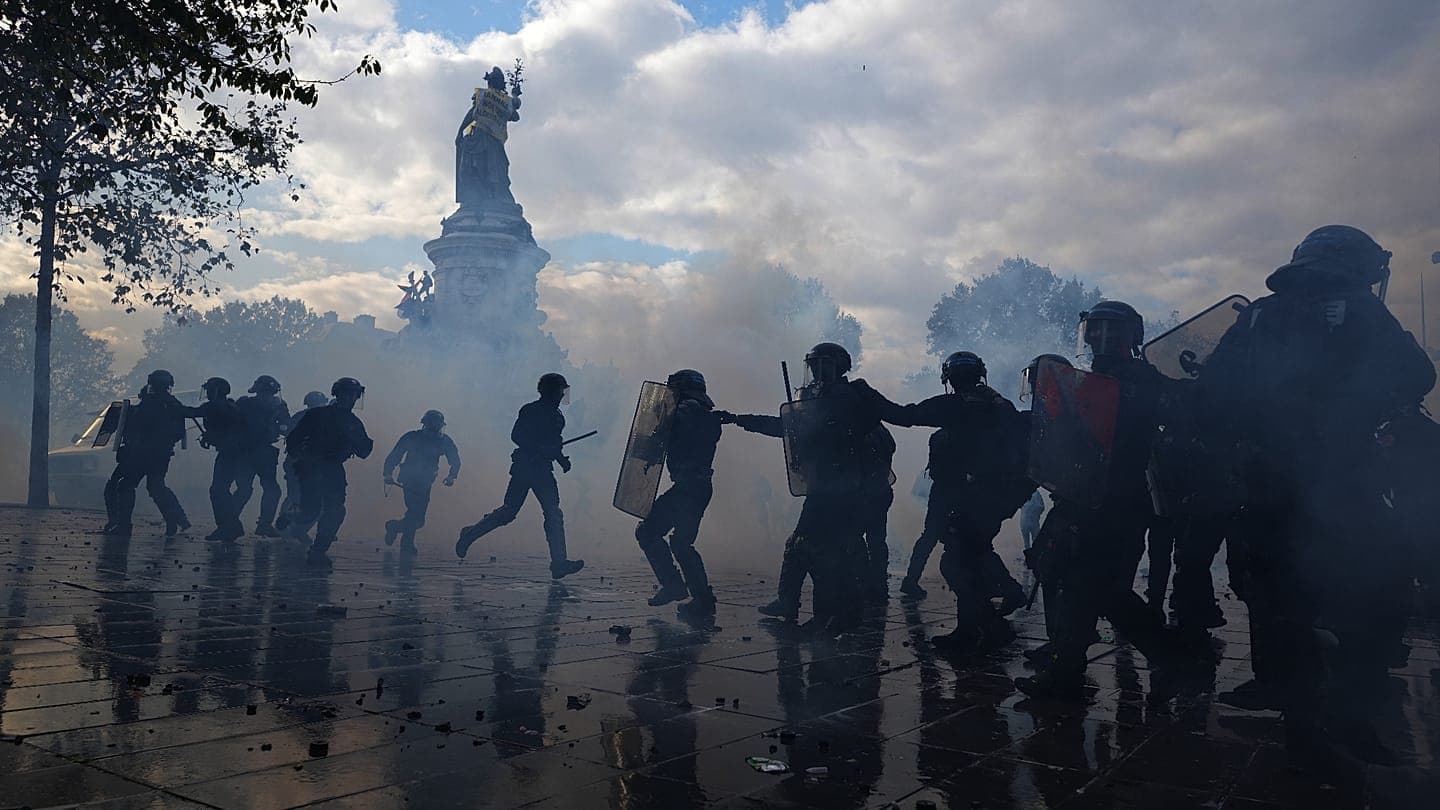
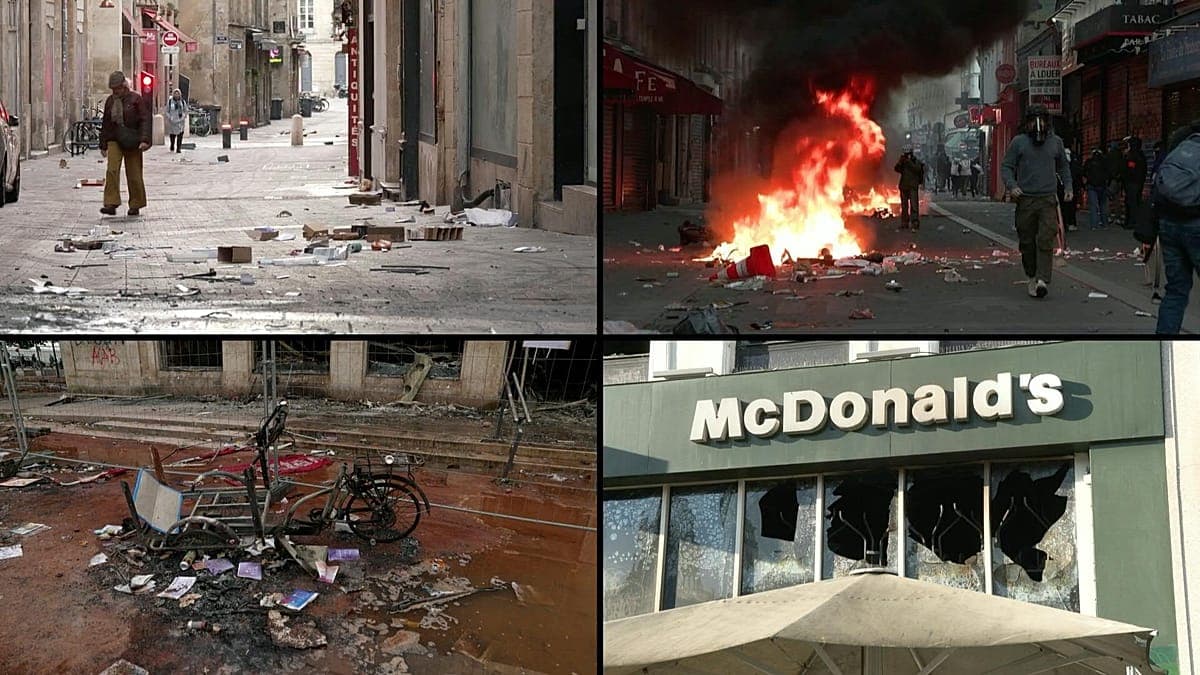
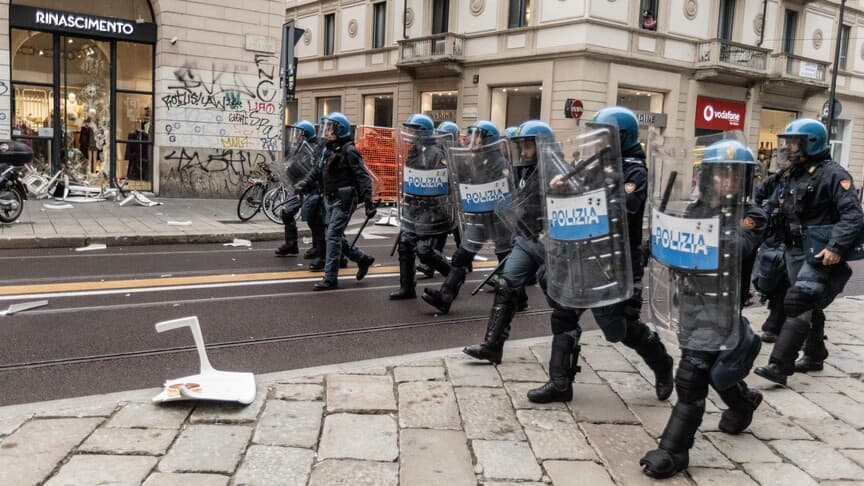
The unrest began on Saturday on the sidelines of a demonstration against the high cost of living and continued on Sunday. Groups of young people smashed shop windows and looted stores and supermarkets. According to sources, clashes with police also took place in Turin and Bologna; euronews links the protests to a wave that has swept France in recent weeks. In Milan, 14 police officers were injured by stones, bottles and flares; more than 270 people were detained, about 80% of them minors.
Measures under consideration
According to euronews, among the solutions under consideration: extending the maximum preventive detention period from 12 to 24 hours, extending it to minors subject to legal conditions; deferred arrest in flagrante based on photo and video evidence, which is proposed to be extended to group damage; banning attendance at assemblies for persons deemed a threat to public order, including those known from the 'mala movida'; tightening the prefect's (questore's) verbal warning and the rules on road blockades and attacks on officials. The creation of a separate criminal offence for organising or participating in organised violence at protests is also being discussed, possibly through the article on criminal association. the Lega (Northern League) demands mandatory arrests for pogroms and allowing deferred arrests within 48 hours.
Criminal sanctions and minors
The security bill, already under discussion in the Senate, provides for punishment for damage caused by a group of at least five people — up to five years in prison and a fine of up to 15,000 euros; the government may postpone or revise these provisions in a new decree. The package may strengthen the juvenile justice system: members of the ruling coalition are calling for increasing the staff of juvenile courts and places in detention facilities. Also under discussion is tightening administrative sanctions for parents whose children take part in violent incidents, and making it harder for young foreigners convicted of serious crimes to obtain Italian citizenship — however, according to euronews, the latter initiative, promoted by the Lega, is not among the confirmed measures of the decree. The final composition of the measures remains uncertain.