The key facts
- More than half a million first-time voters could influence the election outcome; a Yedioth Ahronoth poll: 16%+ will support far-right parties
- A Channel 12 poll: nearly 75% of young people consider themselves 'right-wing or centre-right'
- Analyst Dahlia Scheindlin: youth have been right-wing for 20 years in a row, not only after October 7
Young voters and the far right
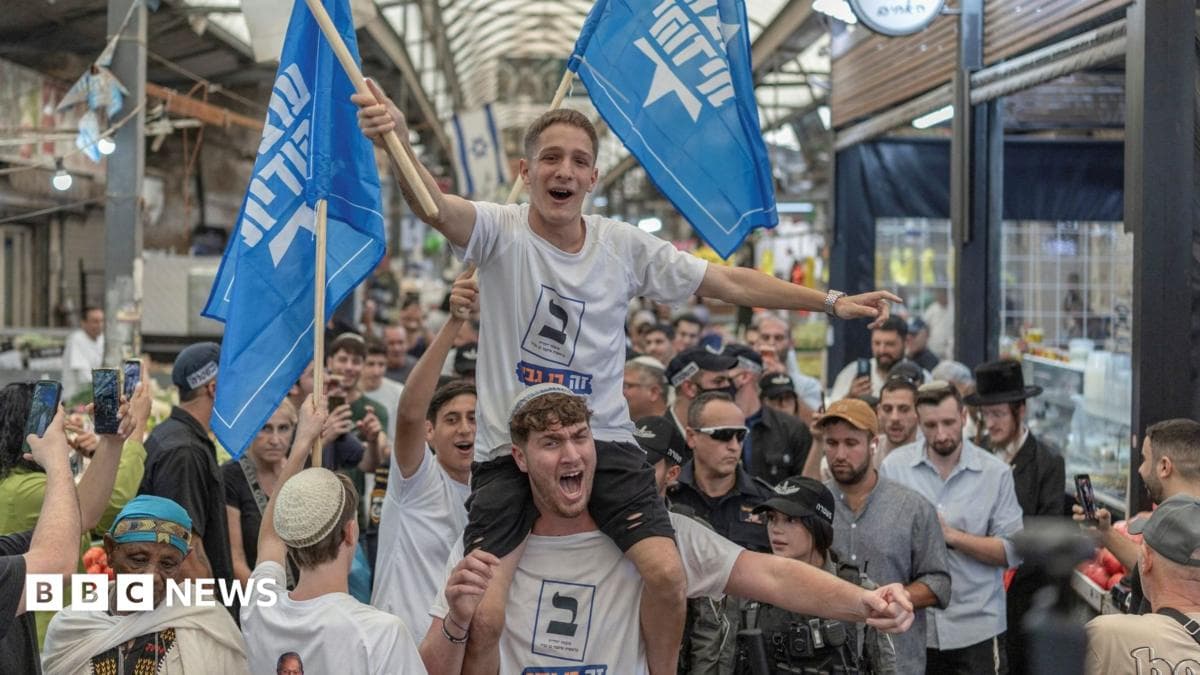
Ahead of Israel's general election, which many Israelis see as existential for the country's security and identity, more than half a million first-time voters could play a decisive role. A poll for the newspaper Yedioth Ahronoth shows that more than 16% of them plan to support the far-right parties — Itamar Ben-Gvir's Jewish Power or the Religious Zionism party of his ally Bezalel Smotrich. According to a Channel 12 poll, nearly three-quarters of first-time voters consider themselves 'right-wing or centre-right'. Polls predict an even contest between the two blocs — supporters and opponents of the government.
Why young people support Ben-Gvir
Young supporters of the national security minister explain their support by a sense of security. 'Itamar Ben-Gvir gives me a feeling of being protected,' said 20-year-old Mordechai, adding that the politician's 'gaffes' do not matter. 18-year-old Nadav believes Ben-Gvir 'is trying to show that Israel is a strong country'. 23-year-old Meir Schreiber said the Hamas attacks of October 7, 2023 convinced him of the correctness of his choice: 'Young people understand that peace is not something we can achieve'.
A long-term shift, not just October 7
Political analyst Dahlia Scheindlin, who previously led Israeli campaigns, noted that young Israeli Jews have been further right than the country's average for about 20 years and 'significantly further right' than the 55+ group on many indicators. According to her, they grew up amid a series of wars without personal experience of peace-making efforts and were socialised to perceive extreme formulations — annexation, settlement expansion, and after October 7 the annexation of Gaza as well — as legitimate for discussion.
Ben-Gvir's positions and criticism
Ben-Gvir is a 'destructive candidate in a divided country': his positions include the annexation of the occupied West Bank, Jewish settlements in Gaza and the 'voluntary emigration' of Palestinians, which is condemned by liberal Israelis. Several Western countries have imposed sanctions or entry bans on him and Smotrich for incitement against Palestinians. Both are influential ministers in Benjamin Netanyahu's coalition. In the mixed city of Ramle, some merchants greeted him with sweets, others with unfriendly looks; one vendor said Ben-Gvir 'sows discord' and his message 'affects young uneducated people'. At a student event in Tel Aviv, Ben-Gvir was interrupted by protesters shouting 'Fascism will not pass' and forced to leave the stage.
The opposition and social media
The opposition is attracting young voters with warnings about threats to democracy, new social media videos and young candidates. 24-year-old Jonathan Shalev, a candidate for the centre-right party 'Beyahad' ('Together') of former prime minister Naftali Bennett, noted that in the 2022 election only 59% of citizens voted in Tel Aviv, whereas in areas supporting Ben-Gvir it was about 90%. According to him, Ben-Gvir understood the power of social media earlier than others: three months ago he led in views and likes on TikTok and Instagram, but now Bennett is ahead, whose page includes weightlifting videos set to rap. Even Netanyahu released a fast-paced militaristic clip set to heavy beats. 'Young people in Israel do not watch the news and do not read newspapers — they get all their information from TikTok and Instagram,' said Shalev.
A divided youth
The poll that showed 16% support for the far right among first-time voters also indicated that 'Beyahad' would receive almost 9% of their votes, as would the centre-right 'Yashar' party of Gadi Eisenkot. More than 80% of first-time voters intend to come to the polling stations, but, according to research, they are more sceptical about democratic institutions and less involved in protests and petitions. Satirist Lior Schleien filmed a series of classroom debates in which he challenges the racist views of young Israelis; in one of the videos a student advocated killing all Arab citizens of Israel — that clip was later removed from Schleien's website. Young voters, like the country as a whole, remain divided over who is the guarantor of Israel's security and identity, and who is an existential threat.
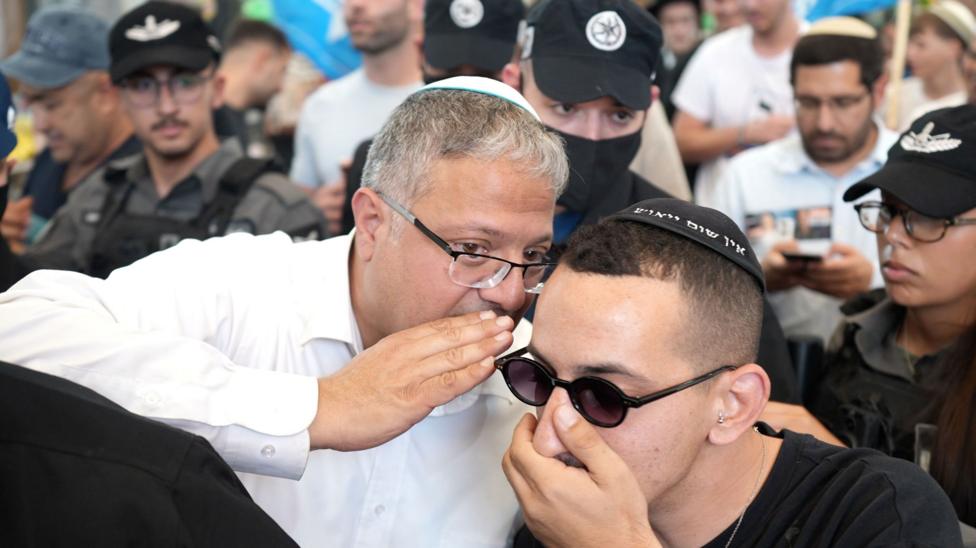
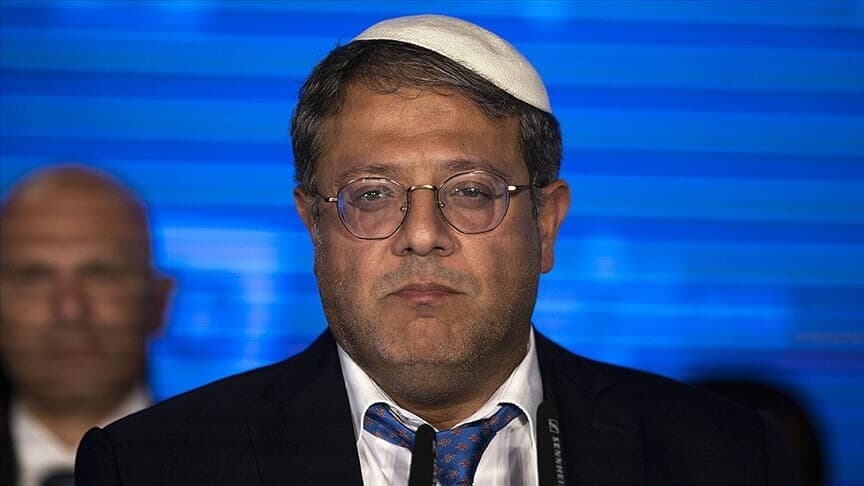
Far-right minister Ben Gvir (left) has significant support among Israeli youth
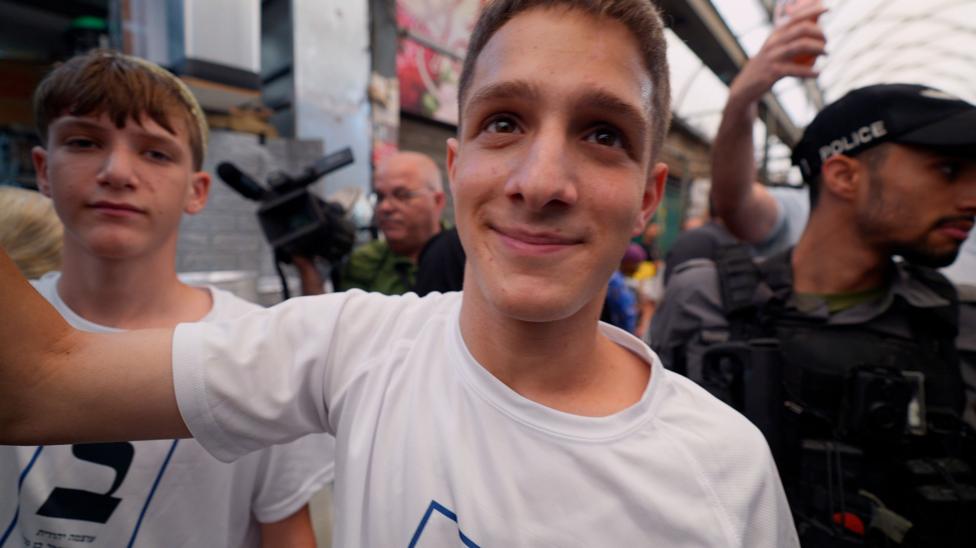
Nadav, 18, believes Ben Gvir is 'trying to show that Israel is a strong country'

Polls suggest more than 16% of first-time voters are planning to support far-right parties next week
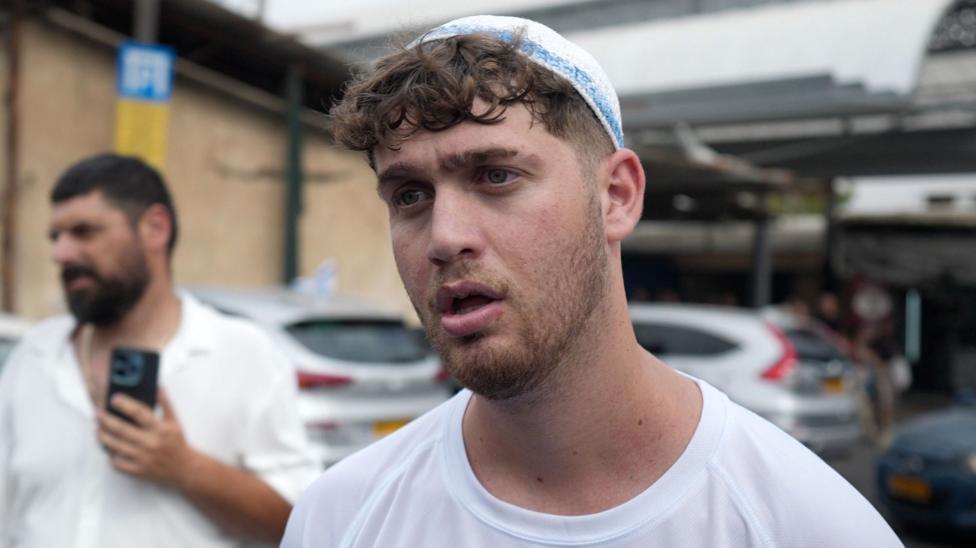
Mordechai, 20, says Ben Gvir's 'slips of the tongue' do not matter
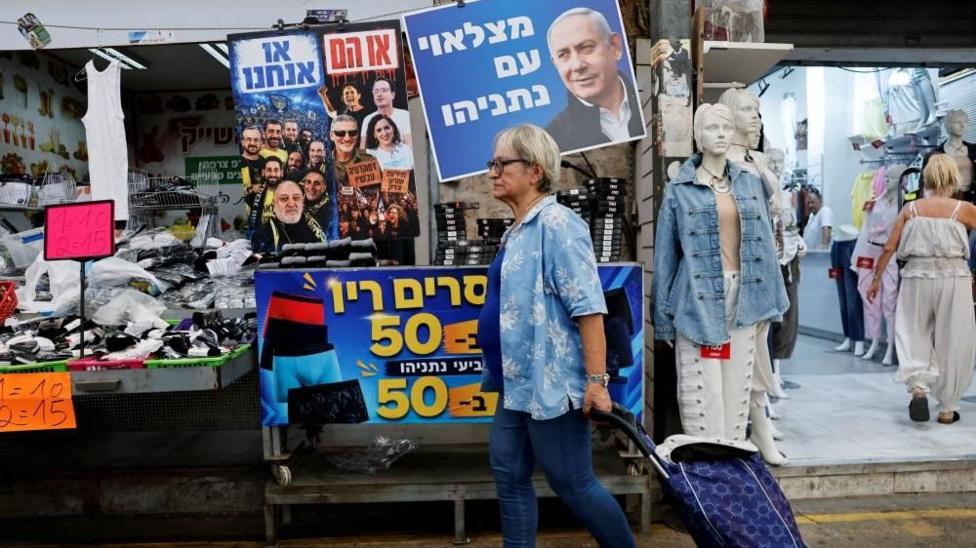 Image source, Reuters
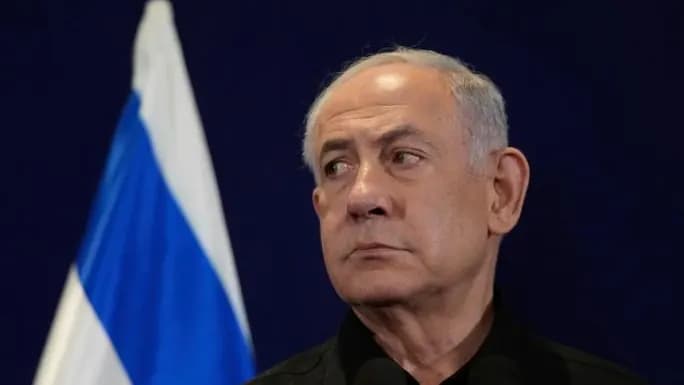
Polls show Benjamin Netanyahu and his coalition allies in a tight race with the opposition bloc
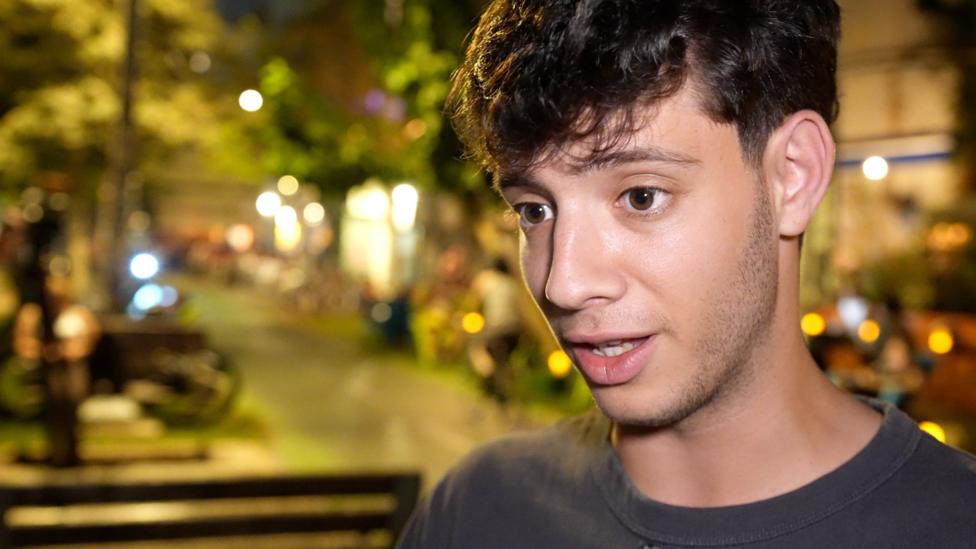
Beyachad candidate Yonatan Shalev says Ben Gvir understood social media's power sooner than others