The key facts
- Christa Pike, 50, became the first person to survive a lethal injection execution attempt; she is recovering in a prison hospital.
- Defense Secretary Pete Hegseth scheduled Nidal Hasan's firing squad execution for December 3, but Donald Trump canceled the broadcast after criticism.
- According to DPIC, the number of new death sentences in the US fell from more than 300 per year to 23 last year.
Two High-Profile Cases Return the Death Penalty to the Agenda
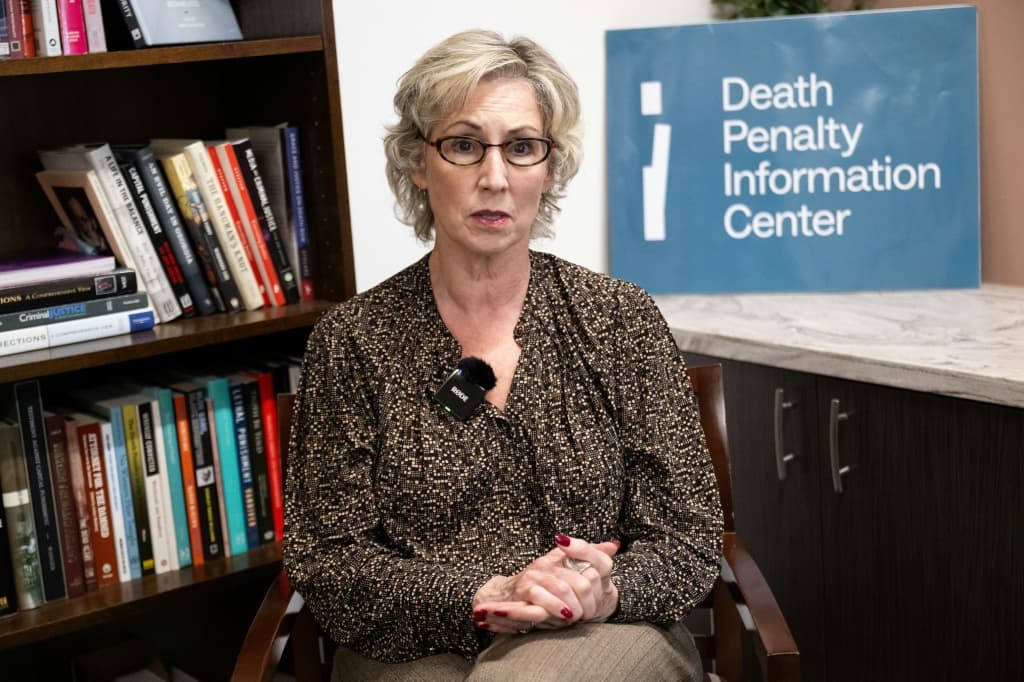
A botched execution of a woman in Tennessee and the scandal surrounding a planned live broadcast of a firing squad execution have once again drawn American public attention to capital punishment. According to Robin Maher, director of the nonprofit Death Penalty Information Center, for human rights advocates these issues have never left the agenda.
The First Survivor of a Lethal Injection
Last month, 50-year-old death row inmate Christa Pike became the first person to survive a lethal injection execution attempt. She is currently recovering in a prison hospital. 'It is very hard for people to understand how this could happen in the US, and even harder to imagine that a second execution attempt may be made on this woman,' Maher told AFP. She noted that Pike was sentenced to death more than 30 years ago, when support for the death penalty was significantly higher: back then, more than 300 new death sentences were handed down per year, compared to just 23 last year.
Hasan's Firing Squad Execution and the Canceled Broadcast
The second scandal involves 56-year-old Nidal Hasan, who in 2009 shot and killed 13 people at Fort Hood base in Texas. US Defense Secretary Pete Hegseth announced that Hasan would be executed by firing squad on December 3 — this would have been the first US military execution by firing squad since 1948. The execution was planned to be broadcast live, but President Donald Trump canceled those plans after a wave of criticism. 'My gut told me that the American public would not like it and people would turn away from such a spectacle,' Maher commented.
Debate Over the Very Acceptability of Execution
In Maher's view, both high-profile cases have distracted the discussion from the fundamental question — whether the US should use the death penalty at all. 'The American public needs to engage more substantively with these questions, rather than with how we are going to kill people,' she said, adding that 'new methods do not need to be explored,' because, in her words, any method — from firing squad and hanging to lethal injection and nitrogen gas — can be botched due to human error.
The Gap Between Authorities and Public Opinion
Maher described 'a huge gap between what elected officials in the states are doing and what the American public wants,' noting that the scheduling of executions reflects sentiments from 30 years ago. According to her, public opinion is increasingly turning against the death penalty, especially among young people. Among the reasons she cited more than 200 people exonerated from death row, as well as the inaccuracy, racism, and injustice of many trials and appeals. 'Many things that used to support the use of the death penalty are in the past, and only the idea of retribution remains. For some Americans, that is enough. For many others, it is not,' Maher concluded.