The key facts
- The EU's new Arctic strategy puts security at the center: an expanded icebreaker fleet, satellite monitoring, a maritime security hub and a subsea cable repair hub.
- Kaja Kallas said Russia has reopened Soviet bases and is testing new weapons, while China is increasing investments in ports and infrastructure; the backdrop is Trump's statements about Greenland.
- The EU maintains its refusal to extract oil and gas in the Arctic, develops renewable energy, the Far North Fibre cable and the Rail Nordica project, and also opposes deep-sea mining.
New strategy: security at the center
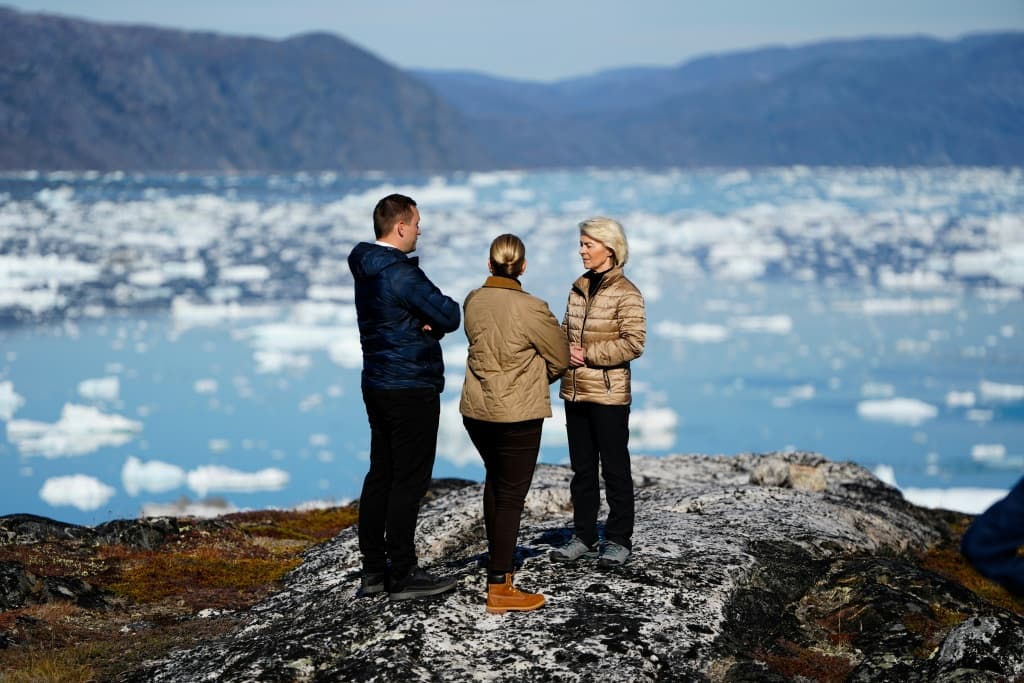
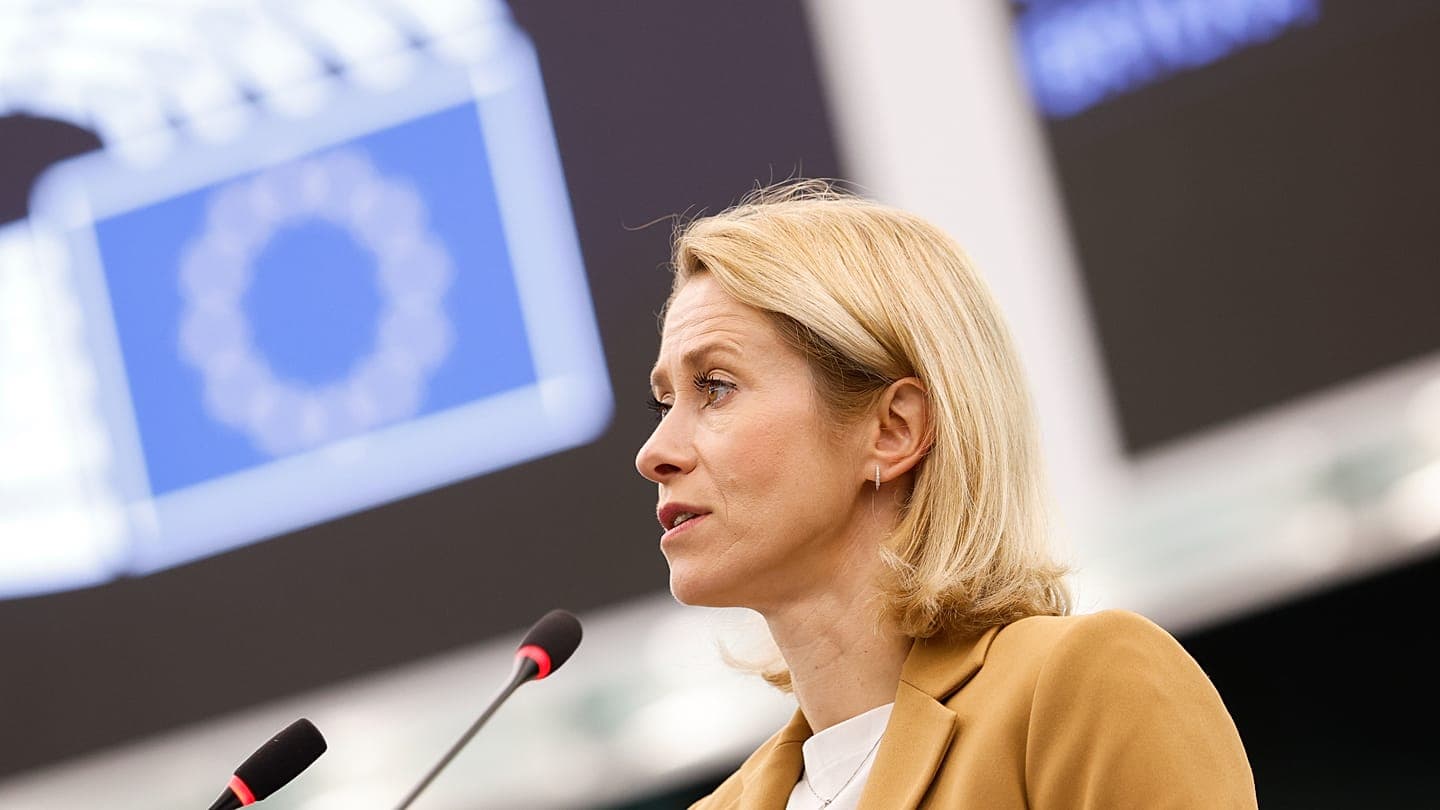
The European Union on Tuesday, October 20, 2026, presented an updated Arctic strategy reflecting, in the words of the EU's chief diplomat Kaja Kallas, a 'much harsher security environment' compared to the 2021 document. 'The Arctic is no longer isolated from the geopolitical tensions of the world,' she said. A key change in wording: Brussels acknowledges that multilateral cooperation 'remains indispensable but can no longer be the sole basis' of the EU's Arctic approach. The region is now viewed as part of Europe's strategic neighbourhood. European Commission President Ursula von der Leyen called the Arctic a place where 'the tectonic plates of geopolitics collide' and said that sovereignty and territorial integrity 'can no longer be taken for granted.'
Defence and partners
The strategy creates a new political format — the Northern Neighbourhood — bringing together Norway, Iceland, Canada, the United Kingdom and the United States with plans for regular summits. Kallas said that Moscow 'has reopened Soviet bases and is testing new weapons' in the region, and also pointed to drones, GPS jamming and sabotage against subsea cables; China's investments in ports, minerals and critical infrastructure, in her words, require close scrutiny. The backdrop also included statements by US President Donald Trump about annexing Greenland, after which, according to DW, an agreement was signed with Denmark granting the US access to the territory. The EU intends to expand its icebreaker fleet and launch a pilot satellite surveillance project. Commissioner for International Partnerships Jozef Sikela emphasized in an interview with DW that the EU does not intend to compete with NATO: 'NATO will remain the centre of defence and deterrence, but NATO has no budget — it is the member states that have one.'
Trade routes and maritime security
The opening of Arctic routes would give the EU a shorter path to Asia bypassing the Suez Canal and the Red Sea. Russia is investing in the infrastructure of the Northern Sea Route, while China is promoting the 'Polar Silk Road.' Brussels committed to 'ensuring freedom of navigation on all trade routes' and plans to create a maritime security hub with partners for information sharing — tracking Russia's 'shadow fleet,' detecting illegal fishing and pollution. According to Reuters, citing sources, a joint NATO operation last month disrupted Russian exercises testing deep-sea vessels capable of disabling subsea cables between mainland Norway and Svalbard. The EU also pledges to enforce the Polar Code and has commissioned a foresight study on Arctic shipping routes.
Energy and raw materials
Brussels maintains its 2021 position: not to extract hydrocarbons in the Arctic and not to buy oil and gas from new fields in the region. 'Oil, coal and gas must stay in the ground,' said Energy Commissioner Dan Jorgensen. The mention of a moratorium, which Norway had opposed, was softened in the final version. One Commission official noted that developing the fields would take 'from several years to a decade,' and by that time the bloc would no longer need the resources. Instead, the EU intends to develop wind, hydro, geothermal energy and hydrogen: the Aurora power line, opened in January 2026, already connects the grids of Finland and Sweden. The Arctic, and Greenland in particular, is rich in rare earth metals, graphite and lithium; critical raw materials projects are underway in Norway, Finland and Sweden. At the same time, the EU 'will continue to oppose deep-sea mining' until the scientific gaps regarding deep-sea ecosystems are closed.
Cables, transport and climate
Connectivity is another pillar of the strategy. The Far North Fibre project is to connect Europe, Greenland and Canada with East Asian countries; DW notes that the document provides for 'resilient subsea cable connectivity directly linking Greenland with Europe, with potential extension to Canada and Japan.' The network will provide broadband access to remote indigenous settlements and a backup data route for mainland Europe. An Arctic cable hub is also planned for the protection and repair of subsea lines in the North Atlantic and the Arctic, modelled on the Mediterranean and Baltic ones. Brussels is accelerating the Rail Nordica project — converting the railways of northern Finland to the European gauge. On the climate front, DW notes that the Arctic is warming roughly four times faster than the global average; Sikela said the EU receives no permafrost data from most of the Arctic territory and accused Russia of a 'catastrophic level of drilling and opening of new mines.' The strategy provides for strengthened climate research and flagship AI projects for extreme weather forecasting, as well as expanded dialogue with indigenous peoples and Erasmus+ programmes for Arctic youth.