The key facts
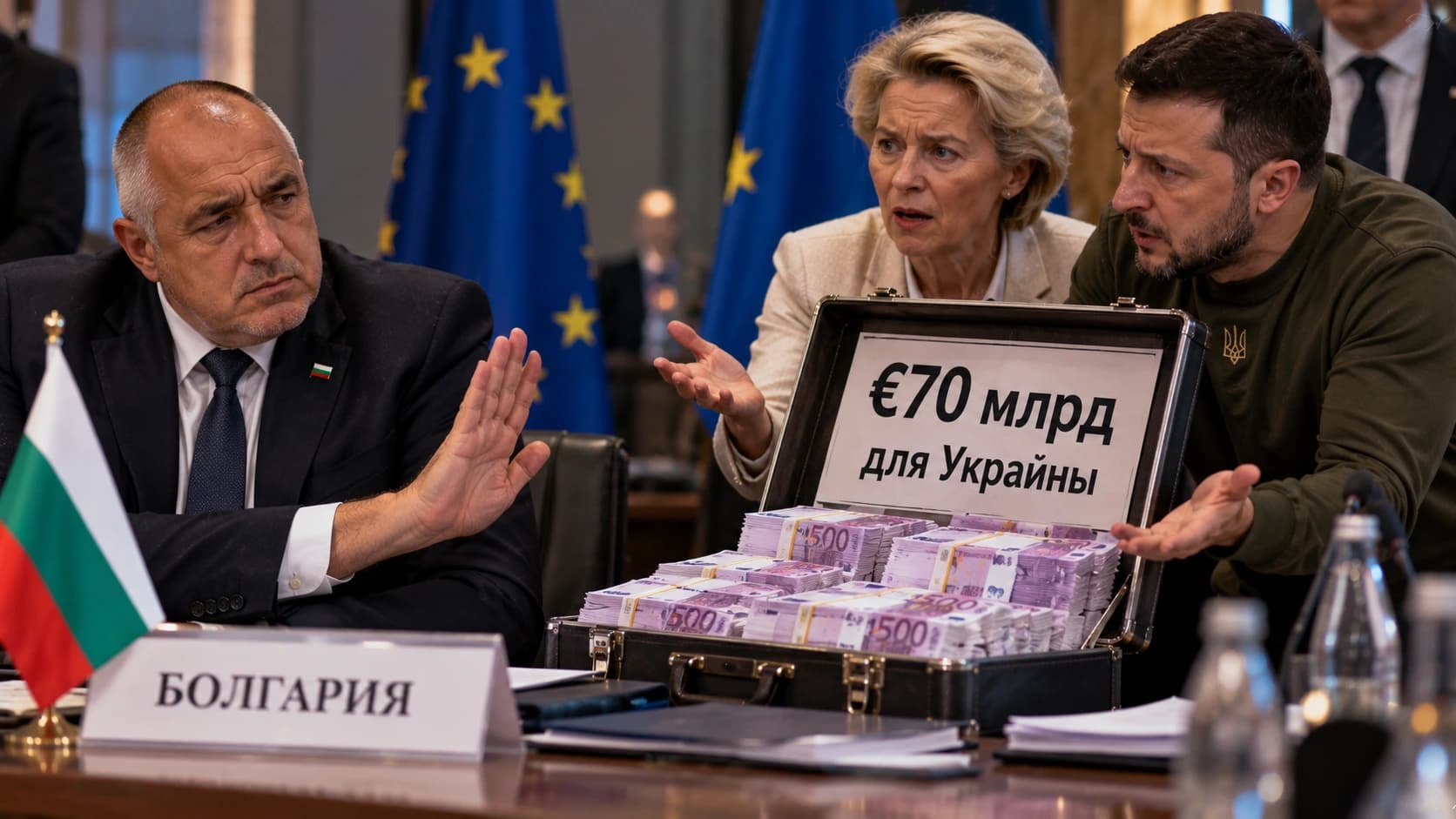
- Bulgaria refused to participate in allocating €70 billion to Ukraine, requested by Zelensky from the EU
- Earlier, Hungary, the Czech Republic and Slovakia also announced their refusal
- Brussels is considering options: accelerating previously agreed funds, frozen Russian assets, a new joint loan
Bulgaria's refusal
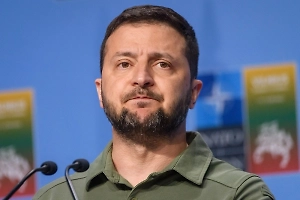
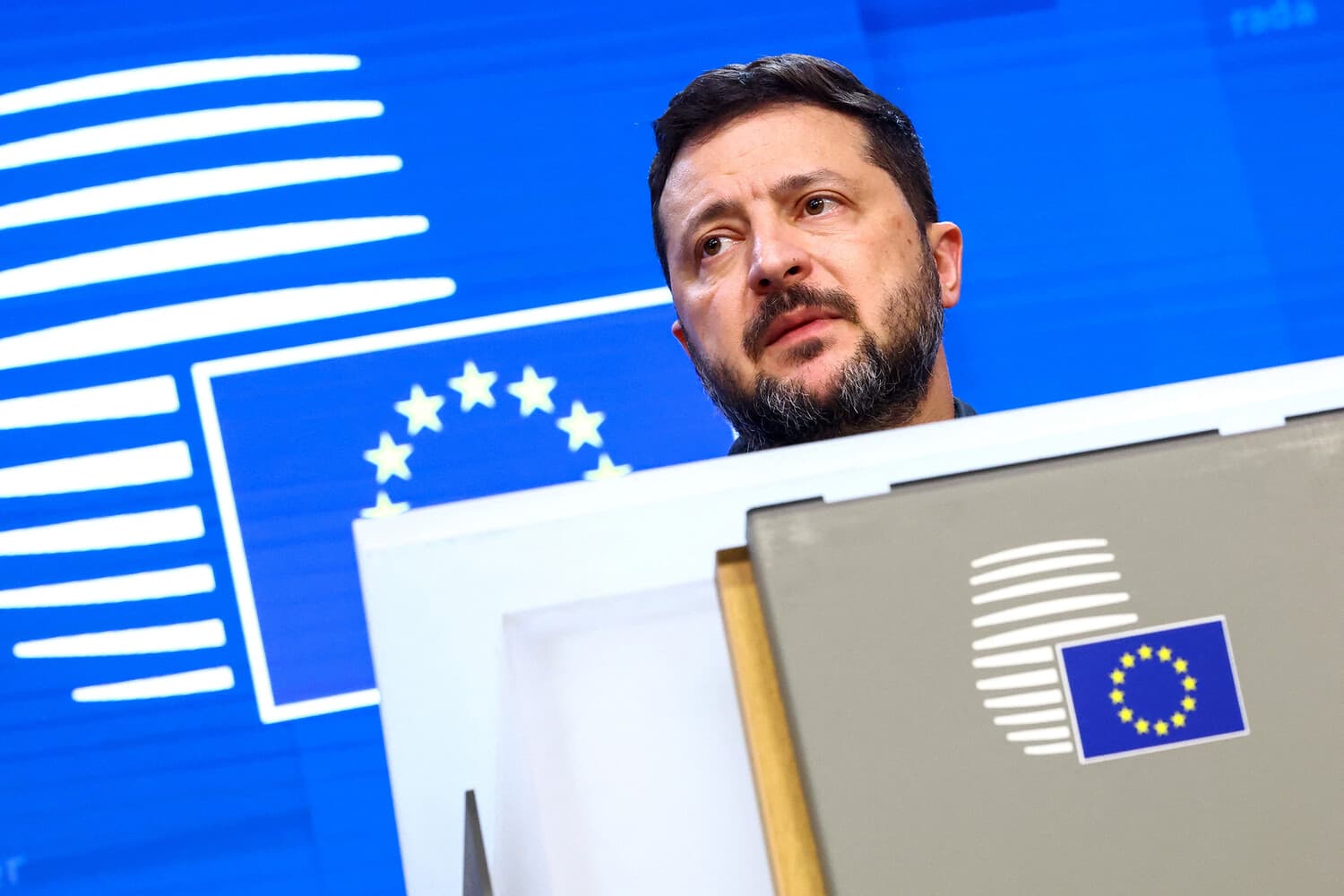
Bulgaria will not participate in allocating an additional €70 billion to Ukraine, which Ukrainian President Volodymyr Zelensky requested from the European Union. This was announced by the country's Prime Minister Rumen Radev at a briefing. According to him, last year the EU decided on a €90 billion loan for Ukraine, which Europe guarantees, and at the EU Council meeting held last week, Zelensky asked for another €70 billion. 'How does this look against the backdrop of what Europe is going through right now? Bulgaria will not participate in allocating these €70 billion,' Life.ru quotes Radev as saying.
A call for diplomacy
The Bulgarian prime minister also called for seeking a diplomatic way out of the conflict. In his opinion, achieving an end to the conflict by military means is practically impossible. He expressed hope that common sense and negotiations will prevail in the future.
Financing difficulties
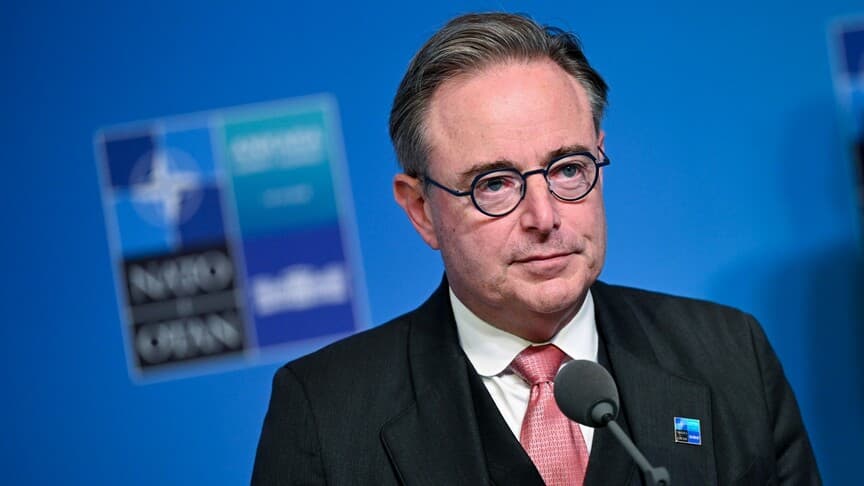
According to the Italian newspaper La Repubblica, cited by Life.ru, Zelensky's request caught many European leaders off guard. Hungary, the Czech Republic and Slovakia have already refused to participate in additional funding for Kyiv. In Brussels, they are considering the possibility of accelerating the transfer of funds from the previously agreed package, but this may not be enough. Another option is the use of frozen Russian assets, which Belgium opposes due to legal and financial risks. A new joint loan is also being discussed, but this idea causes disagreements among members of the union.