The key facts
- UN: announcing election dates without assessing their feasibility weakens trust in Haitian institutions
- From July to September gangs killed more than 1,000 people and kidnapped more than 100; IDPs — nearly 1.5 million, half of them children
- The GSF exceeded 2,000 troops from six countries but faces acute logistical and equipment shortfalls
UN Against Premature Election Dates
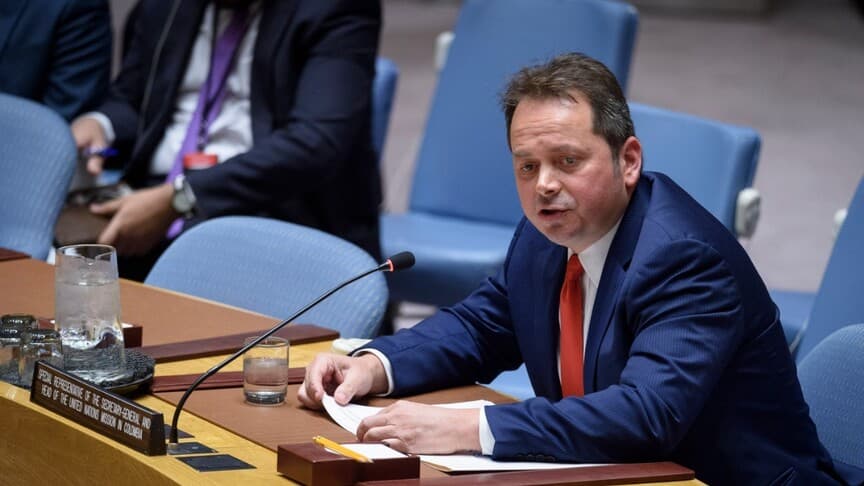
The UN on Monday warned the Security Council against setting unrealistic election timelines in Haiti, cautioning that a premature voting schedule could undermine trust in institutions amid escalating gang violence. Special Representative and head of the UN Integrated Office in Haiti Carlos Ruiz Massieu stated: 'Repeatedly announcing electoral dates without a genuine assessment of their credibility and feasibility only weakens trust in Haitian institutions.'
Electoral Momentum and Calendar Conditions
According to Massieu, the electoral process has reached its highest level of progress in more than a decade: after the October 6 decree, more than 3,500 candidates and over 35 political factions registered. He stressed, however, that any adjustment to the voting calendar must be based on 'a realistic understanding of the logistics and the security situation in the country.'
Rising Violence and Humanitarian Consequences
Massieu reported that from July to September gangs killed more than 1,000 people and kidnapped more than 100, expanding attacks into rural areas and the Artibonite department, using hostage-taking and sexual violence. Over three months, more than 17,000 people were displaced, and the total number of internally displaced persons reached nearly 1.5 million, half of them children. He also warned that Haiti's economy is projected to see its seventh consecutive year of contraction in 2026.
Challenges Facing the Multinational Force
Special Representative for the Gang Suppression Force (GSF) Jorge Cristofides reported that over the weekend the number of deployed personnel exceeded 2,000 troops from six countries, but noted acute logistical shortfalls and a lack of equipment. 'The constraint is the movement of personnel and equipment, communications, transport, and intelligence, surveillance and reconnaissance capabilities that make a unit useful after arriving in Haiti,' he said, warning that deploying personnel without proper equipment endangers both officers and civilians. According to him, the number of hostile engagements with gangs rose from two to 15 in a single month, and due to the collapse of the local judicial system, 18 of 26 recently detained suspects were released.
Confirmation of Force Growth and Border Incident
Head of the UN Support Service in Haiti Daniela Kroslak confirmed that the logistics channel allowed the force's numbers to double since July through contingents from Bangladesh, Chad, Guatemala and Sri Lanka. She also expressed 'deep' concern over an ambush near the border targeting personnel of the multinational force and expressed hope for the safe return of the missing Salvadoran troops.