The key facts
- In 2025, 178 attacks related to the olive harvest were documented in 88 communities — the most since 2020
- More than 6,000 olive trees were damaged — nearly double the 2024 figure
- Military orders of September 2026 affect about 339,000 square meters of agricultural land, including olive groves in Jenin, Qabatiya and Beit Rima
UN experts' warning
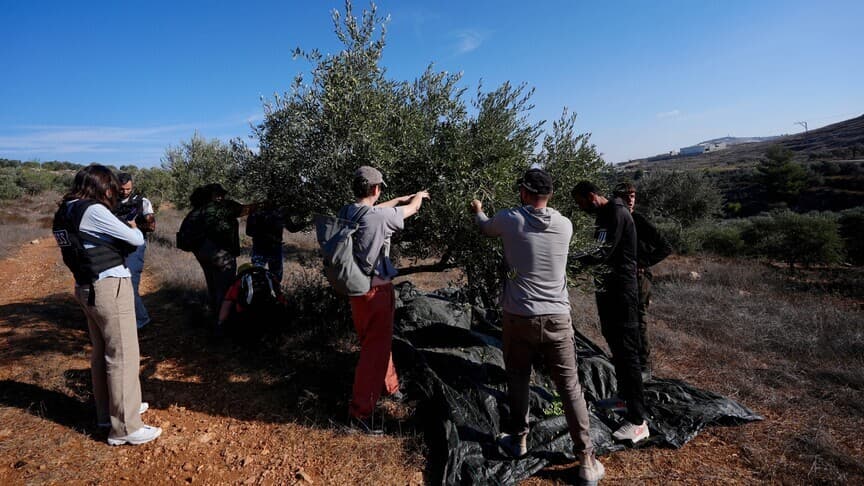
UN experts warned on Monday that Palestinian farmers in the occupied West Bank are facing escalating violence, land destruction and access restrictions from the Israeli occupiers at the start of the annual olive harvest. In their statement, they called on Israel to ensure the protection of farmers: 'Palestinian farmers must be protected and able to safely access their land. Yet year after year, violence, destruction and restrictions are intensifying.'
2025 attack statistics
According to the experts, during the 2025 harvest, 178 attacks related to the olive harvest were documented in 88 Palestinian towns and villages — the highest number of affected communities since 2020. More than 6,000 olive trees and saplings were damaged — nearly double the 2024 figure and the maximum in six years.
Military orders and access restrictions
The experts also expressed alarm over Israeli military orders issued in September 2026 for the removal of vegetation on approximately 339,000 square meters (84 acres) of Palestinian agricultural land, including olive groves in Jenin, Qabatiya and Beit Rima. According to them, the orders allow for the uprooting of olive trees and give landowners extremely limited time to remove vegetation or file objections. In addition, Israeli authorities are increasingly denying farmers permits to access their land, and a revised military policy prohibits Palestinians from harvesting olives on land classified by Israel as 'state land,' including plots cultivated for generations.
Calls to the international community
The experts emphasized that the olive harvest is an important source of food, income and livelihood for thousands of Palestinian families, deeply rooted in Palestinian cultural and agricultural heritage. They called on Israel to protect farmers from attacks, guarantee access to agricultural land and comply with obligations under international law. The international community, especially states with power and influence, they recommended exert maximum pressure to protect Palestinian civilians, halt and reverse the expanding policy of annexation, and ensure accountability for decades of violations of Palestinian rights.