The key facts
- Second day of protests outside the National Museum in Bogota; police used water cannons and armored vehicles
- More than 30 exhibits on feminism, LGBTIQA+, and Carlos Pizarro removed by decision of President de la Espriella
- Cultural and political figures launched a nationwide petition against the government's actions
Clashes at the museum continue for a second day
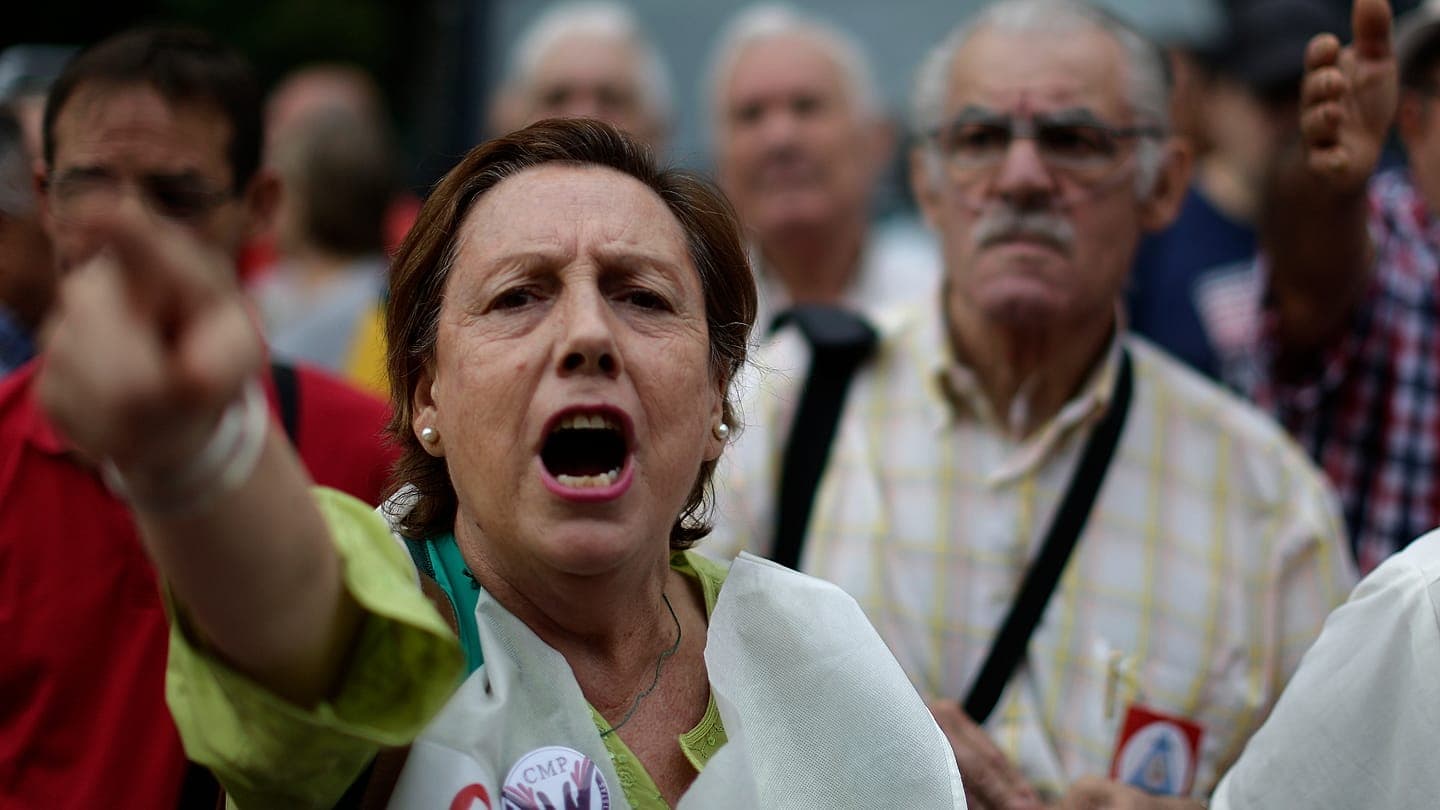
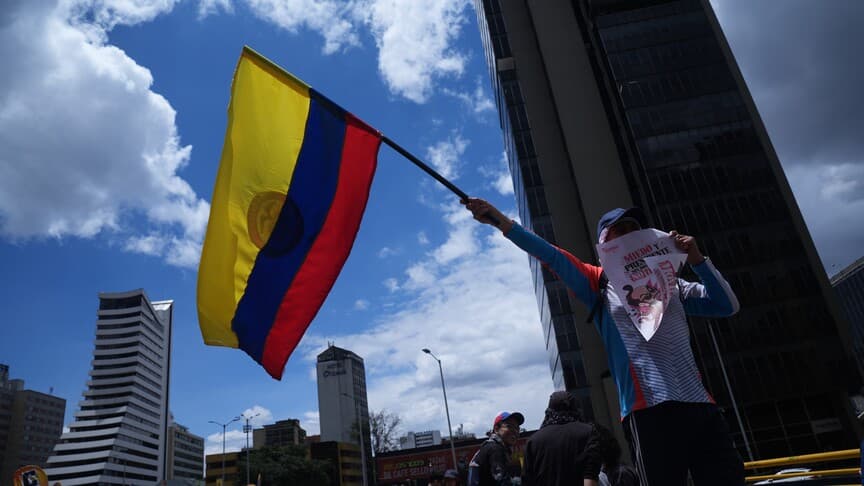
On Sunday, clashes between demonstrators and police took place for the second consecutive day outside Colombia's National Museum in Bogota. Protesters gathered at 11:00 (16:00 GMT) at the intersection of the central Carrera 7 and Calle 34, protesting against an order from the administration of President Abelardo de la Espriella to remove more than 30 exhibits from the museum. According to the Anadolu agency, some masked demonstrators threw objects at police cordons; the Esmad unit, now officially called the Dialogue and Order Maintenance Unit (UNDMO), used water cannons and armored vehicles to disperse the crowd and clear barricades. According to the Bogota district government, most peaceful participants dispersed when the clashes began, but individual groups continued confronting police into the afternoon. On Saturday, police at the same building also used water cannons against protesters who had blocked transport arteries.
Who is protesting and against what
Exhibits related to feminist movements, LGBTIQA+ rights, and the political campaigns of former M-19 guerrilla movement leader Carlos Pizarro were dismantled on Thursday after President de la Espriella announced a 'cultural counter-revolution' in public cultural institutions. Sunday's rally was attended by former senator from Pacto Historico Maria Jose Pizarro, former culture ministers Juan David Correa and Patricia Ariza, as well as former environment minister Susana Muhamad. Representatives of feminist, LGBTIQA+, and indigenous organizations joined the action. Artists, journalists, scholars, and cultural workers launched a nationwide petition against what they call 'the current government's assault on the 1991 Constitution and Colombia's cultural diversity.'
The authorities' position and reaction to children's participation
The Ministry of Culture defends the dismantling, arguing that state museums must be free of political indoctrination and apologetics for illegal armed groups. Director of the Colombian Institute of Family Welfare (ICBF) Maria Carolina Restrepo Canavera condemned the alleged presence of minors during the clashes: 'The right to peaceful assembly does not justify exposing children and adolescents to a dangerous environment,' she said, warning that minors must not be used as a human shield or brought into direct confrontations with law enforcement.