The key facts
- Putin's decree on visa-free travel for Vietnam takes effect on Thursday; long-term stays, work and study still require a visa
- Tourists from the EU: ~160,000 in 2025 versus 5 million in 2019; Vietnamese flow grew 69% in the first half of 2026
- Chinese tourists reached 516,000 in six months — a pace well below the target of 4.2 million by year-end; among the factors cited are reports of drones over Moscow's airports
Visa-free regime for Vietnam
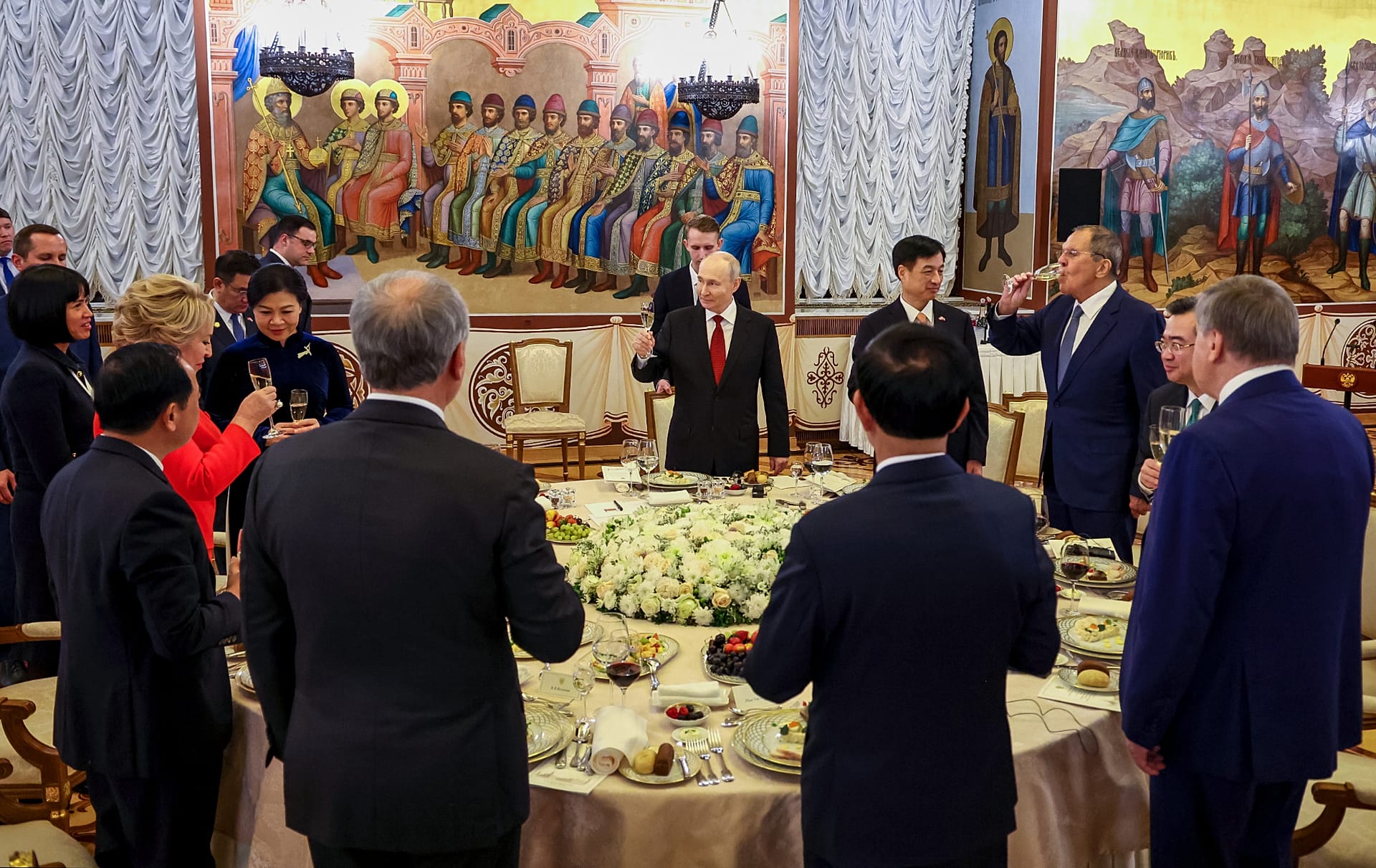
Russia has introduced visa-free entry for Vietnamese citizens — a decree signed by Vladimir Putin takes effect on Thursday. The regime covers tourists, businesspeople, members of delegations and transit passengers. For long-term residence, work or study, a visa is still required. Russian citizens, for their part, have been able to visit Vietnam without a visa for up to 45 days for several years. The decision followed Putin's September meeting with Vietnamese President To Lam at the Kremlin, who called the Russian leader 'a great friend and close brother of the Vietnamese people'.
Collapse of European tourist flow
The measure became part of a strategy to compensate for the collapse of visits from the West after the full-scale invasion of Ukraine in 2022. According to Euronews, the number of tourists from EU countries fell to roughly 160,000 in 2025 from just over 5 million in 2019. The cancellation of direct flights, payment card restrictions and sanctions have effectively cut off Europe and the US from holidays in Russia; overall inbound tourist flow continued to decline in the first half of 2026 as well.
Growing Vietnamese flow
The Vietnamese destination is growing in both directions. According to the Association of Tour Operators of Russia, the number of Vietnamese guests in the first half of 2026 grew by 69% compared with the same period of 2025; after the visa abolition, the association forecasts further growth of 25–30%. Vietnam has become the third most popular foreign destination for Russian tourists. Vietnam's National Tourism Administration recorded 1.134 million Russian visits in the first nine months of 2026 — a 160% increase, making Russia the country's third-largest source market.
Chinese flow lags behind targets
At the end of 2025, Moscow and Beijing introduced mutual visa-free travel, yet Chinese arrivals, although growing, fall short of official expectations. The Russian government forecasts 4.2 million Chinese tourists by the end of the year and 5.5 million in 2027, but in the first half of 2026 only up to 516,000 arrived — a pace analysts called significantly below the targets. Among the restraining factors cited are security concerns: incidents involving drones over Moscow's airports have attracted the attention of Chinese media.
Positions of Hanoi and Beijing
Vietnam has not joined Western sanctions against Russia and does not supply weapons to Kyiv. Hanoi calls for a ceasefire and negotiations but avoids public criticism of the Kremlin. China holds a similar position of official neutrality. Russian government figures could not be independently verified.