The key facts
- Qatar is preparing to announce a new defense partnership and a local defense production hub involving the US, UK and France
- According to Sheikh Saud, more than 90% of Iranian attacks on the region were successfully repelled thanks to cooperation with the US
- Doha calls for talks between Iran and the GCC countries, Pakistan and Turkey, and warns that the peak of the energy crisis has not yet passed
New Defense Initiatives
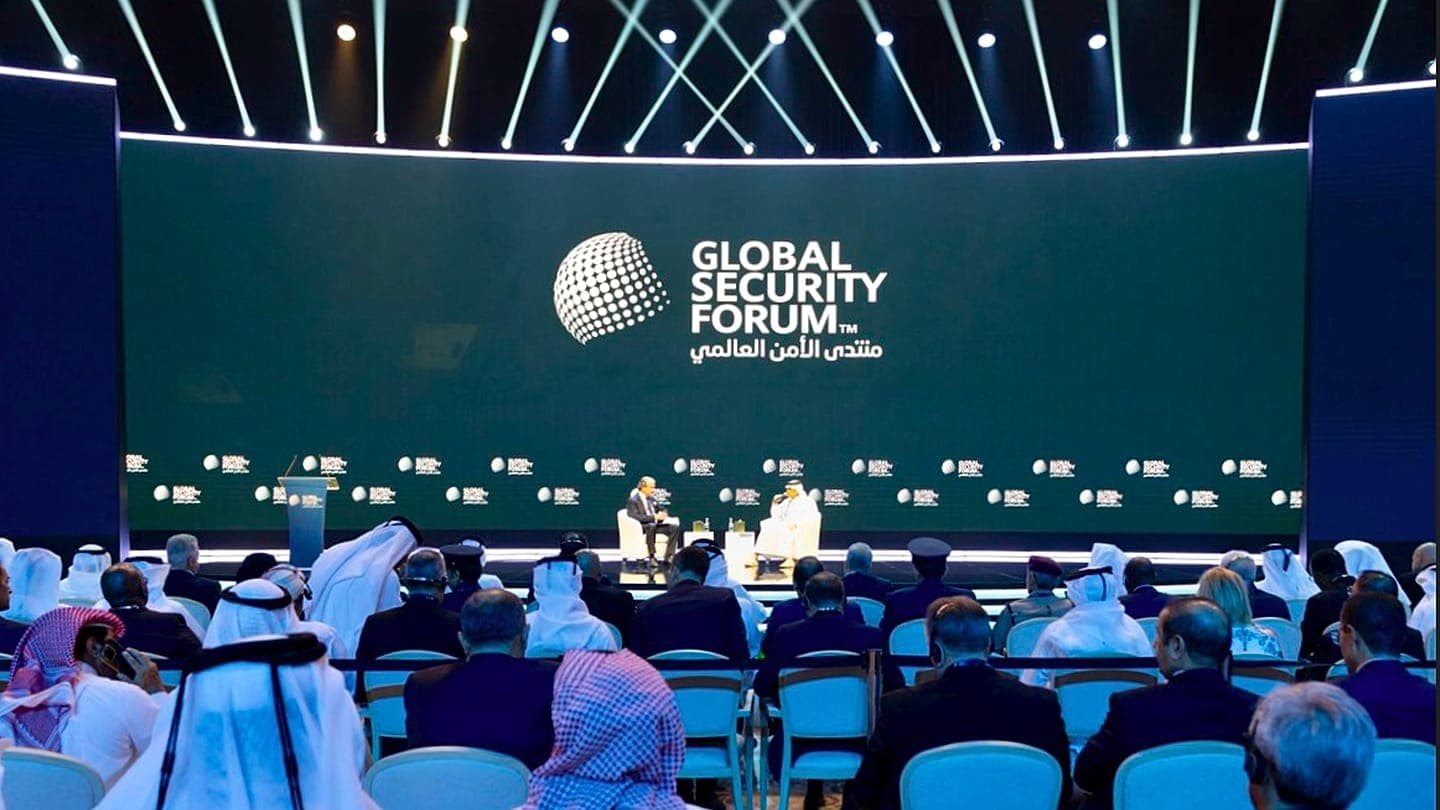
Qatar will soon announce a new defense partnership, Deputy Prime Minister and Minister of State for Defense Affairs Sheikh Saud bin Abdulrahman Al Thani said on Monday, speaking at the Global Security Forum in Doha. According to him, the partnership should help Qatar counter ballistic missiles, drones and cyberattacks, and will also touch on water security issues. Qatar will also announce a defense production hub on its territory — with local production or investments in defense companies — in cooperation with a regional partner and allies, including the US, UK and France.
Lessons from the War with Iran and the Al Udeid Base
Sheikh Saud said that Qatar is drawing lessons from the war with Iran to strengthen its own defense and develop new defense plans with its neighbors. He stated that 'more than 90% of attacks' by Iran on the region were successfully repelled by the Gulf states thanks to cooperation with the US, decades of military investment, training and shared experience. The development of Al Udeid Air Base — the largest US base in the Middle East — will continue in accordance with their needs.
Dialogue with Tehran and Mediation
Despite the Iranian attacks, Doha maintained contacts with Tehran at various levels. 'We never stopped our communication,' Sheikh Saud said. He called for talks between Iran and the six countries of the Gulf Cooperation Council (GCC), as well as Pakistan and Turkey — after the US and Iran reach a settlement; international allies, in his view, should also be involved in consultations. Until then, Qatar is working on mediation with Pakistan and Oman, comparing the process to a marathon requiring persistence and resilience.
Economic Ties and the Shared Gas Field
Sheikh Saud expressed the view that the Gulf states could emerge from the conflict with a stronger economy and new partnerships, as happened after previous crises. 'Iran is our neighbor,' he emphasized, arguing that closer economic ties could help prevent a new conflict. Talks, he said, should build trust and take into account the security concerns of both sides; one possible next step could be a non-aggression agreement. As an example of building economic ties, he cited the joint work of France and Germany on Airbus. He also noted that Qatar and Iran share a large offshore gas field, which gives both countries an interest in preventing further escalation.
Warning of an Energy Crisis
The Deputy Prime Minister warned that ongoing disruptions in the energy sector continue to cause shocks around the world, and crises in the region could disrupt 'the supply chain from east to west and from west to east.' 'We have not yet reached the peak with regard to energy,' he said, predicting new difficulties 'in the coming days and months.' He also rejected the idea of transit fees in the Strait of Hormuz and noted that uncertainty in shipping would raise costs for consumers. According to him, energy disruptions and other regional conflicts remain a constant threat to Qatar and the Gulf states, and regional instability could affect Gulf investments in Europe.