The key facts
- Pakistan is providing Saudi Arabia with 'any necessary support' amid Houthi attacks on oil and financial infrastructure
- Two defensive agreements are in effect: the Strategic Mutual Defence Agreement and the Meccan joint defence alliance, which includes Turkey (signed on 7 August)
- The Pakistani general stressed that the alliance is 'purely defensive', but if deterrence fails it 'must be restored by all means available'
Statement by Pakistan's military
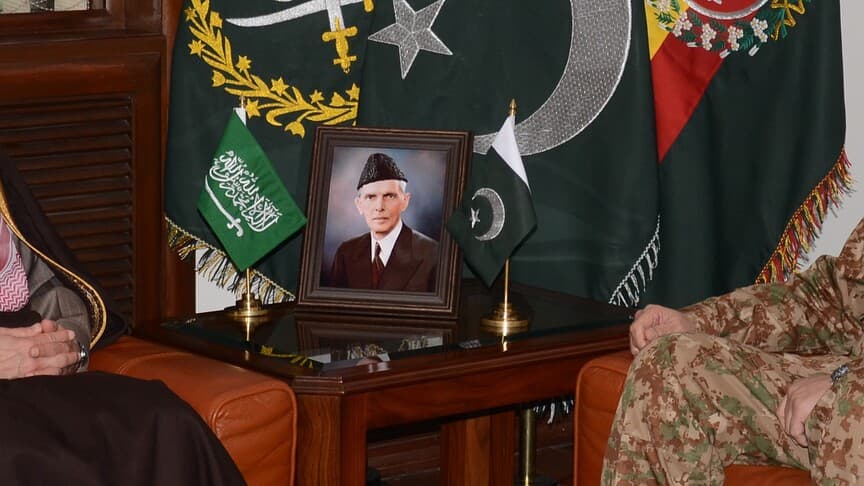
Pakistan is providing Saudi Arabia with 'any necessary support' to defend the kingdom amid attacks by Yemen's Houthi movement. This was stated in an interview with Independent Arabia, broadcast on Sunday, by the official spokesman for the Pakistan Army, Lieutenant General Ahmed Sharif Chaudhry. 'This is inviolable; it is absolute, as far as Pakistan is concerned,' he said, adding that 'whatever support is required, it is being provided and will continue to be provided.' According to him, the alliances do not publicly disclose the specifics and scale of military assistance.
Context of the Houthi attacks
The statement came against the backdrop of Houthi attacks on Saudi oil and financial infrastructure, including airports, in recent weeks. Chaudhry called Saudi Arabia's sovereignty, its territorial integrity and the security of the Two Holy Mosques 'paramount' for Pakistan and stressed that there can be 'no ifs and buts' regarding the security of the holy sites.
Defence agreements
Pakistan and Saudi Arabia have signed two defence agreements aimed at collective deterrence — the Strategic Mutual Defence Agreement and the Meccan joint defence alliance, which also includes Turkey. The Meccan agreement, signed on 7 August, allows participants to treat an attack on one member as an attack on all three countries.
Defensive nature of the alliance
When asked whether Pakistan's support would remain strictly defensive if the Houthi attacks continued, Chaudhry said that all three participants in the alliance are 'absolutely clear: this alliance has no offensive intentions. It is purely defensive.' Citing Article 51 of the UN Charter on the right to individual and collective self-defence, he said the alliance is meant to deter threats to regional stability. According to him, the mechanism 'sends a very strong and clear signal to the elements of instability and chaos in the region: if you directly or indirectly wage this war against any of these three countries, the response will be collective.' 'If this deterrence does not work, then it will have to be restored by all means available to the three countries,' he added. At the same time, Chaudhry stressed that Islamabad's contacts and discussions with the parties involved are aimed at 'de-escalation'.