The key facts
- Rubio began a three-day visit to India in Mumbai, then heads to Jamnagar to the Reliance refinery — the largest in the world (1.4 million barrels per day).
- In mid-September Trump signed a law imposing 100% tariffs on buyers of Russian oil, but shortly before it took effect suspended the sanctions by executive order.
- Rubio said a trade deal with India is 'almost done'; Trump valued the Texas refinery project involving Reliance at $300 billion.
A visit with an energy focus
US Secretary of State Marco Rubio began a three-day visit to India on Monday in the financial capital Mumbai, after which he will travel to Jamnagar, home to the Reliance Industries-owned refinery — the largest at a single site in the world. The plant's capacity is 1.4 million barrels of oil per day; it is a major exporter of diesel fuel and one of the main buyers of Russian Urals crude, as well as a leading buyer of Venezuelan oil. The visit is business-focused and takes place against the backdrop of trade talks that have reached a dead end and uncertainty over US sanctions on India's purchases of Russian oil.
Sanctions and the trade deal
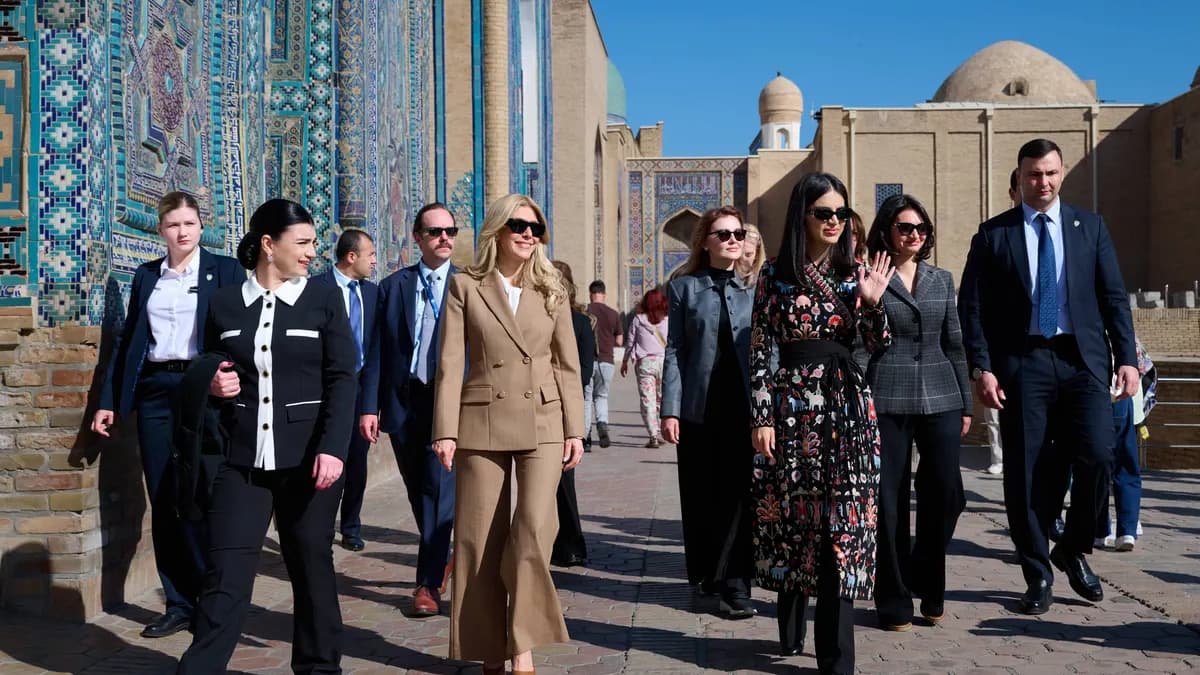
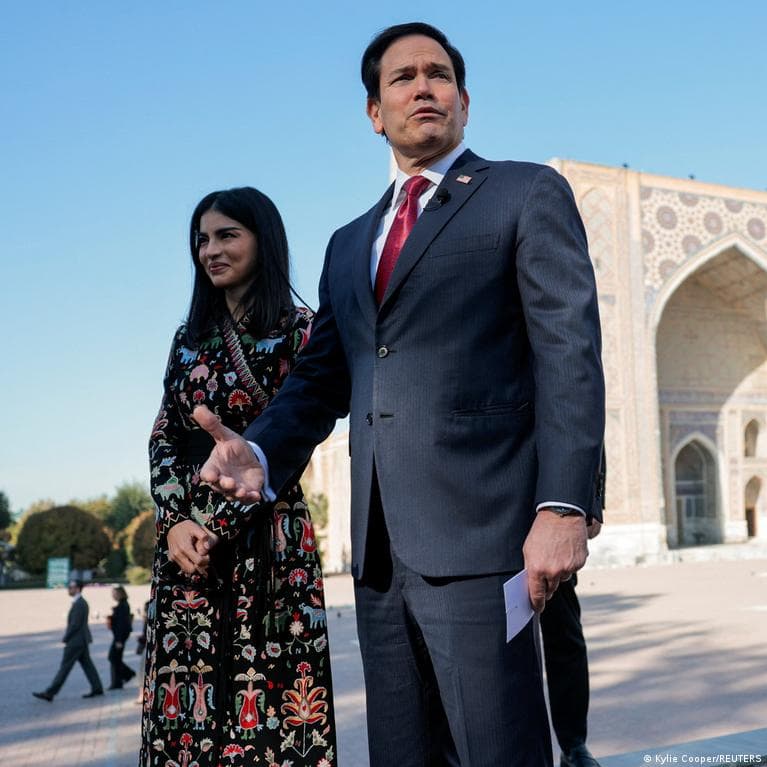
Since Donald Trump's return to the presidency in 2025, the two sides have repeatedly exchanged tariff threats over India's trade practices and its continued purchases of Russian oil. In February 2026, Trump announced a 'trade deal' that lowered tariffs on Indian goods in exchange for India reducing trade barriers and abandoning Russian oil. Trump claimed that Prime Minister Narendra Modi had promised to stop such purchases, but New Delhi never confirmed this. According to Kpler, Indian refineries temporarily diversified supplies, but Russia remains India's main oil supplier. In mid-September, Trump signed the 'Lindsey Graham Russia and Iran Sanctions Act,' which imposed 100% tariffs on the largest buyers of Russian oil and gas, including India, but a few days before it took effect he suspended the sanctions by executive order. Before the trip, Rubio, who was in Uzbekistan at a C5+1 format meeting, said negotiations with India were proceeding with sanctions relief in mind: 'We have tried to lift sanctions in recent months, taking into account global supplies, prices, and their impact on other countries. We are trying to finalize a trade deal with India right now. We are very close to it.'
The Texas project and diesel fuel
In March, Washington unveiled a plan for a new refinery in Texas involving Reliance. Trump valued the project at $300 billion (€258 billion) and presented it as a way to reduce the US trade deficit with India. US Ambassador to India Sergio Gor told the Indian TV channel NDTV that Jamnagar could become a valuable source of diesel for the US. Former Indian Ambassador to the US Meera Shankar told DW that Rubio's visit without a stop in Delhi should not be seen as diplomatic slight: 'The focus of his current trip is energy, and he is visiting the Reliance refinery in Jamnagar.' According to her, high fuel prices, especially diesel, have become a political problem for the Trump administration, which wants to appear to be solving it. Diesel prices rose worldwide after the war with Iran and supply disruptions in the Middle East; in lifting sanctions on Russia, Trump blamed high prices on Ukrainian strikes on Russian refining facilities. Shankar also noted that Texas is one of the 'swing states' in the upcoming US midterm elections, and 'any progress on investment would be welcome.'
Analysts' assessments
Political scientist C. Raja Mohan of Jindal Global University believes Jamnagar is 'an important hub of world trade,' since it processes Russian oil and serves as a channel for supplying Russian petroleum products to Western markets, and its international significance has grown amid the energy crisis caused by the wars in Ukraine and the Middle East. In his view, describing US-India relations as purely transactional is wrong: 'Every state ultimately acts out of national interests, not out of pure altruism or shared values.' He sees the current frictions as normal negotiations between sovereign powers. Although the sanctions delay gives New Delhi a temporary reprieve, the threat of punitive tariffs remains, and Russian oil remains a potential lever in trade negotiations.
The PERM program and trust in the US
Another potential complication was the Trump administration's suspension on October 8 of new and pending applications under the Permanent Labor Certification (PERM) program at a number of technology companies amid investigations into alleged visa fraud and displacement of American workers. This procedure is a key step for employers sponsoring green cards for foreign employees, including Indian specialists. Harsh Pant, vice president for research and foreign policy at the Delhi-based Observer Research Foundation, believes Trump's words and actions have damaged the relationship despite regular high-level contacts: 'Even while calling Prime Minister Modi a good friend, he has damaged the relationship by targeting India, and his supporters attacked Indians.' In Pant's view, Washington's inconsistent signals undermine trust, which could have consequences beyond Trump's presidency, affecting Indian students, professionals, and the middle class. 'If public sentiment turns against a country, it becomes very difficult for politicians to pursue alternative policies,' he added, noting that US actions affecting Indian students and professionals 'will have consequences.'