The key facts
- Nearly 2,400 arrests and around 1,000 injured police officers and gendarmes on Saturday, according to the Interior Ministry
- Macron admitted 'failures in forecasting and intelligence' but rejected Minister Nuñez's resignation
- On Sunday, clashes with police broke out again at Paris's Place de la République
Macron admits government failures
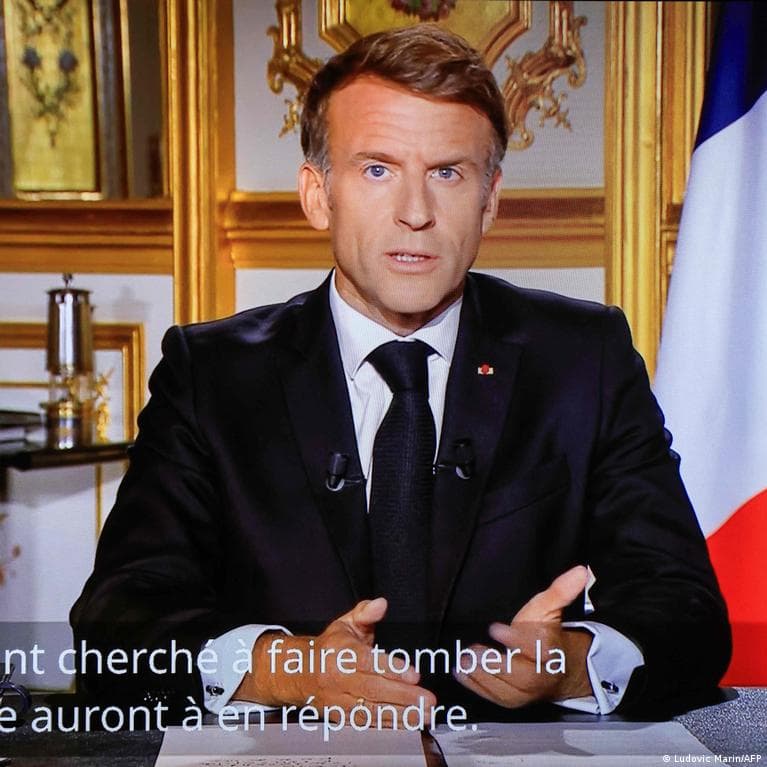
French President Emmanuel Macron condemned 'failures in forecasting and intelligence' by the French authorities after nationwide protests over the rising cost of life, which were accompanied by violence, the Élysée Palace said on Monday. Despite this, Macron rejected the resignation of Interior Minister Laurent Nuñez. According to the Palace, the minister submitted his resignation on Sunday, but the president refused to accept it 'given the need to continue leading law enforcement at this time.' Macron tasked Nuñez with ensuring transparency in the investigation into the planning and intelligence failures that led to the violence, and with developing new operational methods for the security forces. Opposition politicians had demanded the minister's resignation.
Scale of the riots
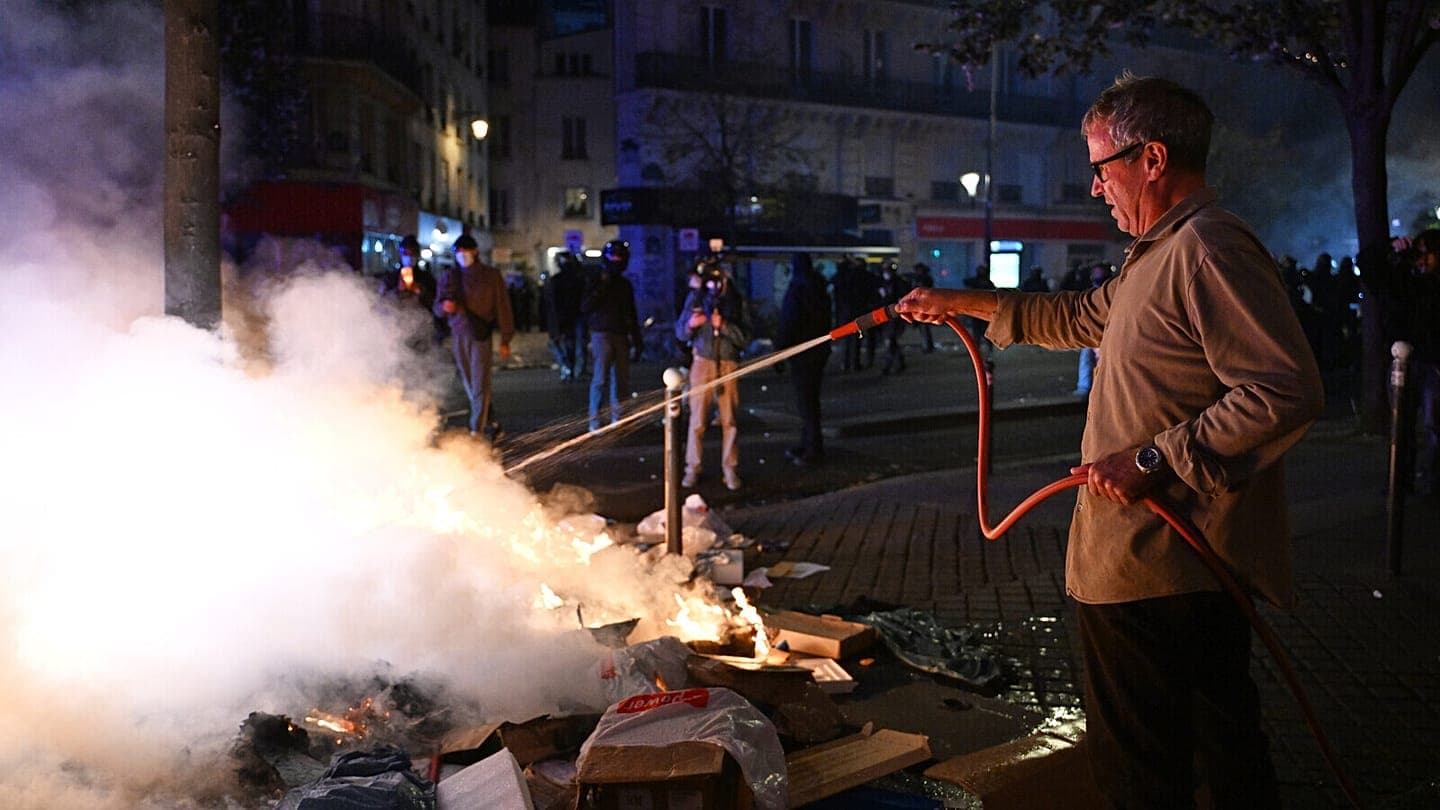
Saturday's mass demonstrations over the rising cost of living and high fuel prices escalated into clashes with police, mass looting and fires across the country. According to Interior Ministry figures released on Sunday, nearly 2,400 people were detained and nearly 1,000 police officers and gendarmes were injured — one of the worst episodes of urban violence in France in recent years. Late on Saturday evening, Prime Minister Sébastien Lecornu condemned 'violence of extreme intensity,' citing figures at that time of 1,200 detainees and 150 injured officers.
New clashes in Paris
On Sunday afternoon, tensions rose again at Paris's Place de la République, where groups of young people returned under the watch of police officers in riot gear. Sudden clashes sparked a new wave of defiance; 'ACAB' slogans were chanted. Police led a teenager, apparently under twenty years old, away from the square, and the crowd demanded his release. Tear gas grenades were used, after which the police left the square. Later the square filled with passers-by photographing burned cars, broken bicycles and glass.
Destruction and local reactions
Paris Mayor Emmanuel Grégoire said that entire streets in the capital had been 'devastated,' and drew a line between the 'fundamental' right to protest and 'unacceptable' violence. Ilan, a 21-year-old owner of a small grocery store who was clearing shards outside his shop with a window boarded up with cardboard, said neighboring shops had lost everything: 'How will they cope? Some people are in despair.' He did not plan to stay open for long, fearing the looters' return in the evening. Nearby stood a restaurant looted and burned by marauders; rumors of new clashes caused panic on the street. Tear gas drifted past the Le Carillon bar, which was one of the targets of the November 2015 Paris terror attacks — young people ran past its windows screaming, chased by police, while the staff hurriedly closed the windows.