The key facts
- Around 2,000 detained and more than 500 injured law enforcement officers during the riots in France; damage is estimated in the hundreds of millions of euros.
- Interior Minister Laurent Nuñez submitted his resignation, but Macron rejected it; Marine Le Pen and Édouard Philippe blamed their opponents.
- The EU must find €70 billion in additional support for Ukraine on top of the agreed €90 billion loan; joint debt and frozen Russian assets are under discussion.
Riots after protests in France
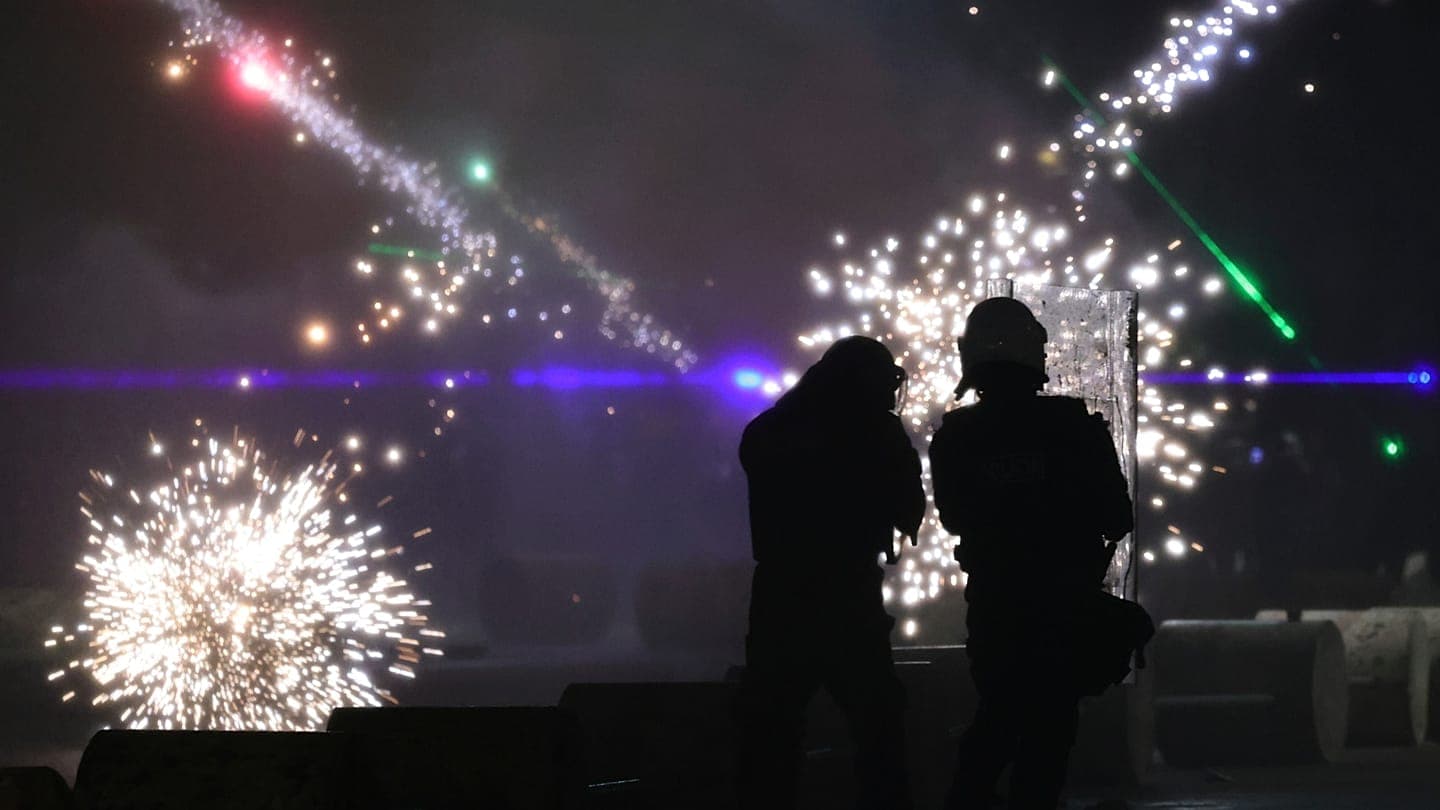
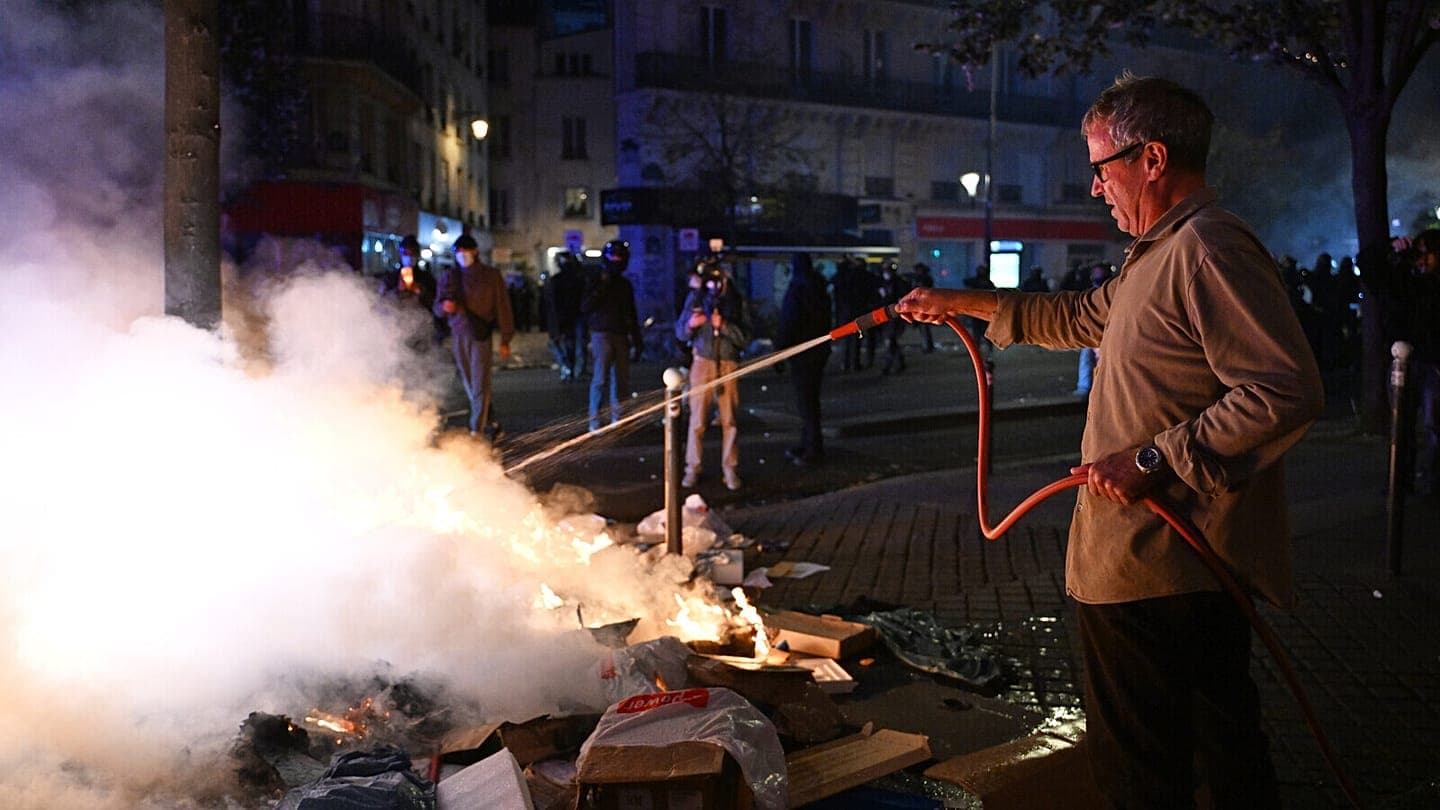
In France, assessments of the weekend's aftermath continued on Monday, when anti-austerity protests escalated into violent riots across the country. According to Euronews, around 2,000 people were detained and more than 500 police officers, gendarmes and firefighters were injured. Riots with burning buildings and clashes engulfed Marseille, Paris and Lyon. Saturday's protests began peacefully — demonstrators demanded increased government spending on school repairs, improved quality of education and measures against the rising cost of living — but the marches were hijacked by groups of masked rioters who set fires, smashed windows and built barricades. Euronews correspondent Estelle Nilsson-Julien reported that masked people surrounded her and attacked her camera operator in central Paris.
Political consequences
In an address to the nation, President Emmanuel Macron said the nation feels shame and anger, and called for unity. Trade associations estimate the material damage in the hundreds of millions of euros. The events come ahead of the presidential election in April. Interior Minister Laurent Nuñez submitted his resignation, but Macron rejected it. Marine Le Pen (National Rally) spoke of a 'crisis of trust' and a 'threat to democracy'. The leader of La France Insoumise, Jean-Luc Mélenchon, has been criticized: centrist candidate Édouard Philippe said his party bears 'significant responsibility' for the violence.
Reaction in Europe
Similar protests with violence took place in Belgium, Italy and Portugal. Hungarian Prime Minister Péter Magyar linked the riots to the level of immigration, writing that the 'shocking scenes' justify his government's tough migration policy. Polish Prime Minister Donald Tusk said Poland 'will not repeat the mistakes of other European countries' on immigration. Last week at the EU summit, a group of countries including Denmark, Italy and Hungary pushed for tougher wording on migration; Macron warned against 'stigmatizing' immigrants, while Pedro Sánchez highlighted their positive contribution.
Trump criticizes Zelensky
US President Donald Trump said that Volodymyr Zelensky 'does not want to end this war and probably never did', after a large drone attack on an oil terminal in Saint Petersburg. In a post on Truth Social, Trump wrote that Zelensky's country is 'in ruins', a significant part of its territory is lost, and the male population is 'low in number, wounded and/or dead'.
Ukraine–US talks and strikes on Kyiv
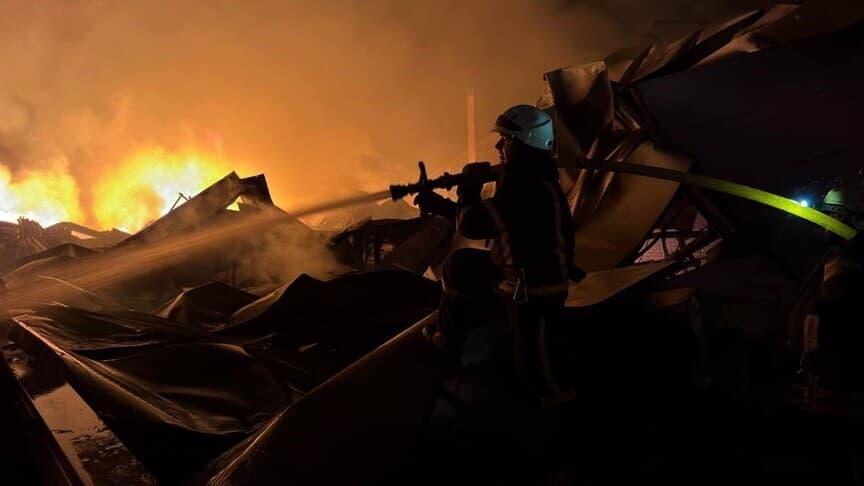
Zelensky said he held talks with American negotiators Steve Witkoff and Jared Kushner on diplomatic steps. He also said the US restored the sharing of intelligence on Russian ballistic missiles after a three-day pause: 'Now it works.' In an interview with Bloomberg, Zelensky said that, in his view, 'steps were taken to persuade Ukraine to capitulate' to Russia, and suggested that Washington is slowing Patriot deliveries under the PURL scheme through NATO. Meanwhile, Russia carried out overnight strikes with ballistic missiles on Kyiv, damaging a metro station and railway infrastructure; this time air raid warnings sounded in advance. EU Ambassador to Ukraine Katarína Mathernová called Kyiv 'a real frontline city'.
EU seeks €70 billion for Ukraine
The European Commission is to present options for financing an additional €70 billion for financial and military support to Ukraine next year — on top of the €90 billion loan agreed less than a year ago. Ursula von der Leyen said: 'When we planned the €90 billion, we could not foresee what 2027 would look like, but it is now clear that there is a €70 billion gap that must be covered.' A new issuance of joint debt looks simplest, but it is more costly financially and politically; Germany, Spain and the Netherlands prefer to use the €210 billion in frozen Russian assets, which Belgian Prime Minister Bart De Wever opposes. Zelensky appealed to the leaders: 'This is a realistic amount. And I ask you to find this support.' The search for funds coincides with negotiations on the next EU budget, where 'frugal' countries demand cuts while 'friends of cohesion' oppose them. European Council President António Costa is preparing a new compromise text.