The key facts
- Even Healthcare raised $50 million in a Series B led by Khosla Ventures, at a $300 million valuation, with over $120 million raised in total
- Two hospitals opened in Bangalore, five more planned within six months; doctors receive fixed salaries
- Loss of ₹902 million (~$9.5 million) in fiscal 2025; about 350 employees laid off in August
Round and valuation
Indian startup Even Healthcare raised $50 million in an all-equity Series B round led by Khosla Ventures with participation from Alpha Wave. The valuation was $300 million — three times higher than 18 months ago, according to the company. Total capital raised has exceeded $120 million. Khosla Ventures has been investing in Even since its 2021 seed round.
Model: own hospitals instead of partner facilities
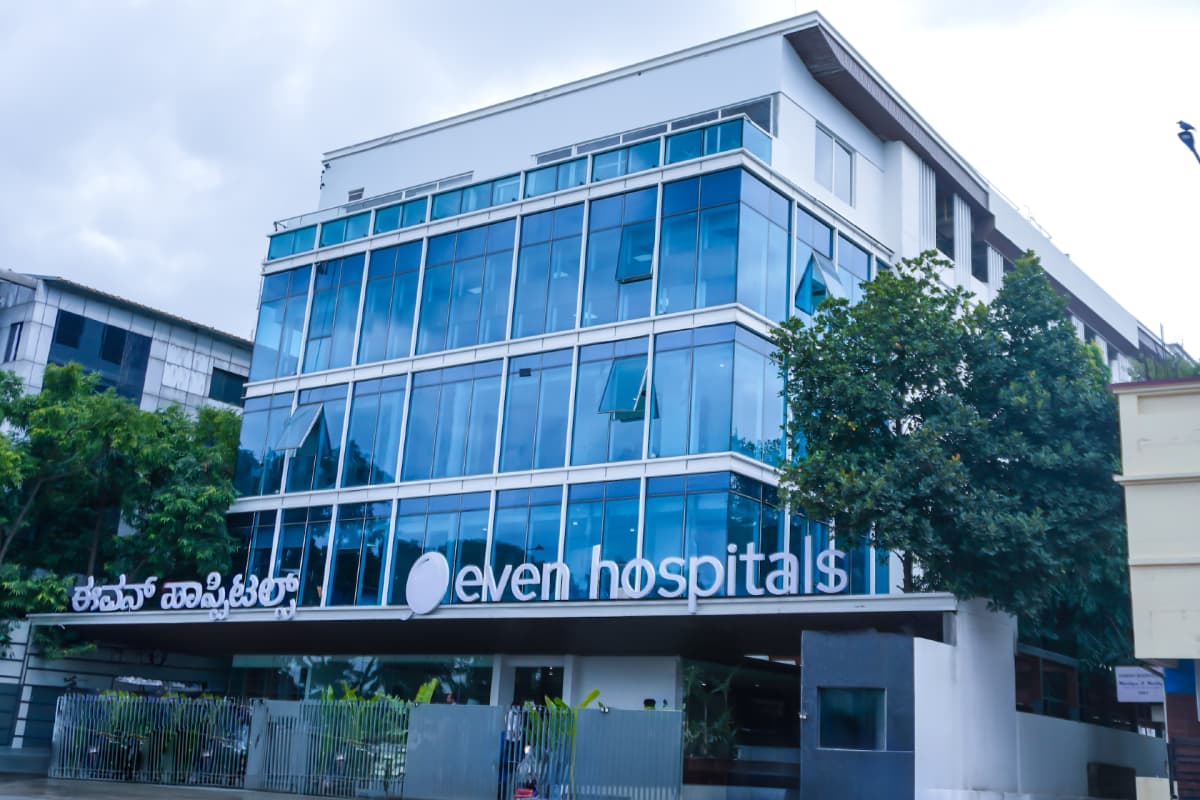
Even aims to change the economics of Indian hospitals, where revenue typically grows with the number of additional tests, procedures, and days of hospitalization. The startup initially worked through partner hospitals, but, according to co-founder Mayank Banerjee, discovered cases of unnecessary examinations and surgery recommendations, after which it decided to build its own clinics. Even has opened two hospitals in Bangalore, both reaching operational profitability (excluding depreciation) within a year. Five more hospitals are planned to open in the city over the next six months using round funds. The company leases buildings under 20-year agreements and invests in facilities and medical equipment.
Pay and incentives
Even's doctors receive fixed salaries not tied to the number of tests and surgeries, but may receive bonuses based on clinical outcomes reported by patients. Management compensation is also not linked to the number of procedures; marketing is focused on attracting patients rather than revenue from them. All employees, including doctors, receive company equity.
Metrics and revenue
The main revenue comes from patients; the company also works with insurers and is discussing a reward model for prevented hospitalizations. Even tracks patient recovery using medical scales (for example, the Oxford Knee Score for knee replacement) and publishes results on its website. According to the company, the rate of unplanned readmissions is below 1% versus an industry benchmark of 8–15%, patients spend 40% less time in the hospital, and savings for insurers have exceeded ₹500 million (about $5.27 million).
Financial position and layoffs
The startup remains unprofitable: in fiscal 2025 the net loss was ₹902 million (about $9.50 million), a quarter more than the previous year, with revenue of ₹272 million (about $2.86 million), according to regulatory filings. According to Entrackr, in August Even laid off about 350 employees; Banerjee confirmed the restructuring, calling it a difficult decision, and said that laid-off employees were paid severance, had their health insurance extended, and received accelerated stock vesting. The company currently has about 650 employees, including roughly 300 full-time doctors, over 250,000 members, and more than 750,000 patient interactions since launching in 2021.
Investor stance and plans
Khosla Ventures founder Vinod Khosla said that Even's approach combines financing, technology, and care delivery, rewarding better treatment outcomes rather than service volume: 'The clinical and economic results so far give us confidence that this could become an important new model of healthcare in India and beyond.' Fund partner Jai Sajnani cited the hospitals' early metrics as one of the key reasons for participating in the round. Banerjee said Even could reach profitability within a few months by halting expansion spending, but chooses growth; he declined to name a timeline for reaching profitability.