The key facts
- Kuwait (74), Bahrain (72), Oman and the UAE (70 each) led the region in the disaster resilience index, with the global average at 57.
- Lebanon (48), Iraq (49) and Palestine (52) are below the global average; in Lebanon, only 14% consider the government prepared for disasters.
- North Africa showed the largest regional increase in the index — up five points since 2023, aided by internet access and household preparedness.
The Gulf–Levant divide
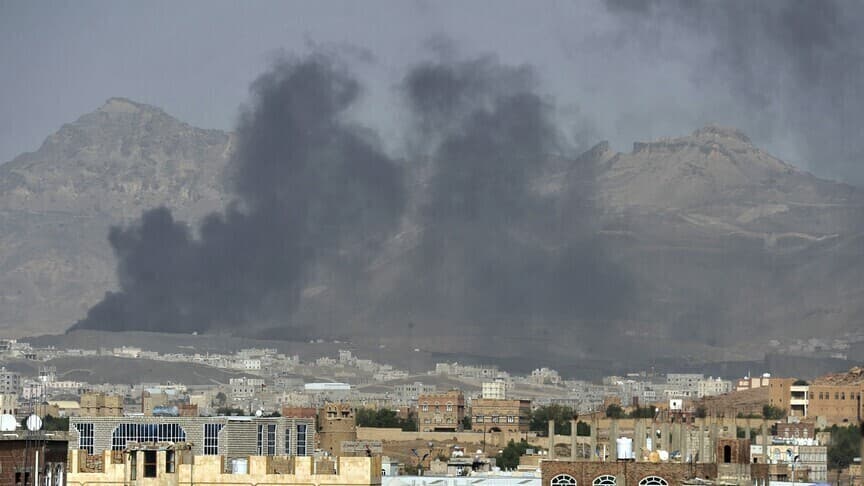
A fresh global risk survey published in October records a sharp divide in disaster resilience between the Persian Gulf countries and the Levant. According to Gallup, conducted for Lloyd's Register Foundation based on more than 143,000 interviews in 140 countries and territories in 2025, Kuwait took first place among the region's countries with a score of 74 points, followed by Bahrain (72), Oman and the UAE (70 each), with the global average at 57. Lebanon scored 48 points, Iraq 49, and Palestine 52 — noticeably below the global average level.
Trust in governments
Confidence in governments' disaster preparedness is especially high in the Gulf countries: in the UAE, 87% of respondents considered the government well prepared — the second-highest figure among the 133 countries included in the resilience index; in Bahrain, this share was 82%. In Lebanon, only 14% of those surveyed called the government prepared for disasters, and only 39% of disaster victims received advance warning — compared with 80% on average worldwide. According to the survey, 59% of Iraqis and 56% of Lebanese said their governments 'do not care about them at all,' against a global average of 29%.
Household vulnerability and risk perception
More than half of households in Iraq, Jordan and Palestine reported that if they lost income, they would be unable to cover basic needs for a month. Lebanon recorded some of the highest individual risk assessments: 71% of respondents fear that drinking water could seriously harm their health (fifth in the world), and 90% are concerned about violent crime (sixth in the world). At the same time, despite high temperatures, Oman, Saudi Arabia, Bahrain and the UAE were among the countries least concerned about heatwaves and drought. In Israel, the share of the population affected by a disaster during the period covered by the survey was less than 1%.
Growth in North Africa
North Africa showed the largest regional progress: the resilience index rose by five points since 2023 — the biggest increase among all regions in the study. The report's authors link the achievements of Algeria and Egypt to expanded internet access, improved household preparedness and greater financial capacity to weather crises.
The global picture
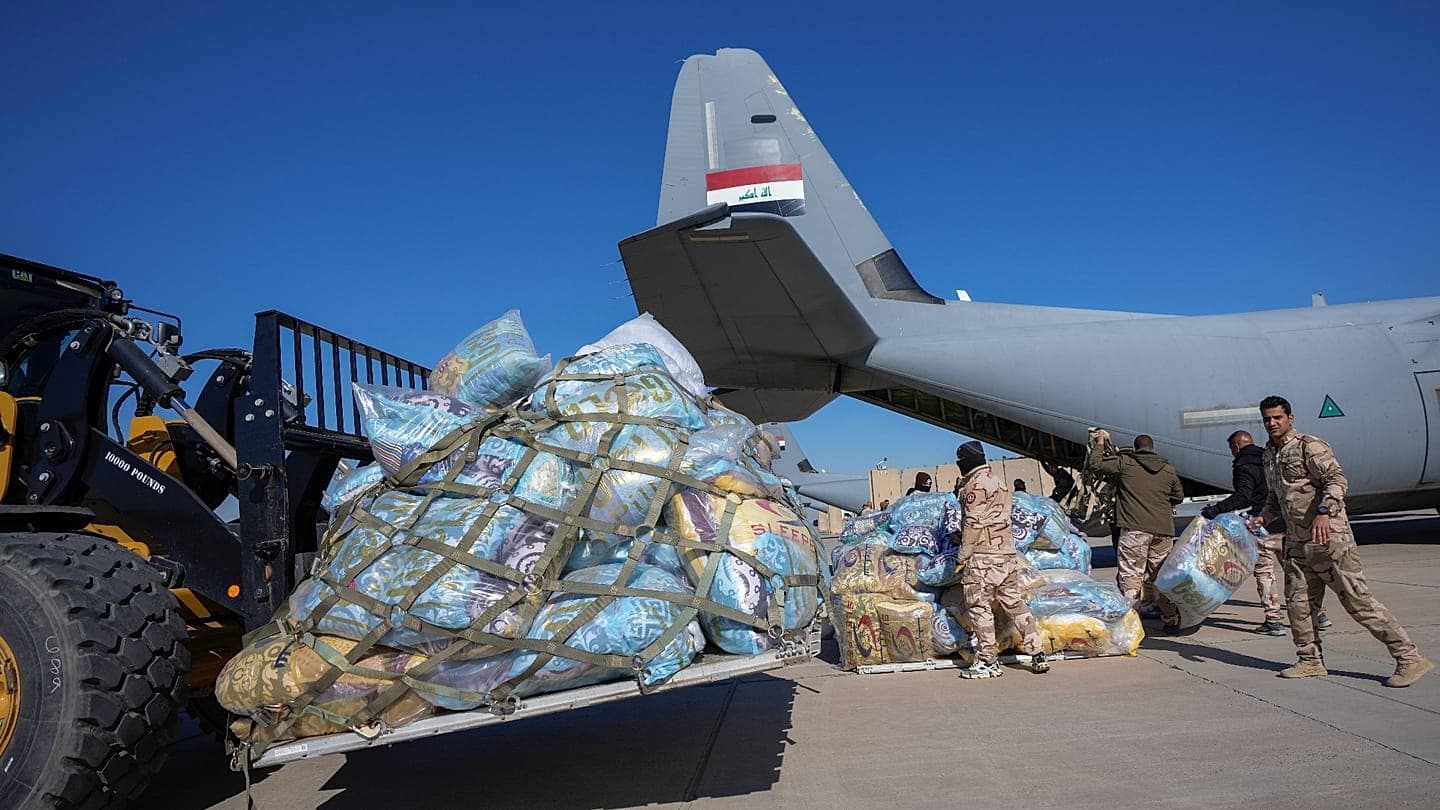
Worldwide, about 1.1 billion adults experienced a disaster in the five years before the survey, and almost 220 million received no advance warning. The gap between income groups is significant: roughly one third of adults in low-income countries were affected by disasters over the past five years, compared with 16% in high-income countries. 64% of those affected in poor countries received a warning versus 84% in rich ones; less than half of those warned in low- and lower-middle-income countries took precautions, versus 71% in wealthier states. The number of warning channels affects behaviour: 37% of those alerted through one channel took precautionary measures, 51% through two, and 64% through three (for example, SMS, television and social media). Of the roughly 220 million people who experienced a disaster without warning, 77% owned a mobile phone — more than 170 million people.