The key facts
- EU Ambassador Mathernova: since late August Kyiv is 'a real frontline city'; she called strikes on civilian objects war crimes.
- The EU provides about 75% of financial aid to Ukraine; four of six accession negotiation clusters have been opened, and the ambassador hopes the remaining two can be opened by the end of the year.
- Mathernova endorsed the assessment of strikes on Russian oil refineries as legitimate self-defence and believes technical preparation for accession is possible by the end of the decade, but the membership decision requires all EU countries.
Kyiv as a frontline city
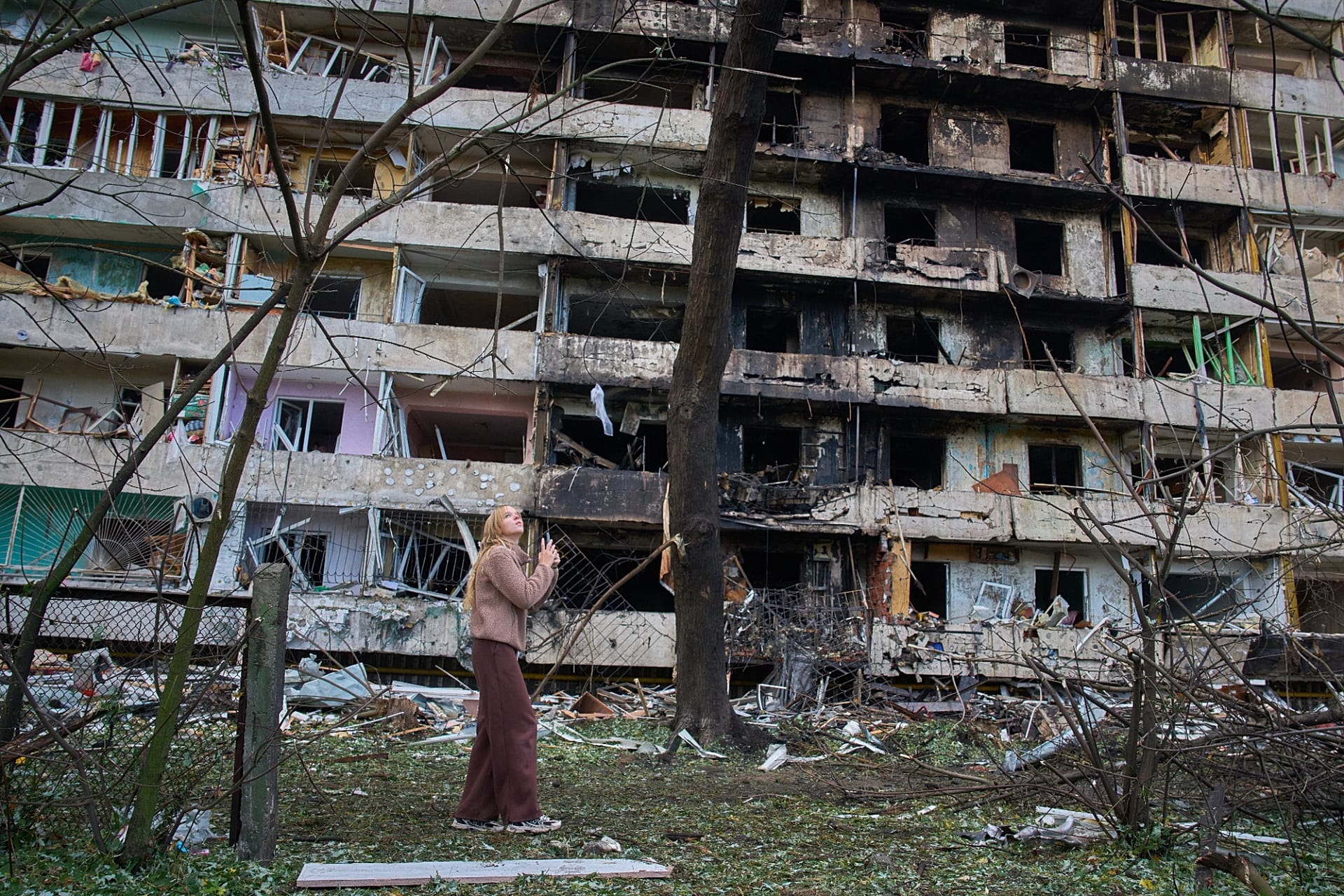
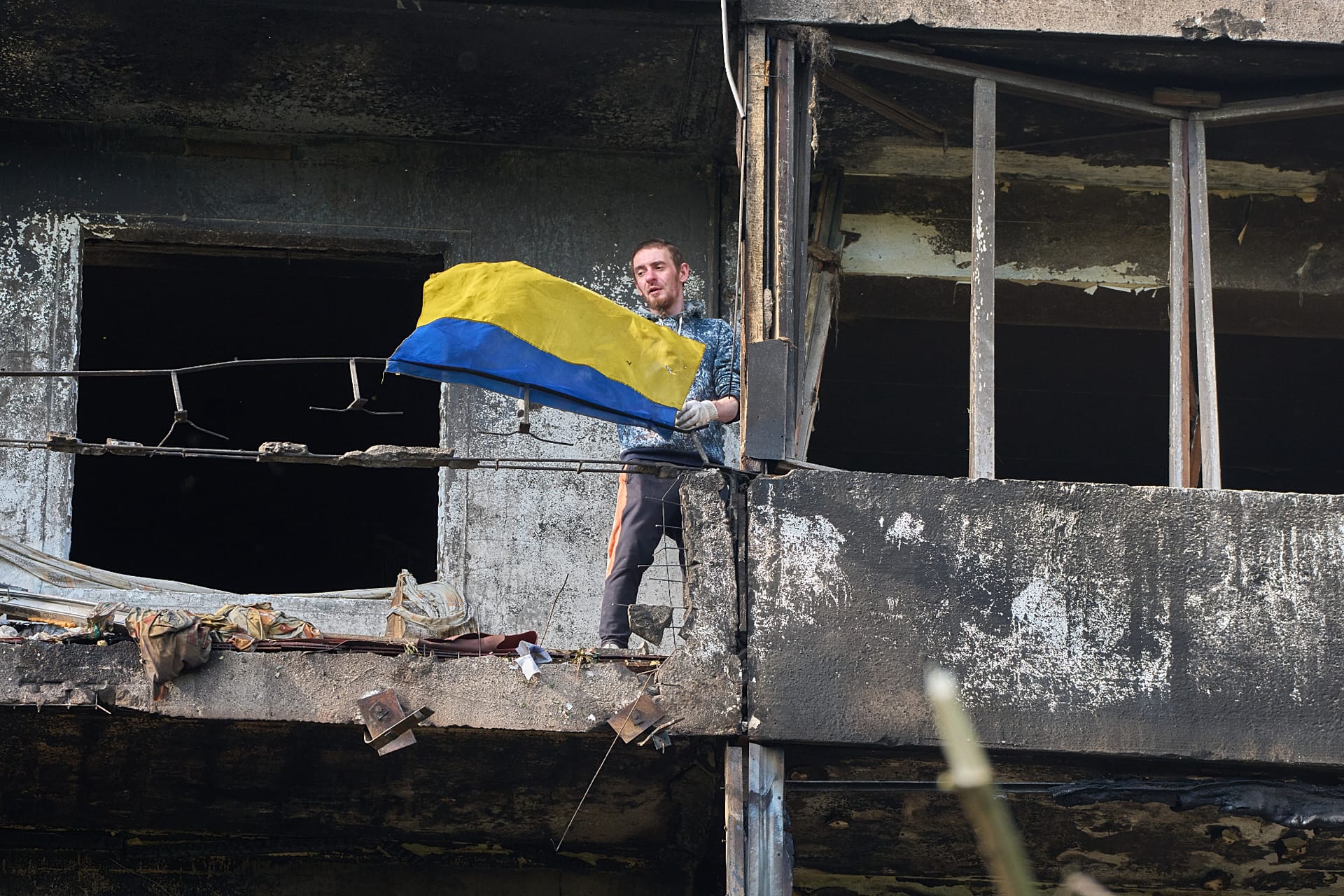
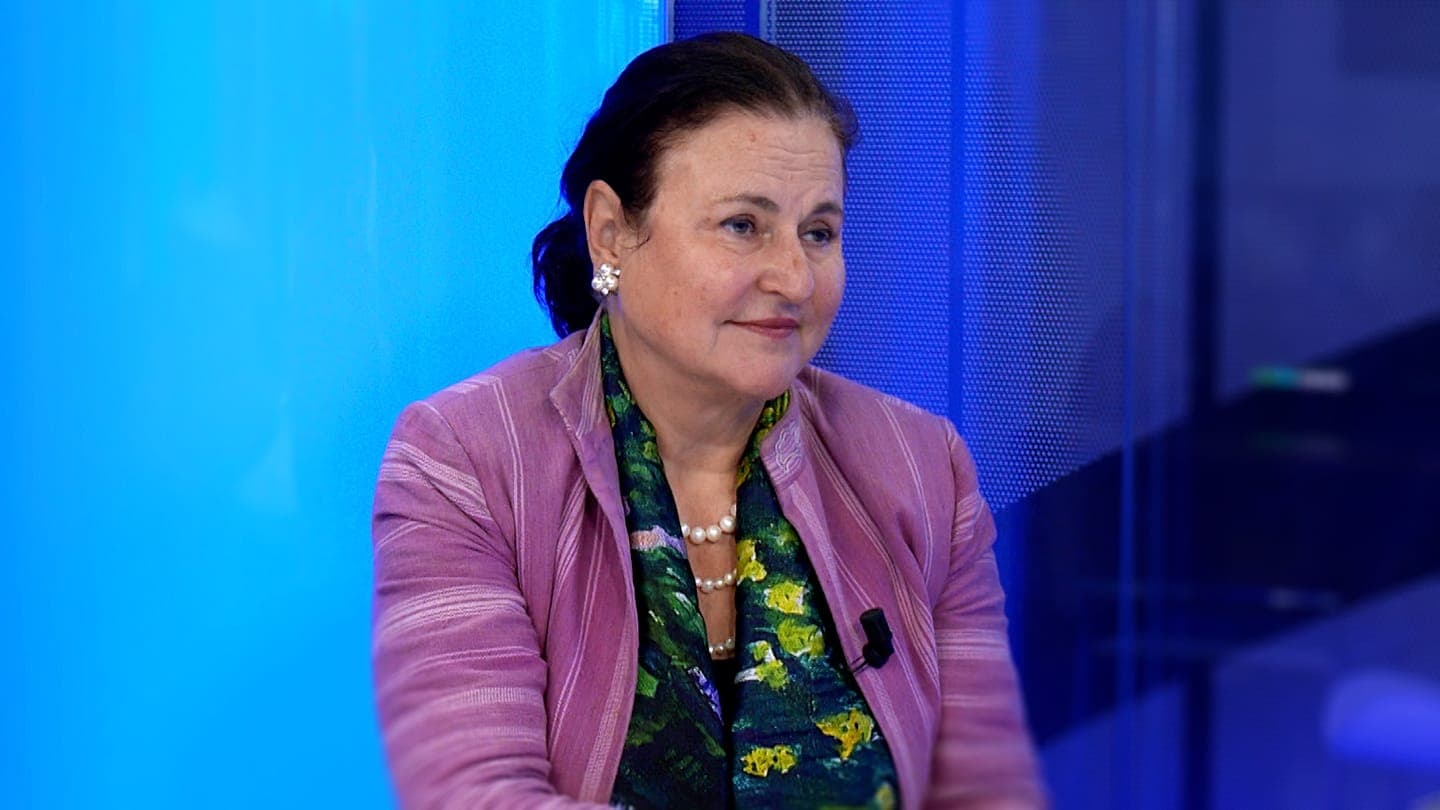
EU Ambassador to Ukraine Katarina Mathernova said in an interview with Euronews' Europe Today programme that Kyiv has become 'a real frontline city' amid Russia's intensified air campaign. She has lived in Ukraine since September 2023 and noted that the situation sharply deteriorated from late August, when Russia, alongside nightly shelling, began frequently striking during the daytime as well. Air raid sirens force children to interrupt lessons and go to shelters, doctors to suspend medical procedures, and the metro to stop running; strikes on bridges further complicate movement around the city. 'The situation is very, very, very hard, and winter has not yet arrived,' Mathernova warned.
Strikes on civilian objects
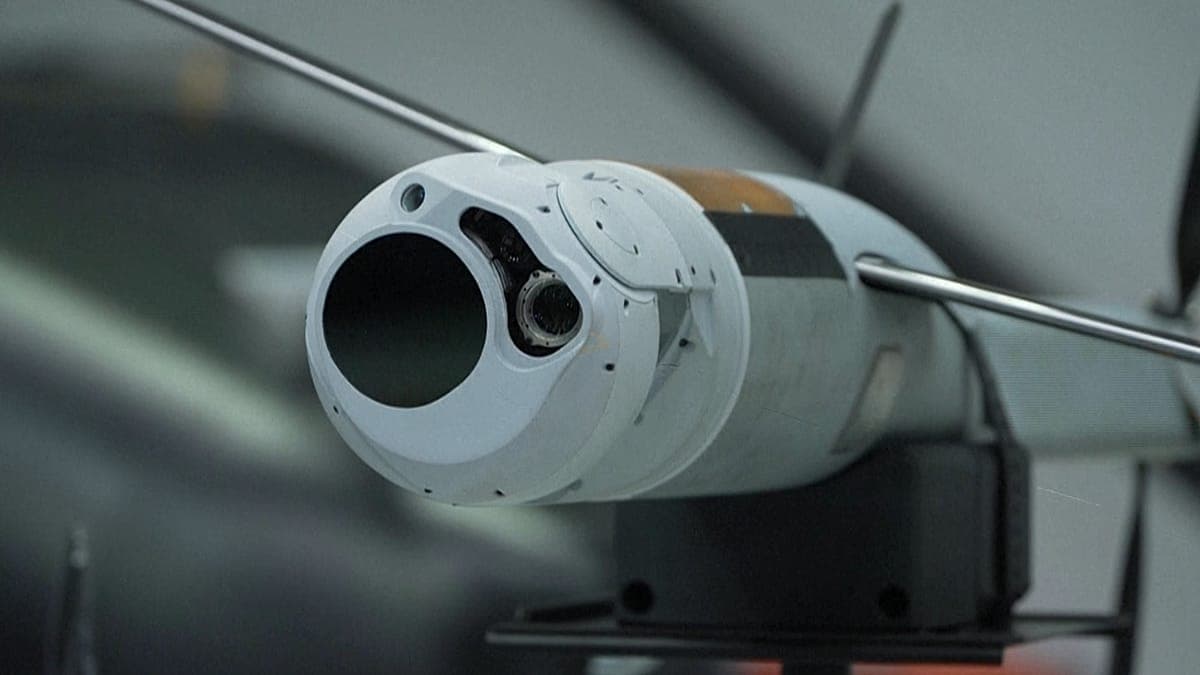
Mathernova recalled the September strikes on the National Academy of Sciences, a hospital near the EU delegation, and a kindergarten in central Kyiv, and accused Russia of regularly violating the laws of war. 'Let us remind ourselves: strikes on civilian objects are a war crime. This contradicts the laws of war,' she said, adding that 'war crimes happen every day.' According to her, Russia is increasingly using faster jet-powered drones, which creates additional difficulties for Ukrainian air defence.
European support
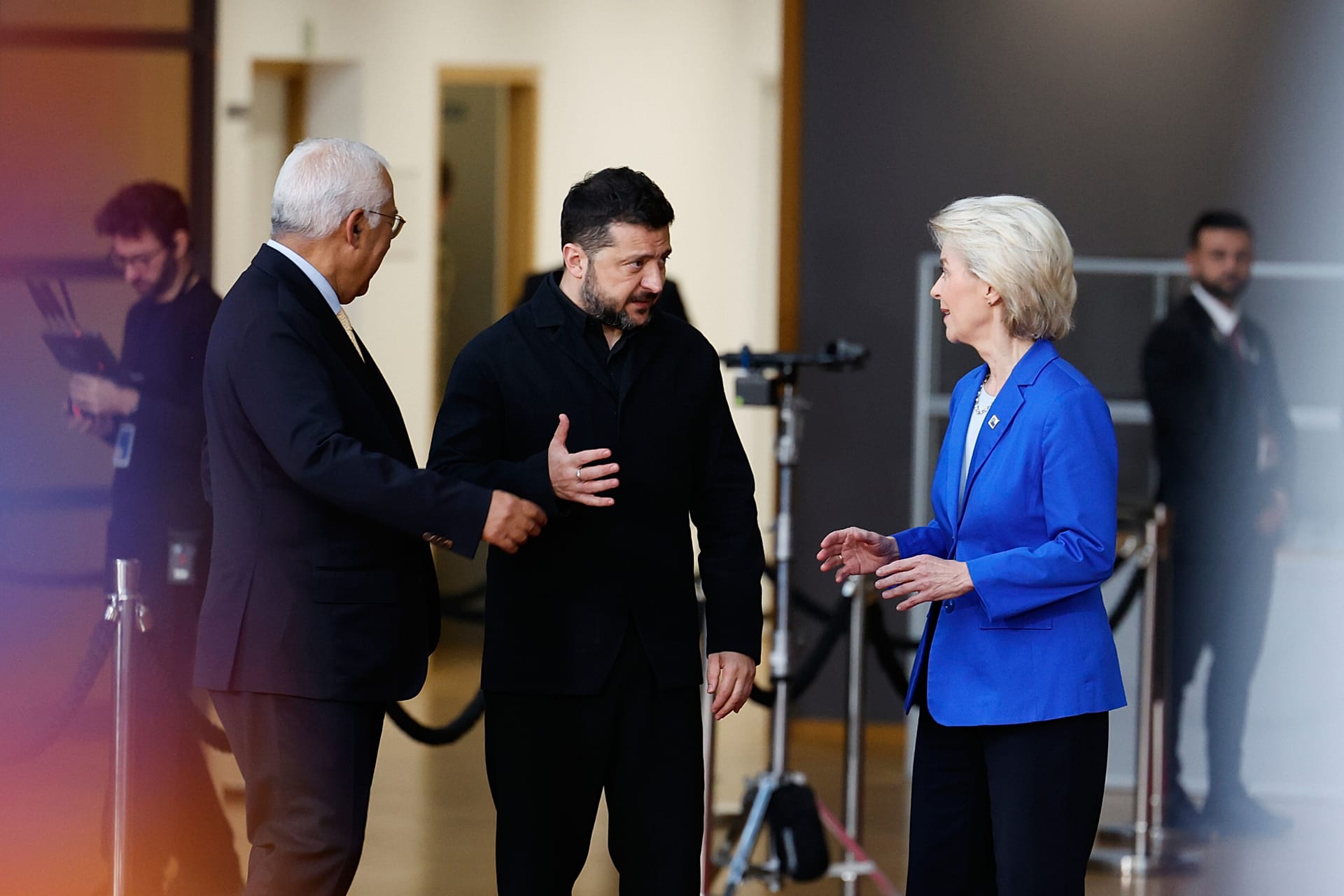
Amid growing tensions between Kyiv and Washington, Mathernova called Europe the most reliable source of military and financial assistance to Ukraine. According to her, the EU currently provides about three quarters of financial support; European leaders intend to maintain it and are calling on other partners to contribute more. She took part in meetings between Zelensky and European Commission President Ursula von der Leyen and European Council President António Costa, and sought to convey the urgency of Ukrainians' situation. Mathernova also stressed that the EU does not intend to weaken sanctions against Moscow while the war continues.
Strikes on oil refineries
When asked about European support for Ukrainian strikes on Russian oil refineries, Mathernova declined to comment on possible diplomatic consequences for relations with Washington. However, she endorsed the position of the EU's chief diplomat Kaja Kallas, who characterised such strikes as legitimate self-defence. 'It is precisely the oil and gas industry that finances the war on the Russian side,' the ambassador said.
EU accession talks
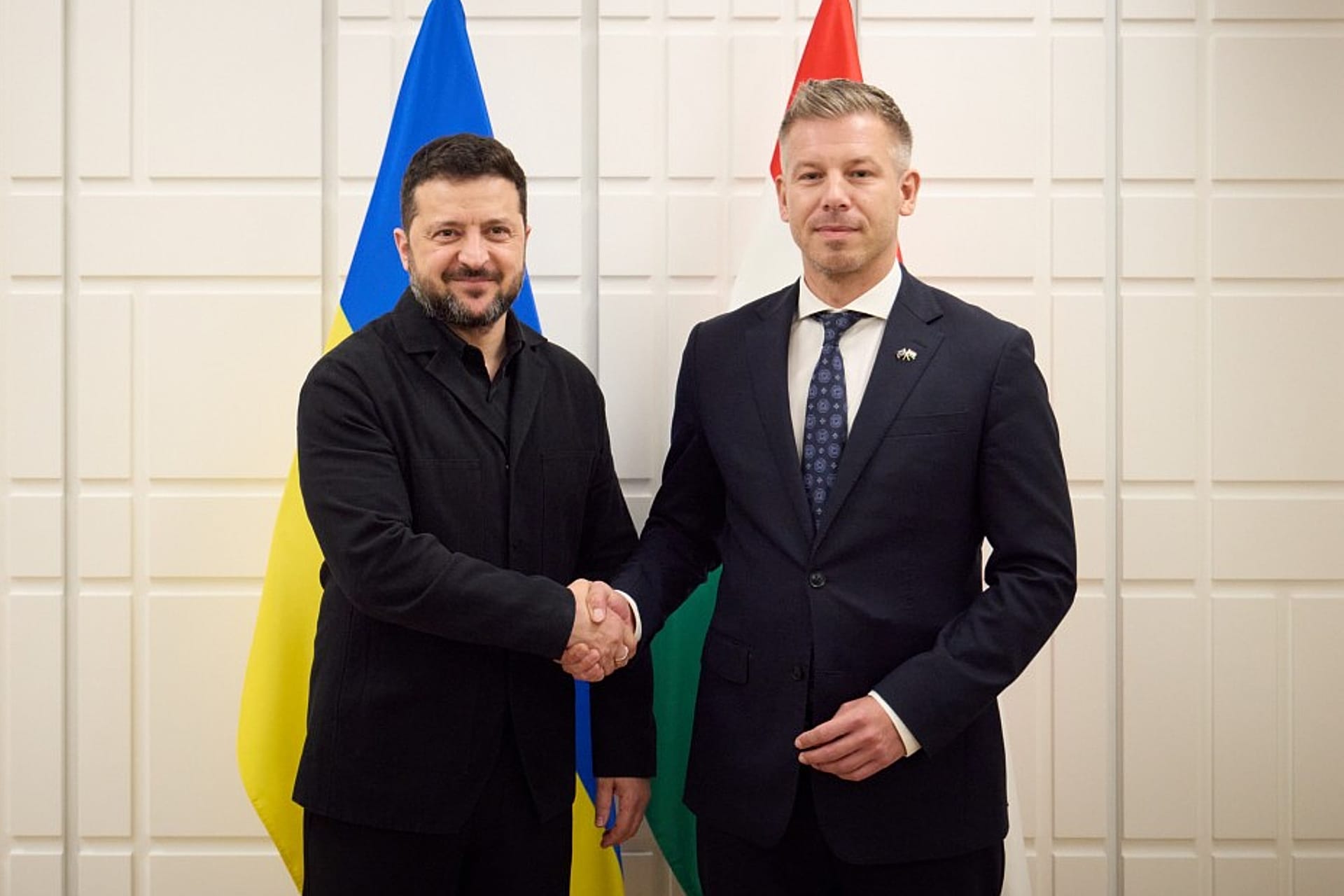
The meeting between Zelensky and Hungarian Prime Minister Péter Magyar in Brussels, according to Mathernova (she was not present and relied on public reports), went well and gives grounds for optimism after years of disagreements between Kyiv and Budapest. This week the EU opened two more negotiation clusters — on the internal market and competitiveness, and on inclusive growth; four of six have been opened in total. 'Only two clusters remain to be opened, and hopefully this will be done by the end of the year,' Mathernova said. A joint working group of EU Enlargement Commissioner Marta Kos and Ukrainian Prime Minister Denys (in the source text — Serhiy) Koretsky will meet twice a week in the coming months to help Kyiv accelerate reforms, especially in the rule of law and anti-corruption spheres.
Timelines and objections
Mathernova believes that the political will for EU accession already exists, and the task is to turn it into concrete reforms. 'I still think that all the technical work and preparation can be completed by the end of the decade,' she said, clarifying that this does not necessarily mean membership by 2030: Ukraine's accession will require the consent of all member states. She tried to dispel concerns about the economic consequences of enlargement, recalling that similar fears accompanied the accession of Spain and Portugal (winegrowers' worries) and the 2004 eastern enlargement (concerns about competition from farmers and workers). Issues related to Ukraine's large agricultural sector can be resolved through negotiations, transition periods and compromises. Political obstacles may prove harder: Mathernova cited North Macedonia's long path, where bilateral disputes slowed enlargement, but expressed confidence that diplomacy can resolve disagreements. 'I am deeply, deeply, deeply convinced that the European Union will be stronger, more significant in the world, more competitive with Ukraine in its ranks,' she concluded.