The key facts
- The new rules take effect on November 18, 2026
- UAVs with a range of 300 km or more, autonomous autopilots, engines and related technologies will be licensed
- Exports of tunnel boring machines and special excavators to countries with territorial disputes with China will require licenses
New drone export rules
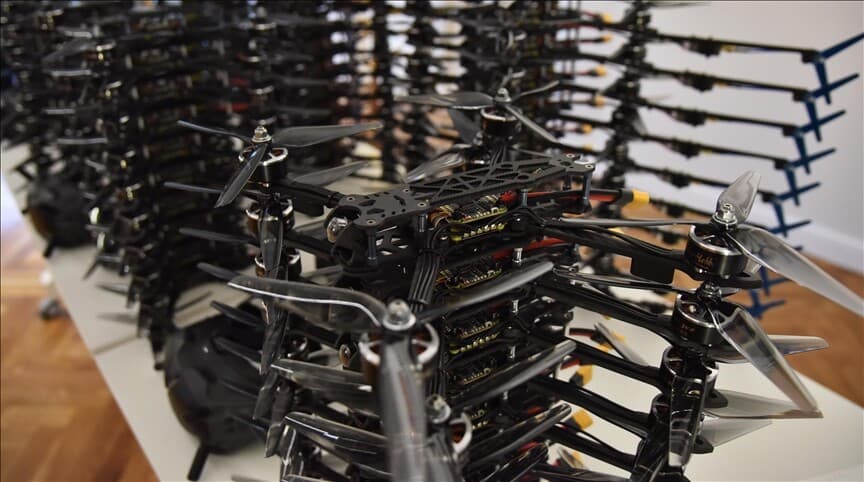
China on Monday announced a revision of export controls on drones and key components. Two declarations by the Ministry of Commerce, citing national security and interests, set the measures to take effect on November 18. The drone rules were issued jointly with customs authorities and the Armament Development Office under the Central Military Commission and require an export permit for items meeting specified technical criteria.
Which drones and components are affected
Controls cover UAV-specific autopilots, certain engines, as well as drones and unmanned airships capable of controlled flight beyond the operator's direct line of sight with a flight duration of at least three hours. Controls also extend to some aircraft with shorter flight duration, UAVs with a range of at least 300 kilometers (186 miles), communications equipment, motors, propellers, software and related technologies. Simplified procedures are provided for certain shipments, including qualifying exhibition export consignments, and companies with established internal compliance systems may qualify for general licenses.
Restrictions on construction equipment
The second announcement concerns tunnel boring machines (including shield and mine tunneling complexes, cutting tools, boring heads and main drive systems), certain walking excavators and high-altitude wet shotcrete machines for sprayed concrete, as well as a number of components and technologies. Walking excavators fall under the rules when exceeding specified thresholds for obstacle or trench crossing, fording or slope climbing. The provisions on shotcrete machines apply to equipment designed to operate above 3,000 meters (9,843 feet) and meeting a set of technical criteria, as well as certain components and hydraulic and pumping technologies.
Restrictions on 'sensitive' destinations
Exports of equipment to sensitive countries and regions in disputes with China will require licenses, while supplies to other destinations will proceed under a registration-based export certification procedure. Exporters and end users undertake not to transfer covered goods of Chinese origin to countries and regions in disputes with China without permission; foreign organizations and individuals are also prohibited from making unauthorized transfers to sensitive destinations. China's dual-use goods list will be updated when the measures take effect.